

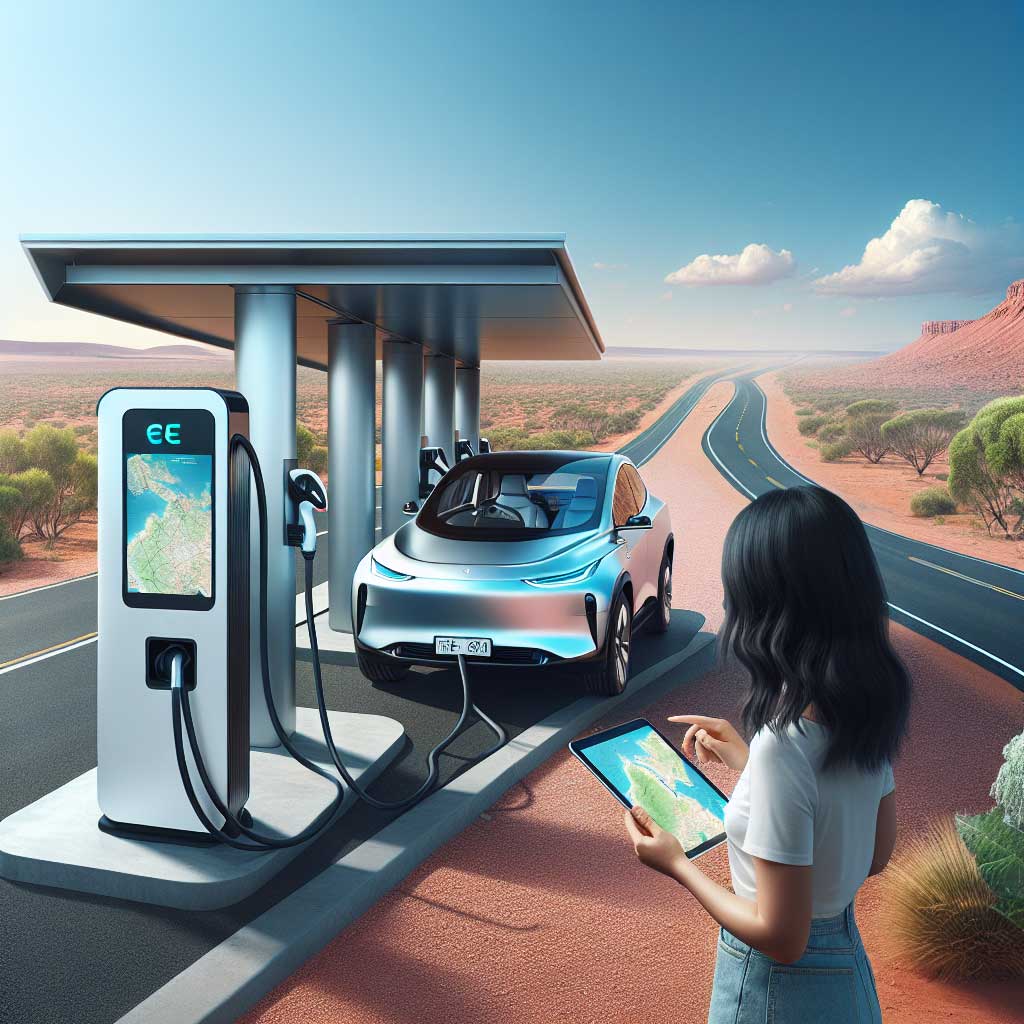
Finding and using EV chargers in Australia has never been easier, as a growing network of public and private providers, improved mapping tools and government initiatives expand access. For Australian drivers, understanding where chargers are, how to use them and which networks suit your needs is essential for confident daily driving and longer trips. Below is a practical, up-to-date guide to locating EV charging infrastructure, with tips for trip planning, payment and etiquette.
How to find EV charging stations across Australia
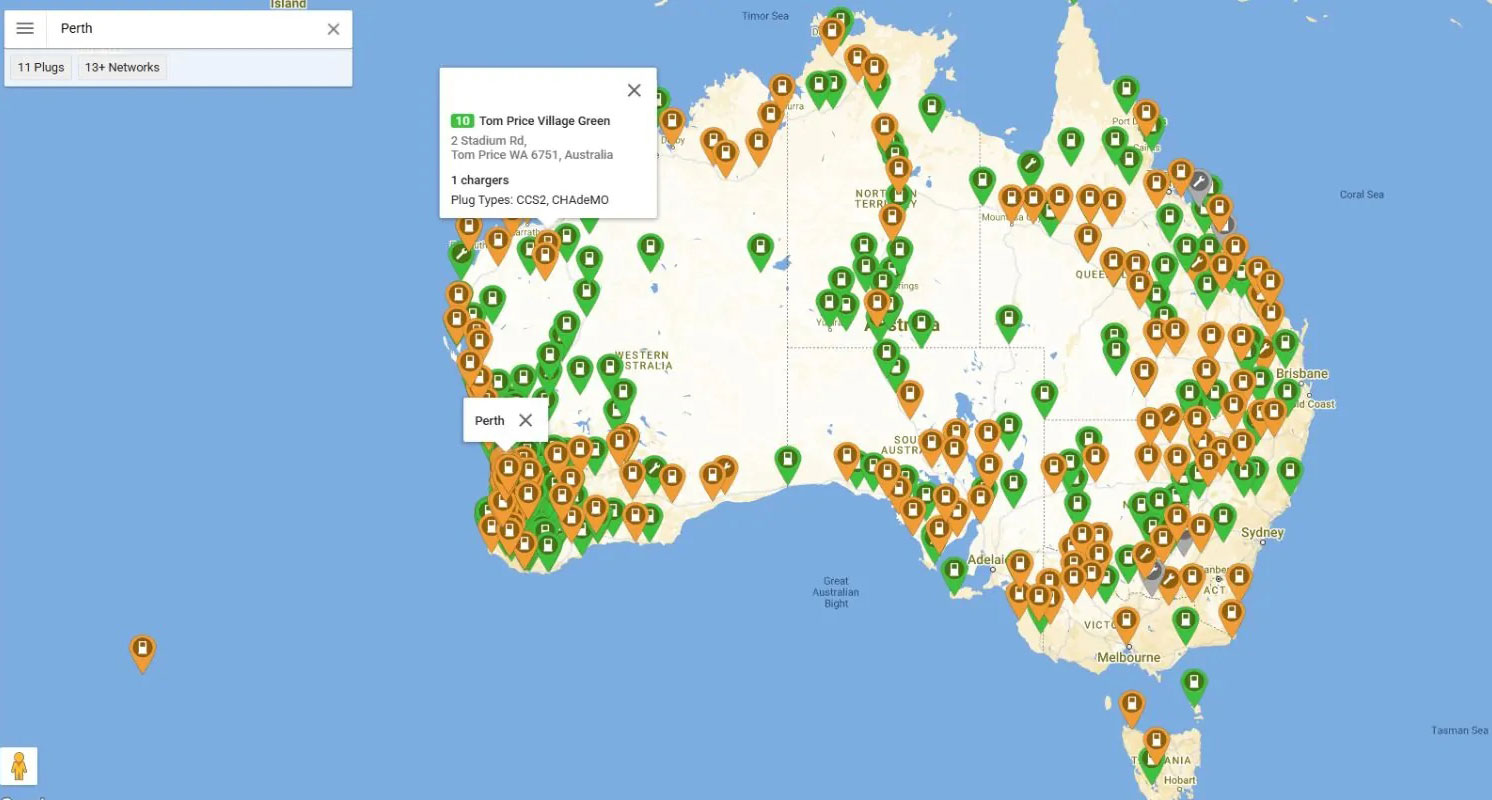
- Charging maps and trip planners: PlugShare remains one of the most widely used crowd-sourced maps, listing charger locations, connector types, user comments and real-time availability flags. Google Maps and Apple Maps increasingly show charger locations and availability. A Better Routeplanner (ABRP) is invaluable for planning long-distance trips because it models vehicle consumption and charging stops.
- Government portals and state apps: Service NSW provides a helpful map and information for New South Wales. Other state and territory transport sites also publish EV charging directories and resources for local users.
- Network-specific apps and websites: Major charging networks operate their own apps-Chargefox, JOLT, NRMA, bp pulse and others-showing live status, pricing, and allowing session starts and payments. Using network apps can simplify authentication and provide better reliability for specific chargers.
- In-car navigation and OEM apps: Many new EVs integrate charger locations into their navigation systems, and vehicle manufacturers’ apps can offer live charger compatibility and reservation features.
- On-the-ground checks: User reviews on platforms like PlugShare and social media groups can flag out-of-service chargers or access restrictions (e.g., private car park permits).
| Adelaide EV Charging Stations |
| Brisbane EV Charging Stations |
| Melbourne EV charging Stations |
| Perth EV Charging Stations |
| Sydney EV Charging Stations |
Types of charging locations and what to expect
- Public urban sites: Shopping centres, supermarkets and council car parks commonly provide AC and sometimes DC chargers for shoppers. These are convenient for topping up during errands but may be slower than highway chargers.
- Workplaces and fleet depots: Employers increasingly install charging stations; some provide free or subsidised charging for staff. Workplace charging policies vary, so check with your employer.
- Highway rest stops and major routes: Rapid and ultra-rapid chargers are being deployed along highways to support intercity travel. These sites prioritise high-power DC charging to minimise dwell time.
- Destination charging: Hotels, resorts, visitor attractions and regional businesses often offer destination chargers-slower AC or mid-speed DC units intended for longer stays.
- Petrol stations and mixed-use forecourts: Traditional fuel retailers are retrofitting sites with fast chargers to serve passing traffic.
- Residential and apartment charging: Many modern apartments and housing developments now incorporate EV-ready wiring or shared resident chargers; private home charging (AC) remains the most common daily solution.
Major EV charging networks operating in Australia
Australia’s charging landscape is evolving fast. Key national and regional networks include:
- Chargefox: One of the country’s largest public networks, notable for its fast and ultra-rapid chargers on major corridors and feeder routes.
- Evie Networks: Strong presence across metropolitan and regional sites, focusing on both fast and destination charging.
- NRMA: Expanding its public charging footprint, with particular attention to highway locations and regional accessibility.
- Tesla Supercharger and Destination networks: Tesla operates Superchargers (some stations have been opened to non-Tesla EVs where compatible) and destination chargers in many locations.
- JOLT: A growing player with a consumer-focused app experience and an emphasis on accessible urban charging.
- bp pulse: BP’s branded network, expanding fast-charging options at retail and roadside sites.
- AmpCharge and other regional providers: A mix of smaller and emerging operators fills local gaps and often partners with businesses to deliver chargers.
Recent trends shaping Australian charging infrastructure (2023-mid‑2024)
- Growth of ultra-rapid charging: Networks are rolling out higher-power DC chargers (150 kW and above) to reduce wait times on busy corridors.
- Increased interoperability and roaming: Charging networks and third-party apps are improving cross-network access and payment options, so drivers can more easily use multiple providers without multiple subscriptions.
- Renewable energy and storage integration: Many new sites incorporate solar and battery storage to stabilise grid demand, lower operating costs and reduce carbon intensity of charging.
- Smart charging and vehicle-grid integration pilots: Trials of managed charging, demand response and vehicle-to-grid (V2G) technology are underway to support grid stability and offer potential owner benefits.
- Government support for corridor charging: Federal and state initiatives continue to fund and prioritise highway charging rollouts to enable long-distance EV travel.
Practical considerations: connectors, speeds and payment
- Connector types: Most modern Australian public DC chargers use CCS (Combined Charging System). CHAdeMO remains at some legacy sites, and Tesla uses its proprietary connector on Superchargers (Tesla provides adapters for some vehicles; Tesla has also begun opening some Superchargers to non-Tesla vehicles in select locations). AC charging commonly uses Type 2 sockets.
- Charging speeds explained:
- AC charging: Typically slower, used at home or destinations (7-22 kW common).
- DC fast charging: 50-150 kW common in public fast-charging hubs.
- Ultra-rapid charging: 150 kW-350 kW+ for very fast top-ups on high-capacity corridors (vehicle dependent).
- Payment and access: Networks support a mix of app-based payments, RFID cards, and increasing contactless bank card and tap-to-pay options. Some sites still require network-specific accounts-check the app or signage before plugging in.
- Pricing: Tariffs vary by network, location and time. Expect different prices per kWh, per minute or a flat session fee. Idle fees are increasingly used to discourage vehicles occupying a charger after charging completes.
Tips for planning long-distance EV trips
- Use a trip planner (ABRP, Chargefox trip planner) to map stops tailored to your vehicle, driving speed, and conditions.
- Factor in weather, payload and terrain-all affect range.
- Book or reserve where possible (some destination chargers and networks support reservations).
- Allow for contingency: plan an alternate charger near each stop in case of faults or long queues.
- Consider charging speed compatibility: not all vehicles can accept ultra-high charging rates; know your vehicle’s peak charge power.
Charging etiquette and reliability
- Park considerately: Don’t block charging bays if you’re not actively charging.
- Move your vehicle promptly after charging completes to allow others to use the station.
- Report faults: Use the app or network contact details to report broken chargers-this helps the community.
- Check connector compatibility before plugging in, and respect signage about customer-only bays or maximum stay durations.
Home charging and incentives
- Home charging remains the most convenient and cost-effective option for most EV owners. A dedicated home wallbox (7-11 kW) provides predictable, overnight charging.
- Installer quality matters: use accredited electricians experienced with EVSE (electric vehicle supply equipment) installations.
- Rebates and incentives: Some states and territories offer incentives or rebates for EVs or home charging equipment, and local councils may have programs for multi-unit dwellings. Check your state government’s transport or energy pages for current offers.
What to watch for in the next 12-24 months
- Continued expansion of highway charger coverage and infill in regional centres.
- More networks adopting contactless payments and improving cross-network roaming.
- Rollout of higher-power charging that supports faster top-ups for compatible vehicles.
- Growth in V2G and managed charging programs as grid integration becomes a priority.
Conclusion
Australia’s EV charging landscape has matured considerably, offering drivers an expanding array of public and private options supported by reliable mapping tools and improving interoperability. While infrastructure gaps remain in some regional areas, the rollout of higher-power chargers, integration of renewable energy and ongoing network expansion are reducing barriers to EV ownership and long-distance travel. For drivers, the best approach is to use a combination of network apps, crowd-sourced maps and in-car planning tools; be mindful of connector compatibility, pricing models and charging etiquette; and plan trips with contingencies. As networks continue to evolve, EV ownership in Australia will become increasingly seamless and reliable.
FAQs
How do I quickly find a charger near me?
Use PlugShare or Google Maps for immediate nearby options and user feedback. For more detailed trip planning, A Better Routeplanner (ABRP) or the trip planners in Chargefox and other network apps provide route-optimised charging stops.
Which app should I install first?
Start with PlugShare for broad coverage and community reviews, then install the app for the network(s) you expect to use most (e.g., Chargefox, NRMA, JOLT). If you own a Tesla, also use the Tesla app for Supercharger and destination information.
Can non-Tesla cars use Tesla Superchargers in Australia?
Tesla has begun opening selected Supercharger stations to non-Tesla vehicles in some markets, including parts of Australia. Availability and payment options vary by site, so check the Tesla app or local signage for access details and compatibility.
What connector types should I be aware of?
Most modern public DC chargers in Australia use CCS; some older fast chargers use CHAdeMO. AC charging commonly uses Type 2 sockets. Check your vehicle’s inlet and carry any necessary adapters recommended by your manufacturer.
How much does public charging cost?
Costs vary widely by network, charger speed and location-some urban destination chargers are low cost or free, while highway ultra-rapid chargers tend to be pricier. Pricing models include per-kWh, per-minute and flat session fees. Always check the network app for current rates.
Are there incentives for home charger installation?
Some states, territories and local councils offer incentives or guidance for home charger installation; these programs change over time. Check your state government’s transport or energy portal for the latest information and accredited installer lists.
What should I do if a charger is broken or occupied?
Report faults through the network app or the contact number on the charger. If a charger is occupied, look for nearby alternatives in PlugShare or your navigation system and consider reporting extended occupation to the network.
About EV Evolution
EV Evolution is the leading online platform dedicated to Australian electric vehicle owners and enthusiasts. We foster a vibrant community, delivering essential EV news and insights, and enhancing user engagement through our innovative, AI-powered chatbot for dynamic discussions. Our mission is to empower Australian electric vehicle owners and enthusiasts by fostering a vibrant, AI-driven online community that connects, informs, and advances the nation’s electric vehicle landscape.