


Australia’s electric-vehicle market is moving from tentative early adoption to decisive growth. In early 2025, a new wave of models and brands will land on local shores – from retro-styled small hatchbacks to purpose-built SUVs – while sales figures in Q2 2025 have underscored rising consumer appetite. For motorists, fleets and industry observers, these developments mean broader choice, improved price accessibility and a faster transition from fossil-fuel cars to battery-electric alternatives.
What’s arriving in 2025: new models to watch
- Renault 5 EV: A compact, retro-inspired electric hatchback expected in the first half of 2025. It aims to compete in the small-car segment with city-friendly dimensions and a focus on affordability.
- Hyundai Inster: A compact electric SUV due in the first half of 2025, promoted for competitive range and practicality for everyday Australian use.
- Toyota’s dedicated electric SUV: Marking a strategic shift for Toyota, the company plans to introduce its first purpose-built electric SUV in Australia in the first half of 2025.
- BYD Seagull (Atto 1) and Atto 2 (Yuan Up): Confirmed for Australian introduction in November 2025, these compact models expand BYD’s local line-up beneath the Atto 3/Dolphin-sized offerings.
- BYD Dolphin Surf / Atto 3 expansion: BYD continues to broaden its catalogue with more compact and mid-size options, aiming to capture both urban and family buyers.
- Kia EV3: A smaller electric SUV joining Kia’s EV range in 2025, intended to appeal to buyers seeking a compact, value-oriented crossover.
- Nissan Ariya: A mid-sized electric SUV with a premium interior, scheduled for arrival in September 2025, strengthening the mid-sized EV category.
- Hyundai IONIQ 9: Hyundai’s new flagship luxury electric SUV, which arrived in Australia in August 2025, pushing the market upwards in terms of technology and luxury features.
New brands and market entrants
- Aion (GAC): The GAC sub-brand Aion is scheduled to enter Australia in 2025, bringing sleek, performance-minded models that will further diversify Chinese-brand offerings.
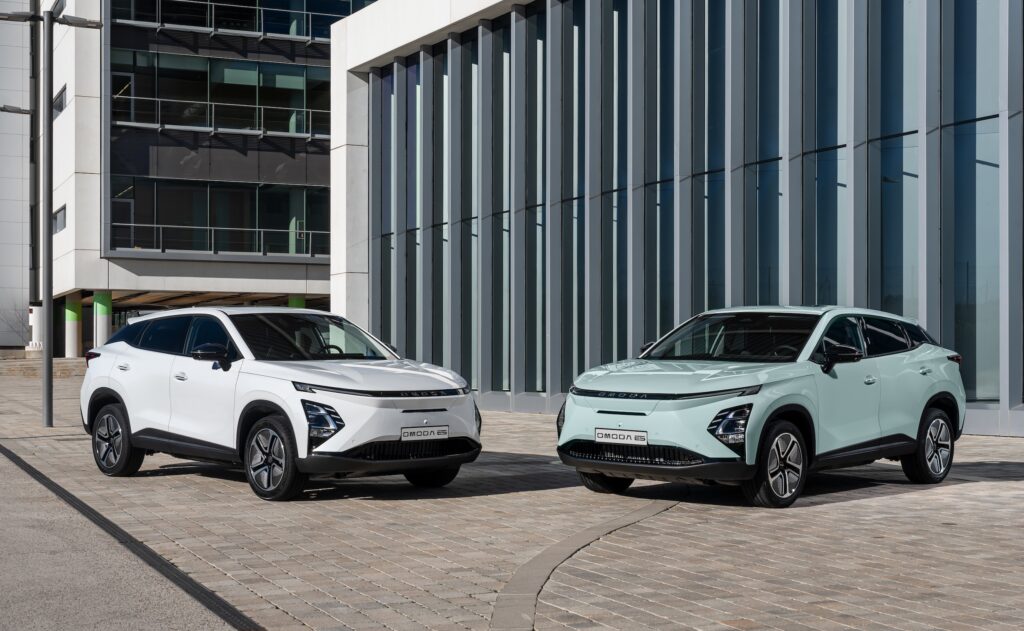
- Chery Omoda E5: Already on sale, the Omoda E5 exemplifies how Chinese OEMs are providing two-variant strategies to meet varying buyer preferences and price points.
Sales, market share and affordability trends
- Strong Q2 2025 performance: Australia recorded a milestone quarter with 29,244 battery-electric vehicles (BEVs) sold in Q2 2025, lifting pure-electric market share to 9.3% for the quarter.
- Broader electrification: Including plug-in hybrid electric vehicles (PHEVs), the combined electrified market captured 13.1% of new-car sales in Q2 2025, signalling a structurally higher baseline for EV uptake.
- Greater affordability: An increasing number of EVs priced under AU$40,000 are entering the market, narrowing the price gap with internal-combustion rivals and making EV ownership financially attainable for more Australians.
What this means for Australian drivers and fleets
- Choice and segmentation: With more city-friendly hatchbacks, compact SUVs and premium crossovers arriving, buyers have more options to match their needs – whether it’s urban commuting, family duties or executive driving.
- Total cost of ownership (TCO) considerations: As model choice expands and competition grows, purchase prices, residual values and running costs will be key differentiators. Prospective buyers should compare insurance, energy costs, maintenance and expected depreciation.
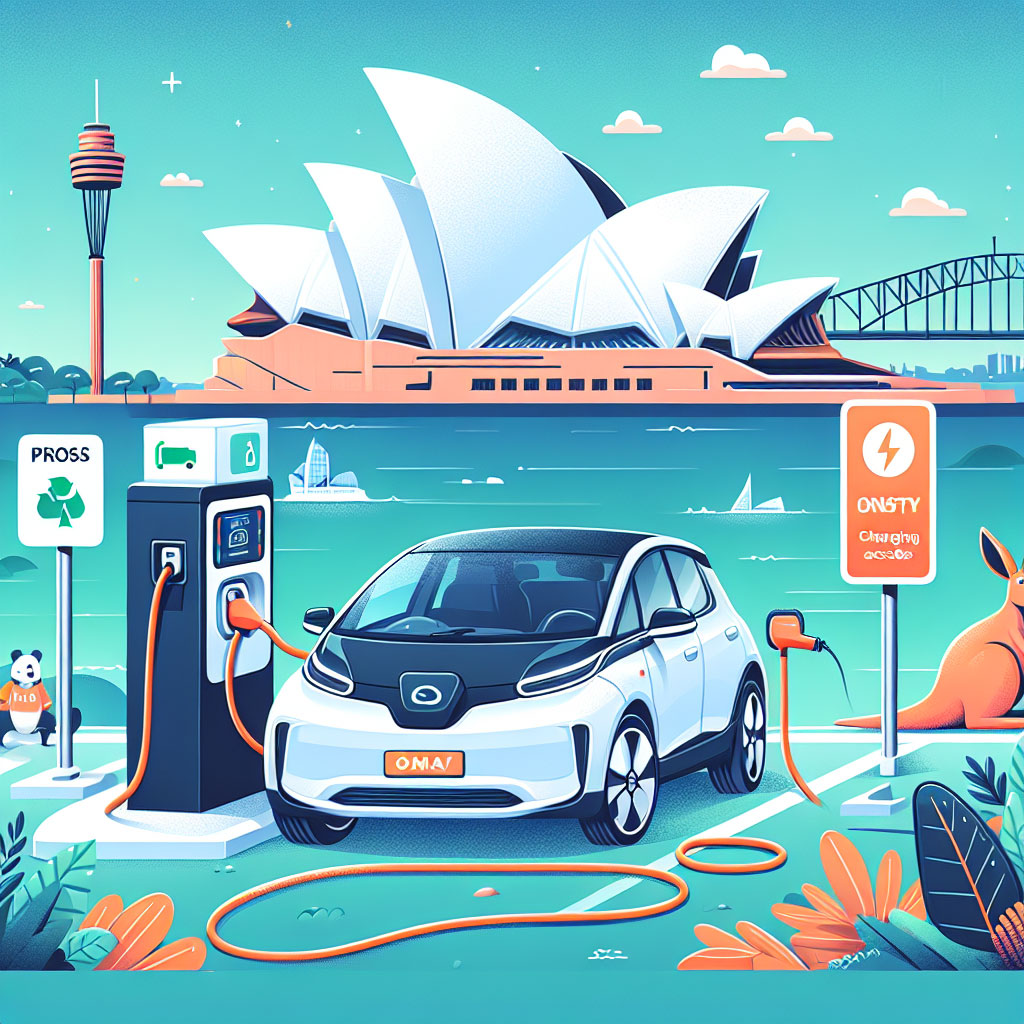
- Charging landscape: The commercial charging network continues to expand across metropolitan and regional corridors, driven by private operators, OEM initiatives and commercial partnerships. Expect improved access to fast chargers on major routes and denser slow/fast networks in cities.
- Second‑hand and fleet markets: More new EVs and greater overall penetration will boost the supply of used EVs in coming years, lowering entry costs for budget-conscious buyers and fleets replacing older petrol/diesel vehicles.
- Supply and waiting times: Launch windows in 2025 will be staggered; buyers should account for ordering lead times and local availability for high-demand models.
Practical advice for prospective buyers
- Prioritise usable range, not headline figures: Look closely at real-world range for your driving patterns, and consider worst-case scenarios (long trips, hot/cold conditions).
- Check charging compatibility and access: Confirm domestic charging arrangements and investigate fast‑charging availability along regular travel routes.
- Understand warranties and battery coverage: Manufacturer battery warranties vary; review terms on capacity retention and applicable conditions.
- Factor resale value and incentives: While federal incentives remain limited, state-level programs and fleet incentives can affect affordability – always check the latest local policies and stamp-duty/registration rules.
- Test-drive and interrogate software ecosystems: Infotainment, driver-assist features and over-the-air update policies differ between brands and can materially affect ownership experience.
Implications for policy and industry
- Infrastructure and grid readiness: Continued public- and private-sector investment will be necessary to ensure charging infrastructure keeps pace with EV uptake, particularly in regional Australia.
- Retail and aftersales models: Dealership networks are adapting to sales and service models for EVs, while specialist service providers and independent EV technicians are increasingly relevant for long-term ownership costs.
- Competition and pricing pressure: New entrants, especially from China and Korea, are likely to apply downward pressure on prices and accelerate feature adoption across segments.
Conclusion
The first half of 2025 and the remainder of the year look set to be pivotal for Australia’s EV transition. A wave of new models – from the Renault 5 and Hyundai Inster to Toyota’s first dedicated electric SUV, alongside BYD’s compact introductions and new entrants such as Aion – will broaden consumer choice and push competition. Record sales in Q2 2025 confirm there is growing demand, and an expanding charging network plus more affordable models are making EV ownership increasingly realistic for mainstream Australian motorists. For buyers and industry stakeholders, the next 12-24 months will be crucial: new launches, infrastructure development and evolving policy will determine how quickly Australia moves towards mass electrification.
FAQs
When will the Renault 5 EV and Hyundai Inster arrive in Australia?
Both the Renault 5 EV and Hyundai Inster are expected to launch in the first half of 2025. Exact local availability and ordering windows will depend on dealer allocations and official distributor announcements.
Are BYD’s Seagull (Atto 1) and Atto 2 arriving in Australia?
Yes. The BYD Seagull (Atto 1) and Atto 2 (Yuan Up) are confirmed for Australian launch in November 2025, expanding BYD’s compact EV range.
Will EV prices fall below AU$40,000 more often?
The market is shifting so that more EVs under AU$40,000 are becoming available. Increased competition, especially in the compact segments, should continue to push entry-level prices down or improve value at those price points.
How reliable is public charging in regional Australia?
Public charging reliability varies by operator and location. Major highways and urban centres are seeing faster rollout of high-power chargers, but regional gaps remain. Planning longer trips around confirmed charger locations is still recommended.
What should I look for in an EV warranty?
Key items are the length of the battery warranty, capacity retention guarantees, coverage inclusions for drivetrain and electrical systems, and any conditions that might void the warranty (such as unauthorised modifications).
Will new brands like Aion and Chery affect resale values?
New entrants increase supply and choice, which can compress prices and put downward pressure on resale values initially. However, strong reliability records, demonstrable dealer support and warranty provisions will influence residual values over time.
About EV Evolution
EV Evolution is the leading online platform dedicated to Australian electric vehicle owners and enthusiasts. We foster a vibrant community, delivering essential EV news and insights, and enhancing user engagement through our innovative, AI-powered chatbot for dynamic discussions. Our mission is to empower Australian electric vehicle owners and enthusiasts by fostering a vibrant, AI-driven online community that connects, informs, and advances the nation’s electric vehicle landscape.