


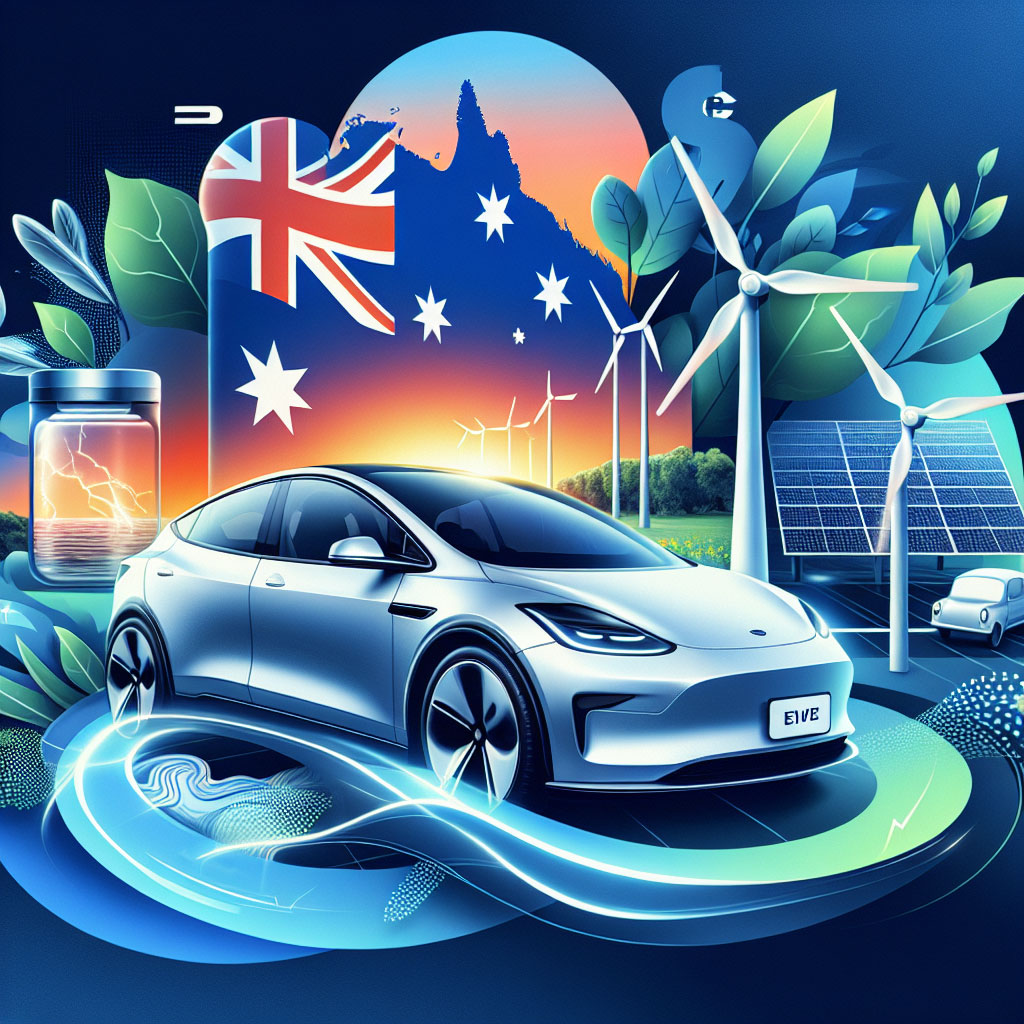
Australia’s EV market has shifted from early-adopter niche to mainstream battleground in 2025. A surge of new models – from low-cost Chinese offerings to headline-grabbing European luxury launches – has broadened choice across SUVs, sedans and the long-promised electric ute sector. For Australian buyers, fleet managers and policy makers, the result is greater competition, faster technology cycles and fresh questions about charging, resale values and total cost of ownership.
What arrived in 2025 (and what’s still to come)
Below I summarise the most consequential launches and near-term arrivals making headlines in Australia in 2025, grouped by manufacturer. Where timing is still forthcoming I flag expectations rather than definitive dates
BYD
- Sealion 7: Launched earlier in 2025 as a mid‑size electric SUV positioned to take on the Tesla Model Y and other family-focused crossovers. BYD’s strong value proposition and local dealer expansion have made it one of the more visible Chinese entrants.
- Atto 2 (formerly Atto 1): Reintroduced in refreshed form and slated for broader availability in late 2025 as a smaller, more affordable SUV aimed at mass-market buyers.
- Seagull: A budget-focused hatch showcased this year and expected to become an entry-level EV for cost-conscious urban drivers once dealer roll-outs complete.
- Shark 6: A plug-in hybrid ute variant aimed at buyers seeking utility plus improved fuel economy – priced aggressively to undercut some conventional rivals.
Kia
- EV3: A compact electric SUV released in early 2025, promoted for its practicality and relatively long advertised range (competitive for its class).
- EV5: Introduced in late 2024 and expanded in 2025 with additional range and equipment options.
- EV6 (facelift): The mid-life refresh landed with software and battery tweaks, new infotainment features and modest range improvements.
- EV9 GT: A high-performance variant of Kia’s seven-seat EV expected to reach Australian showrooms in late 2025, aimed at premium‑segment buyers.
Tesla
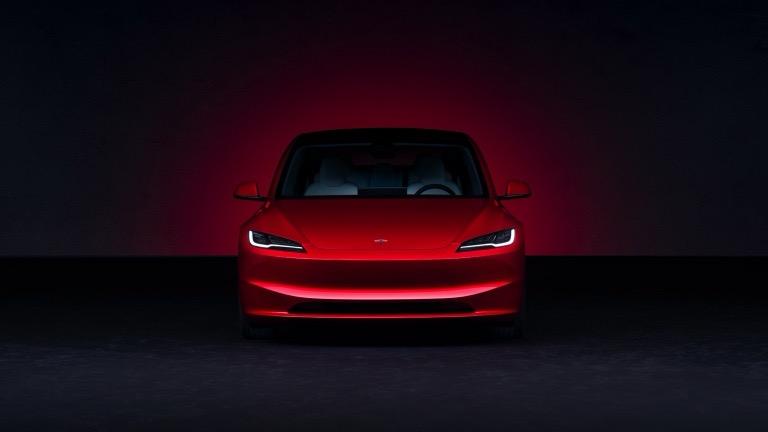
- Model Y (updated): Tesla rolled out refreshed Model Y variants through early to mid‑2025, combining interior upgrades and incremental range and performance changes.
- Model 3 (further updates): Ongoing over-the-air and hardware refinements continued to keep the Model 3 competitive in price and capability.
Volkswagen
- ID.4 / ID.5: The ID.4 and coupe‑styled ID.5 finally established a stronger presence in Australia in 2025, filling a mid‑size SUV slot for buyers seeking familiar European packaging.
- ID. Buzz Cargo: The electric van variant of the retro‑styled ID. Buzz broadened options for urban businesses and last‑mile logistics.
Hyundai
- Inster: Released in the first half of 2025, this is Hyundai’s entry-level small electric SUV aimed at city buyers looking for an affordable EV with sensible range.
- Ioniq 9: Unveiled for a late‑2025 launch window, Hyundai’s large seven-seat Ioniq 9 will target families wanting long-range touring capability in an EV SUV.
MG (SAIC-backed)
- ES5: The successor to the ZS EV reached Australian showrooms in 2025 with a starting price pitched below $45,000 – a clear strategic play to capture value‑oriented buyers.
- IM sub‑brand: MG/SAIC launched its premium IM line in Australia late 2025, debuting the IM5 sedan and IM6 SUV to chase buyers after a more up‑market alternative.
- Cyberster: The electric sports car entered limited release, aimed at buyers looking for headline-grabbing design and performance.
Other notable entrants and launches
- Geely EX5: Geely’s mid‑size SUV represents the next wave of Chinese manufacturers targeting Australian buyers.
- Xpeng G6: A Model Y rival that first arrived in Australia in late 2024 and continued to gain showroom attention in 2025.
- Volvo EX90: Volvo’s seven‑seat luxury EV continued to be marketed as a family flagship with emphasis on safety and premium tech.
- Audi Q6 e‑tron: Early‑2025 deliveries of this luxury SUV highlighted advances such as 800‑volt architecture for faster charging.
- Porsche Macan EV: Porsche’s all‑electric Macan reached Australian buyers in 2025, consolidating the brand’s EV push in premium sport‑SUV territory.
- Polestar 4: The coupe‑SUV offering has been available since early 2025 and sits as Polestar’s mainstream performance crossover.
- Renault 5 E‑Tech: A retro-inspired city hatch earmarked for late‑2025 release, intended to appeal to urban buyers nostalgic for the small, affordable hatch segment.
- Cadillac Lyriq: The US luxury brand’s Lyriq entered Australia in early 2025, expanding GM’s EV footprint in the local luxury market.
- GAC Aion V: Late‑2025 rollouts from another mainland Chinese brand, further bolstering low‑cost EV choice.
- LDV eTerron 9: A new electric ute intended to replace the outgoing eT60 and help address the traditionally under‑served Australian pickup (ute) segment.
Market context and trends shaping 2025
- Choice across price points
For the first time many buyers can consider EVs across a near-continuous price spectrum – from sub‑$45k city cars and compact SUVs to seven‑seat luxury machines. That breadth is reshaping purchase calculus and encouraging mainstream uptake beyond early adopters. - The Chinese incumbents are no longer fringe
BYD, Geely, GAC, Xpeng and other Chinese manufacturers have pushed into Australia with competitive pricing, established dealer networks and rapid rollouts. Their presence has accelerated competition and influenced pricing among legacy brands. - Utes and utility vehicles are arriving
Electric utes – long discussed as crucial for Australian drivers and fleets – are finally making tangible progress. Several Chinese OEMs and established brands are introducing purpose‑built utes and work‑oriented vans, which will be important for regional and trade buyers. - Charging is improving but patchy
Public fast-charging networks have expanded significantly in 2025, with more high‑power chargers on major freight and tourist routes. However, metropolitan charging density still varies between states and outer suburbs, and home charging remains the most convenient option for most owner‑drivers. - Software and value add as differentiators
Over‑the‑air updates, driver assistance suites and integrated energy services (vehicle-to-home and grid services in pilot programs) are emerging as key differentiators for buyers who already view EV hardware as broadly comparable. - Fleet electrification is accelerating
Corporate and government fleets have become a bigger part of EV registrations in 2025. Total cost of ownership (TCO) and operational reliability are proving decisive for fleet managers switching to battery electric vehicles.
What to watch for late 2025 and into 2026
- Pricing volatility: As more models reach showrooms, expect continued depreciation pressure on early EVs and aggressive introductory pricing from some newcomers.
- Charging interoperability and roaming: Continued improvements in roaming agreements and consolidated payment systems will make long‑distance EV travel easier.
- State policy patchwork: Incentives, registration fees and stamp duty concessions remain inconsistent between states and territories; prospective buyers should check local rules.
- Second‑hand EV market: With earlier EV cohorts reaching typical turnover age, a larger used‑EV market will start to emerge with strong value propositions for budget buyers.
Buying advice for Australian drivers
- Total cost of ownership matters: Compare expected running costs, warranty coverage (battery warranties are especially important), servicing and insurance, not just headline purchase price.
- Home charging is the baseline: If you have access to off‑street parking, invest in a quality home charger to maximise convenience and cost savings.
- Consider resale and support: Check dealer networks, warranty transferability and local parts support – especially for newer entrants.
- Think long term about range and charging: If you regularly tow or travel long distances, prioritise higher-capacity batteries and access to fast chargers along your routes.
Conclusion
2025 has been a pivotal year for Australia’s EV transition. The market is maturing fast – both in depth of choice and the sophistication of technologies on offer. Buyers now face a better set of options than ever before, but also more complexity in comparing models, warranties and charging ecosystems. For policy makers and industry, the priority is to maintain momentum with clearer incentives, more equitable charging rollout and support for rural and fleet electrification. For consumers, careful research and a focus on total cost of ownership will pay dividends as the market continues to evolve.
FAQs
Which new electric cars are most relevant for Australian buyers in 2025?
The most relevant models vary by need: compact and value buyers should watch the BYD Seagull, MG ES5 and several small Hyundais; family SUV buyers will consider BYD Sealion 7, Volkswagen ID.4/ID.5, Kia EV5 and Volvo EX90 for larger households; luxury and performance buyers have Audi Q6 e‑tron, Porsche Macan EV and Polestar 4 among their options. Ute and light commercial buyers should monitor LDV, GAC and other Chinese models entering the market.
Are Chinese EV brands reliable and supported in Australia?
Many Chinese brands have invested heavily in dealer networks, parts supply and warranties to support Australian sales. Reliability varies by model and manufacturer, so check local warranty terms, service networks and independent reviews. Established aftersales coverage and clear parts channels are key indicators of local commitment.
How does charging infrastructure look in Australia now?
Charging infrastructure expanded significantly in 2025, with more fast chargers along major routes and increased urban coverage. Nevertheless, availability remains uneven across regions and states. Home charging is still the most convenient option for most owners, while long‑distance travel is improving as public networks densify.
Are there government incentives for EVs in Australia?
Incentives in Australia are primarily state and territory based and can include stamp duty concessions, rebates, or benefits for low‑emission vehicles. Federal incentives remain limited. Buyers should verify current state/territory policies and any incentives that apply to their circumstances before purchase.
What should fleet managers consider when switching to electric vehicles?
Fleet managers should evaluate total cost of ownership, charging infrastructure and depot energy capacity, warranty and service networks, vehicle payload/towing capability and potential downtime. Pilot programs and staggered rollouts can help smooth the transition while monitoring real‑world efficiency and maintenance data.
About EV Evolution
EV Evolution is the leading online platform dedicated to Australian electric vehicle owners and enthusiasts. We foster a vibrant community, delivering essential EV news and insights, and enhancing user engagement through our innovative, AI-powered chatbot for dynamic discussions. Our mission is to empower Australian electric vehicle owners and enthusiasts by fostering a vibrant, AI-driven online community that connects, informs, and advances the nation’s electric vehicle landscape.