

An EV Fits the Average Australian Commute and Lifestyle Better Than You Think.
The switch to an electric vehicle (EV) feels like a giant leap for many Australians. After a lifetime of driving Internal Combustion Engine (ICE) cars, the thought of new technology brings a wave of questions and, often, a healthy dose of anxiety. You’ve likely heard the common concerns repeated by talkback radio, at the BBQ, or online.
The truth is, many of these fears are based on outdated information or are simply myths that persist despite massive technological advances. Our goal in this first topic is to arm you with the facts to confidently debunk the three biggest myths and show you that an EV is perfectly suited to the Australian lifestyle.
Myth 1: The Fear of Being Stranded – Range Anxiety is Obsolete
The biggest question most prospective EV buyers in Australia have is, “Will I make it to the next town?” This fear, known as ‘range anxiety,’ is the single largest barrier to EV adoption, yet it is almost entirely disconnected from the reality of modern driving.
The Australian Driving Reality
Ask yourself: how far do you actually drive on an average day?
- The Fact: According to the Australian Bureau of Statistics, the average Australian passenger vehicle travels around 38 kilometres per day. For urban commuters, this figure is often even lower.
- The Myth: People overestimate their daily driving needs and assume they must be able to travel 500km every single day.
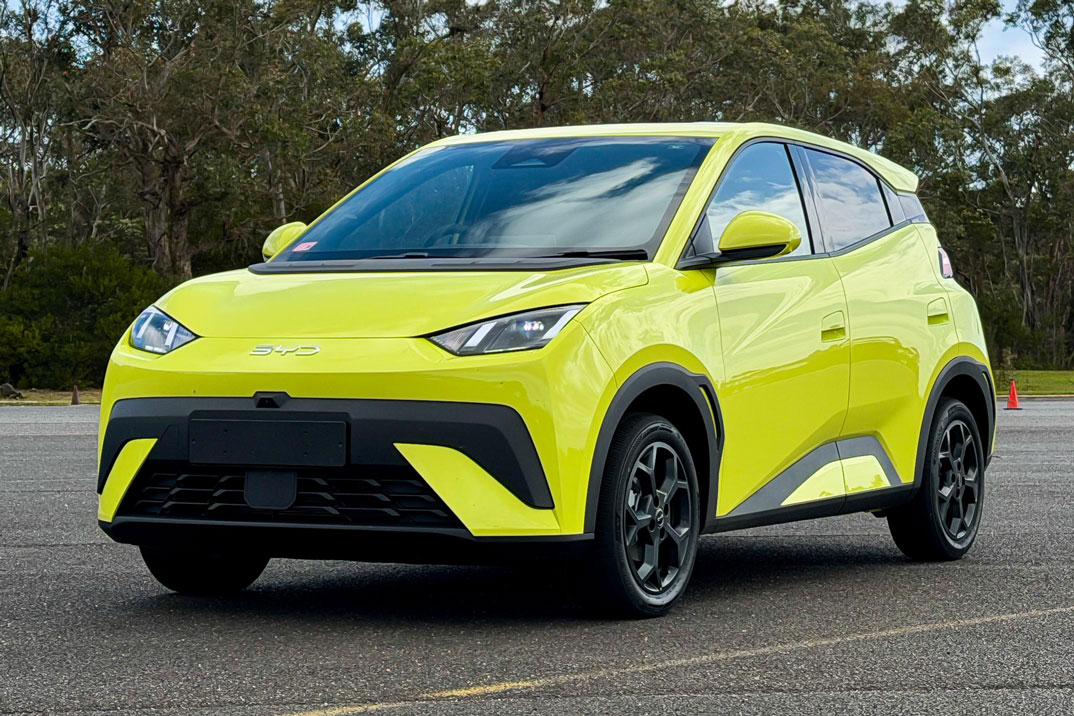
- The EV Reality: Most entry-level EVs sold in Australia today, like the BYD Dolphin, MG4, or Tesla Model 3, have a real-world driving range of 350km to over 500km on a single charge.
This means the average Australian driver could complete their daily commute for up to 10 days before needing to recharge! For 95% of your driving life, range anxiety is simply not a factor. You are highly unlikely to ever drive an EV to empty unless you genuinely forget to plug it in for over a week.
Road trips? Yes, they require planning, just as they would in a petrol car where you watch for the next servo, but Australia’s fast-charging network is expanding rapidly, making coastal and inter-city travel simpler than ever.
Myth 2: Charging Takes Too Long – The Mindset Shift
One of the hardest habits to break is the ingrained process of filling up a petrol tank for five minutes once a week. People assume EV charging must fit the same paradigm. It doesn’t.
Charging is About Time, Not Speed
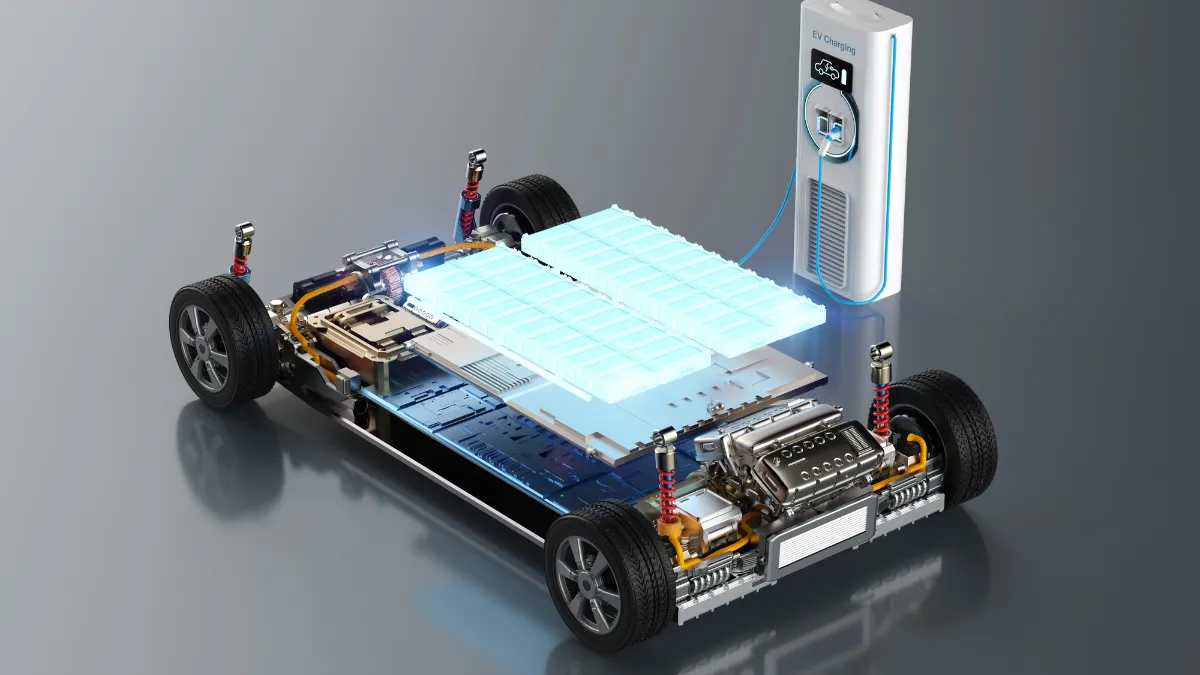
The key mindset shift is this: You don’t fill an EV; you top it up. You don’t wait for it to be ready; it charges while you are busy doing other things.
| Charging Scenario | Where It Happens | Time to Add 100km Range | The Mindset Shift |
| Home (Wall Box) | Overnight, while you sleep (or while you work from home) | ~2-3 hours | You wake up to a “full tank” every morning. |
| Public Fast Charger (50kW) | On a long road trip at a service station | ~15-20 minutes | This is your coffee break or leg-stretching time. |
| Public Ultra-Fast Charger (350kW) | On a major highway stop (where available) | ~5-10 minutes | Quick top-up to get you to your destination. |
- The Fact: Over 80% of all EV charging in Australia happens at home, overnight.
- The Myth: You’ll spend hours waiting at a public charging station every week.
- The EV Reality: For your daily driving, you simply plug in when you get home, and the car manages the rest. The battery is always topped up and ready to go in the morning. Public fast charging is reserved only for longer trips, and the time taken is generally the same as a necessary rest break.
Myth 3: The Grid Will Collapse – Powering a Nation of EVs
Another common, large-scale concern is that the Australian power grid—especially in peak summer—will be crushed by millions of EVs all charging at the same time.
Smart Charging is the Solution
If every single car on Australian roads suddenly turned electric overnight, the grid would certainly have an issue. However, the transition is happening gradually over decades, giving energy companies time to adapt and invest. More importantly, EVs will be charged smartly.
- The Fact: If every car in Australia became electric today, the total energy demand would only increase by an estimated 15%. This is a manageable increase spread over decades.
- The Myth: Everyone will plug in their EV when they get home at 5 PM, causing a massive surge and blackouts.
- The EV Reality: The vast majority of Australian EV owners charge at home during off-peak hours (late at night) or using solar power during the day. Why? Because electricity is cheaper at these times!
The grid is not an unthinking system. Smart charging systems already exist to automatically begin charging your car only when electricity is cheap and readily available (like at 1 AM), ensuring the grid is not strained during the evening dinner and TV peak-time. Furthermore, future Vehicle-to-Grid (V2G) technology could even see your EV become a temporary home battery, helping to stabilise the grid by feeding energy back into your house during a blackout.
Conclusion: Confidence in the Switch
The decision to switch to an EV in Australia is a logical and financial one, not a lifestyle sacrifice. The anxiety is based on old myths about range, charging time, and infrastructure.
The Reality is Simple:
- Your new ‘servo’ is your garage, making daily driving effortless.
- Your EV’s range already far exceeds your daily driving needs, making range anxiety irrelevant.
- The grid will adapt through smart, off-peak, and solar charging, keeping costs low and the lights on.
By leaving the myths behind, you can confidently explore the next steps and join the growing number of Australians who are enjoying a cheaper, quieter, and more convenient way to drive. It’s time to find the EV that’s already waiting for you.
FAQs
Will I run out of charge on a long trip?
It’s unlikely if you plan. Use route-planning and charger-locator apps to map charging stops. Most long-distance trips require only one or two planned stops at fast chargers; the time you spend charging can coincide with rest breaks.
How long does charging cost compared with petrol?
Charging costs vary by electricity tariff and whether you use home solar. On a cents-per-kilometre basis, EVs are typically cheaper to run than petrol cars, especially when charging at home during off-peak periods or using solar.
Can I install a charger if I live in an apartment or strata?
Yes, but it may take coordination. Many state governments and councils have guidance for EV-ready buildings, and solutions exist for communal charging. Start by speaking with your strata manager or landlord and a qualified electrician.
Are EVs better for the environment in Australia?
Generally yes. Even on Australia’s grid mix, EVs produce lower lifecycle emissions than equivalent petrol cars, and that advantage grows as the grid decarbonises and more renewable energy is deployed.
Are EVs expensive to maintain?
No. EVs have fewer moving parts, no oil changes and simpler drivetrains, which usually reduces maintenance costs. Battery warranties and improving service networks add further confidence.
About EV Evolution
EV Evolution is the leading online platform dedicated to Australian electric vehicle owners and enthusiasts. We foster a vibrant community, delivering essential EV news and insights, and enhancing user engagement through our innovative, AI-powered chatbot for dynamic discussions. Our mission is to empower Australian electric vehicle owners and enthusiasts by fostering a vibrant, AI-driven online community that connects, informs, and advances the nation’s electric vehicle landscape.