

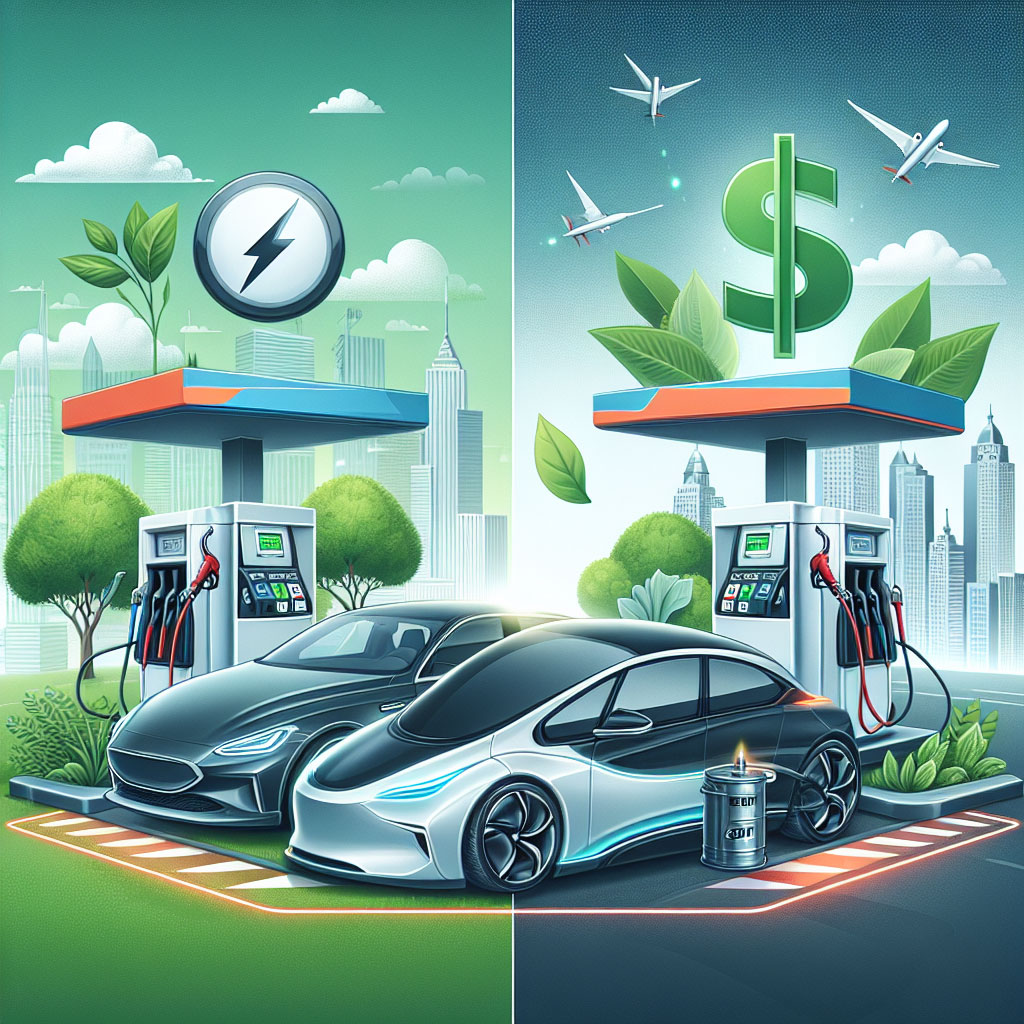
For decades, buying a car in Australia meant calculating the upfront purchase price, then bracing yourself for the ongoing pain of petrol, servicing, and general maintenance. Now, with electric vehicles (EVs) becoming a genuine alternative, the way we calculate the ‘true cost of ownership’ has completely changed.
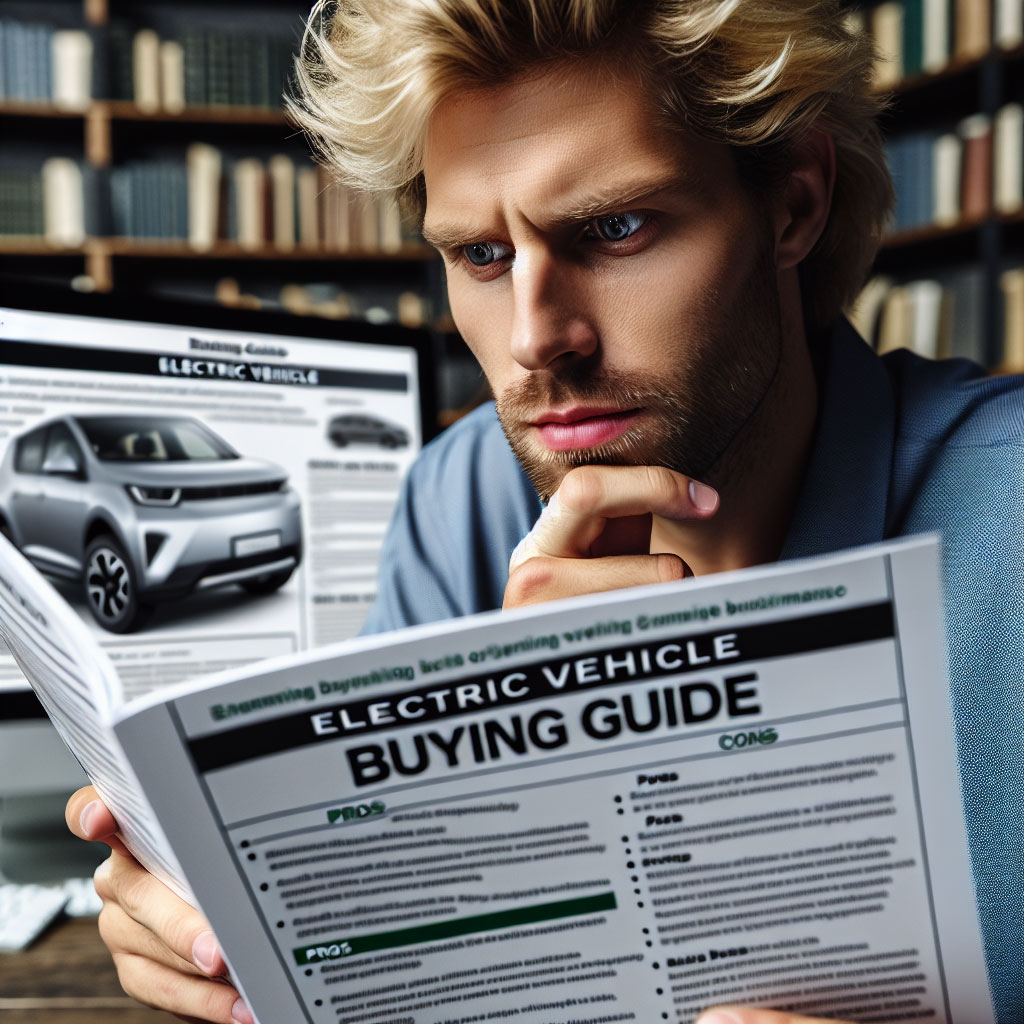
Many Australians look at the higher sticker price of an EV and think, “Too expensive, mate.” But that’s only half the story. The real game-changer lies in the running costs: fuel (electricity), maintenance, registration, and even insurance. When you dig into these figures, the picture becomes clear: while the upfront cost is higher, the long-term running costs of an EV are significantly lower, often saving thousands per year.
Let’s break down the numbers and dispel the myth that EVs are just for the wealthy.
1. Fuel vs. Electricity: The Biggest Saving
This is where the rubber hits the road, or rather, where the electrons hit the battery. The price of petrol at the bowser is notoriously volatile, and we’ve all felt the pinch of $2.00/litre (or more!) days.
The Petrol Pain
- Average Fuel Consumption: A typical mid-sized petrol SUV in Australia consumes around 8-10 litres per 100 kilometres.
- Average Driving: The average Australian drives approximately 13,000 km per year.
- Annual Fuel Cost (Petrol): At an average of $1.80/litre, that’s roughly $1,872 – $2,340 per year just on fuel. If prices spike to $2.20/litre, you’re looking at $2,290 – $2,860 per year.
The Electric Relief
- Average Electricity Consumption (EV): A typical mid-sized EV consumes around 15-20 kWh per 100 kilometres.
- Annual Electricity Consumption: For 13,000 km, that’s 1,950 – 2,600 kWh per year.
- Annual ‘Fuel’ Cost (Electricity): This is where smart charging comes in:
- Home Charging (Off-Peak): If you charge primarily at home using an off-peak electricity tariff (common for EVs, as low as $0.08 – $0.12/kWh), your annual ‘fuel’ bill drops to an incredible $156 – $312 per year.
- Home Charging (Standard Peak): Even on a standard residential rate (e.g., $0.30/kWh), it’s still only $585 – $780 per year.
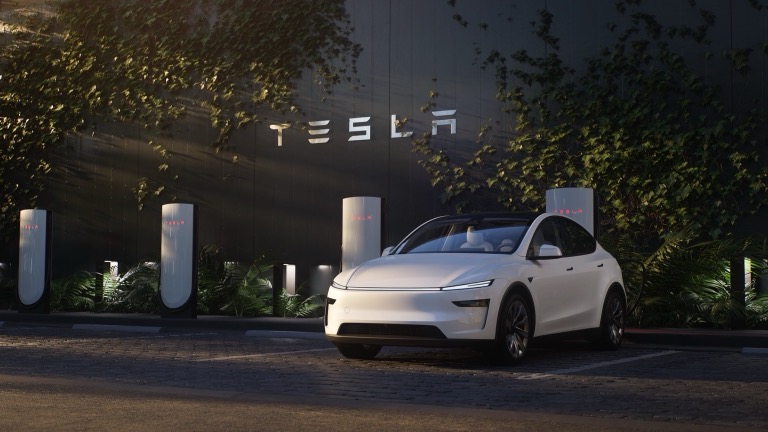
- Public Fast Charging: While more expensive (around $0.40 – $0.60/kWh), this is used sparingly for road trips. Even if 20% of your charging was public fast, it’s a small portion of your overall cost.
The Saving: Switching from petrol to off-peak home charging can save you anywhere from $1,500 to over $2,000 per year just on ‘fuel’ alone! This is the single biggest factor in an EV’s lower running cost.
2. Maintenance: Less Parts, Less Pain
Pop the bonnet of a petrol car, and you’ll see a dizzying array of belts, hoses, filters, and fluids. Pop the bonnet (or frunk) of an EV, and it’s remarkably sparse. This simplicity directly translates to significantly lower maintenance costs.
The Petrol Car Chore List
- Regular Servicing: Oil changes, oil filter replacements, air filter replacements, spark plug replacements, fuel filter replacements.
- Wear and Tear: Exhaust system issues, transmission fluid changes, clutch replacements (manuals), intricate engine component repairs.
- Annual Cost: A typical petrol car might cost $400 – $800 per year for scheduled servicing and minor repairs, often more for European or older vehicles.
The Electric Vehicle’s Easy Life
- Minimal Powertrain Maintenance: No oil, no spark plugs, no fuel filters, no exhaust system, no complex gearbox.
- Regenerative Braking: EVs use their electric motor to slow down, converting kinetic energy back into electricity. This dramatically reduces wear on brake pads and discs, meaning they last much, much longer.
- Annual Cost: EV servicing typically involves checking software, cabin air filters, tyre rotations, and general inspections. Manufacturers often offer capped-price servicing that is notably cheaper than petrol equivalents. For example, a Tesla Model 3 has no scheduled servicing requirements, only recommended checks, while a BYD Atto 3 might cost $200 – $400 per year (average over 5 years).
The Saving: Expect to save at least $300 – $500 per year on routine maintenance with an EV. Over a decade, that’s thousands of dollars that stay in your pocket.
3. Registration, Road Tax & Incentives: State-by-State Swings
This category varies wildly by state, but overall, EVs often benefit from discounts or exemptions that further reduce annual costs.
The Petrol Car Standard
- Registration & CTP: Standard fees apply in all states.
- Road User Charges: Some states are introducing charges for EVs to replace lost fuel excise revenue, but many still offer benefits.
The Electric Vehicle Edge
- Registration Discounts/Exemptions: Many states (e.g., QLD, ACT, NT, TAS, SA) still offer annual registration discounts or exemptions for EVs, saving $100 – $500 per year.
- Stamp Duty Exemptions: In states like NSW, you can save thousands on stamp duty for eligible EVs.
- Fringe Benefits Tax (FBT) Exemption: For eligible employees, a novated lease on an EV under the FBT exemption can save you tens of thousands over the life of the car by reducing your taxable income. This is a massive hidden saving.
The Saving: Depending on your state and personal circumstances, annual savings here could be $100 to many thousands (with FBT exemption).
4. Insurance: Closing the Gap
Historically, EV insurance could be more expensive due to repair costs and specialist parts. However, as EVs become more common and repair networks expand, the gap is rapidly closing.
- The Trend: Insurance premiums for popular EV models are becoming increasingly competitive, often matching or even undercutting comparable petrol models. This is especially true for mass-market EVs from established brands.
- Factors: Your driving history, location, chosen excess, and the specific EV model will still be the biggest determinants.
The Saving: While not always a ‘saving,’ expect insurance costs to be comparable to, or slightly higher than, an equivalent petrol car, rather than a prohibitive expense.
The Grand Total: Upfront vs. Long-Term Value
Let’s look at a conservative estimate of annual savings for an average Australian driver comparing a mid-size petrol SUV vs. a mid-size EV, assuming off-peak home charging:
| Category | Annual Petrol Car Cost (Estimate) | Annual EV Cost (Estimate) | Annual EV Saving |
| Fuel / Electricity | $2,000 | $300 | $1,700 |
| Maintenance | $600 | $300 | $300 |
| Registration / Taxes | $800 | $600 | $200 |
| Total Annual Cost | $3,400 | $1,200 | $2,200 |
This conservative estimate shows a typical EV owner could be saving over $2,000 per year in running costs! Over five years, that’s $10,000, and over ten years, $20,000 or more.
Key Takeaway: While the upfront cost of an EV might be higher than a comparable petrol car, the long-term running costs are significantly lower. These savings compound year after year, often offsetting the initial price difference over the lifespan of the vehicle and making an EV a smarter financial choice in the long run. The petrol bowser is a money pit; your garage is your savings account.
Frequently asked questions
Are EVs cheaper to run than petrol cars in Australia?
In most cases, yes. Lower energy cost per kilometre (especially with home off‑peak charging), reduced servicing and fewer mechanical replacements typically mean substantially lower annual running costs for EVs. Exact savings depend on charging habits, electricity rates, and vehicle choice.
How much does it cost to install a home charger?
Installation costs vary: a basic dedicated AC wall box and labour can be around $800-$1,500, while more complex installs (meter upgrades, three‑phase supply or long cable runs) can push the cost to $2,000-$3,000 or more. Always get multiple quotes from accredited electricians and consider future‑proofing.
Will EV batteries need replacing and how much does that cost?
Manufacturers generally provide battery warranties (commonly 7-10 years or 100,000-200,000 km). Batteries degrade slowly; few owners will need a replacement within the warranty period. Out‑of‑warranty battery replacement can be expensive, but prices have been falling and many aftermarket and remanufactured options are emerging.
How do public fast charging costs compare to home charging?
Public fast chargers are significantly more expensive per kWh than home off‑peak charging. Expect public rapid charging costs to range from roughly $0.40 to $0.90+/kWh depending on network and location. Use public charging mainly for trips rather than daily top‑ups to keep costs down.
Do governments offer incentives for EV purchases in Australia?
Some states and territories have offered registration discounts, stamp duty concessions and other incentives, but policies change. Federal and state programs evolve, so check your state/territory government website for the latest incentives and any applicable thresholds.
About EV Evolution
EV Evolution is the leading online platform dedicated to Australian electric vehicle owners and enthusiasts. We foster a vibrant community, delivering essential EV news and insights, and enhancing user engagement through our innovative, AI-powered chatbot for dynamic discussions. Our mission is to empower Australian electric vehicle owners and enthusiasts by fostering a vibrant, AI-driven online community that connects, informs, and advances the nation’s electric vehicle landscape.