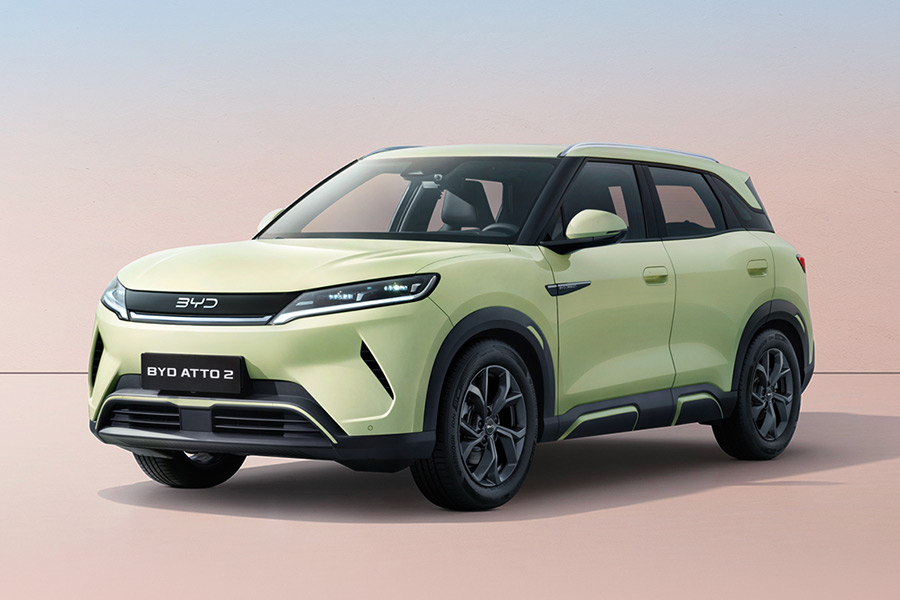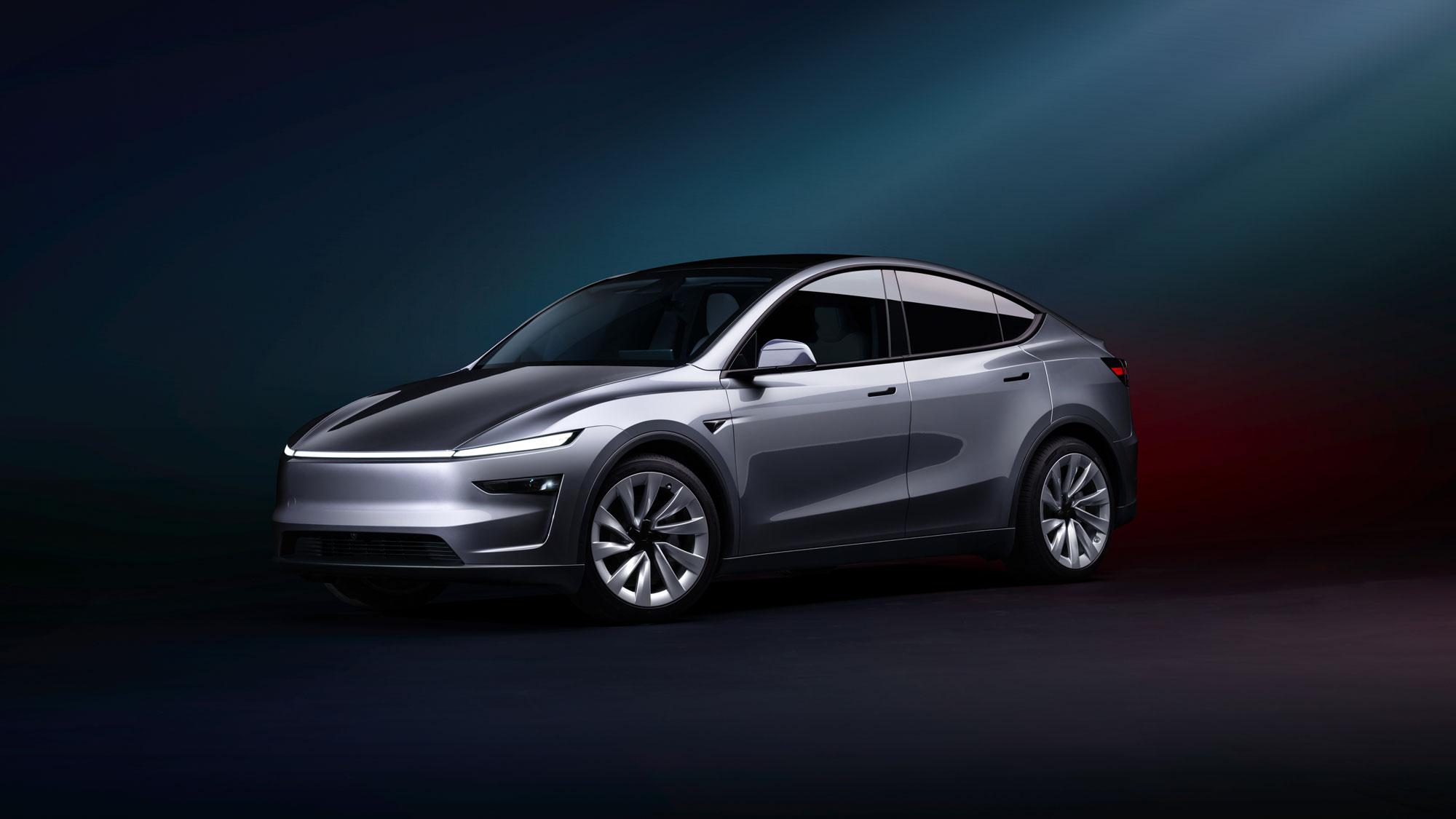



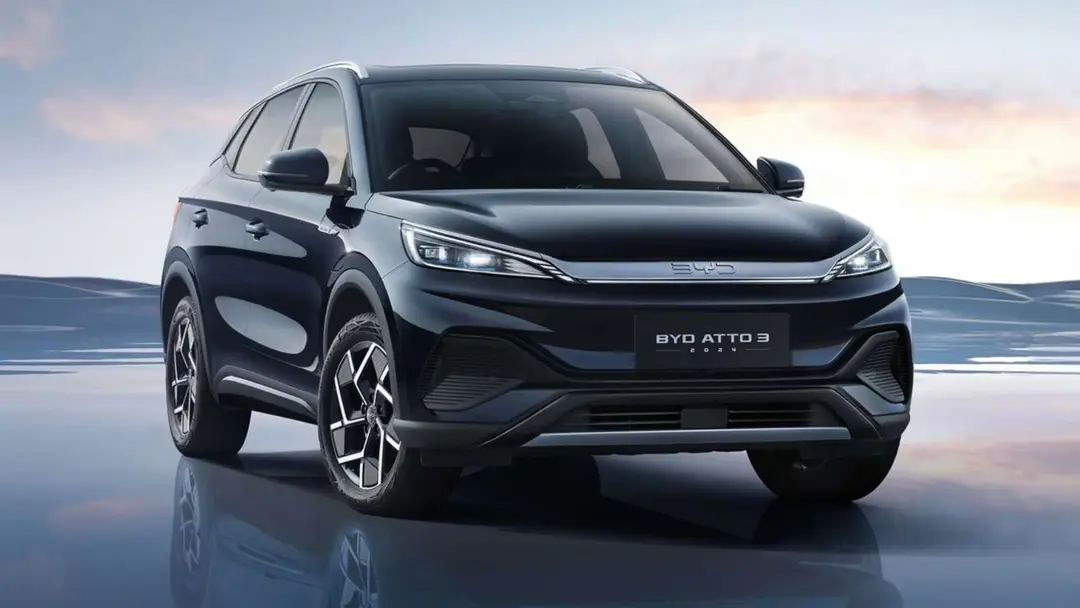
The Australian electric vehicle market is heating up, and nowhere is the competition fiercer than in the mid-sized SUV segment. While Tesla’s Model Y has long been the undisputed champion, Chinese giant BYD has aggressively thrown down the gauntlet with the highly popular Atto 3. Now, for 2025, BYD has sharpened its pencil, introducing a new base model and, crucially for enthusiasts of the top-spec variant, dropping the price of the Atto 3 Premium. This move doesn’t just make the Premium model better value; it solidifies its position as a compelling, feature-rich alternative that demands consideration from any Aussie buyer looking to go electric without emptying the bank account.
💰 The New Pricing Landscape: Value Takes the Lead
The most significant news for the 2025 BYD Atto 3 lineup is the strategic pricing adjustment. The Premium variant (previously known as the Extended Range) has seen a reduction of around $2,509, bringing its starting price down to a highly competitive $44,990 plus on-road costs. This adjustment, coupled with the introduction of a new, lower-spec Essential model starting under $40k, is a clear signal of BYD’s intent: to dominate the accessible end of the EV market.
This price point is the Atto 3 Premium’s greatest weapon against its main rival, the Tesla Model Y Rear-Wheel Drive, which starts significantly higher at around $55,900 plus on-road costs. That gap of over ten thousand dollars is a considerable saving for Australian families, making the Premium model’s comprehensive feature list and practical size an undeniable value proposition.
🔋 Performance and Range: The Premium Advantage
The Atto 3 Premium justifies its position at the top of the range with its excellent battery and range credentials, especially for the price.
- Battery and Range: The Premium model is equipped with BYD’s larger, 60.5 kWh usable Blade Battery, delivering a claimed 420 km (WLTP) driving range. This is a very useable range for city commutes, weekend road trips, and everything in between.
- Power and Drive: Both Atto 3 variants share a single, front-mounted electric motor producing a healthy 150 kW of power and 310 Nm of torque. This translates to a snappy 0-100 km/h acceleration time of 7.3 seconds. While the Tesla Model Y is faster, the Atto 3’s performance is more than adequate for daily driving, feeling zippy and responsive around town.
- Charging: The Premium variant offers a DC fast-charging capability of up to 88 kW, allowing a 30-80% charge in around 29 minutes. While not the fastest on the market, it’s sufficient for topping up on a longer journey. Crucially for many Aussies, it also features Vehicle-to-Load (V2L) functionality, allowing the car to power external appliances—a brilliant feature for camping or during a power outage.
💎 Features That Define ‘Premium’
The “Premium” designation isn’t just about a bigger battery; it’s about a more luxurious and feature-packed cabin experience, which is where the 2025 model really shines. Key highlights that differentiate it from the new Essential variant and elevate the value proposition include:
- Rotating Infotainment Screen: The standout feature remains the enormous 15.6-inch intelligent rotating touchscreen. It’s a talking point, functional, and now includes wireless Apple CarPlay and Android Auto for seamless smartphone integration.
- Interior Comfort: The Premium trim retains the attractive two-tone synthetic leather interior, power-adjustable front seats, and the welcome addition of heated front seats—a godsend during a chilly southern winter.
- A-list Amenities: Other niceties that contribute to the premium feel include a panoramic electric sunroof, a practical power tailgate, and an 8-speaker Dirac sound system.
The overall interior design, while polarising to some with its ‘gym-inspired’ aesthetic, offers a refreshingly different and surprisingly spacious cabin thanks to the dedicated EV e-Platform 3.0 architecture.
🥊 The Tesla Fight: Value vs. Performance
The rivalry between the BYD Atto 3 Premium and the Tesla Model Y is a classic battle of value versus performance and brand cachet.
| Feature | 2025 BYD Atto 3 Premium | 2025 Tesla Model Y RWD |
| Price (excl. ORC) | ~$44,990 | ~$55,900 |
| WLTP Range | 420 km | 455 km (approx.) |
| 0-100 km/h | 7.3 seconds | 6.9 seconds (approx.) |
| Infotainment | 15.6″ Rotating Screen (with Carplay/Auto) | 15″ Central Screen (no Carplay/Auto) |
| Key Features | Panoramic Sunroof, Heated Seats, Power Tailgate, V2L | Faster DC Charging, Larger Boot/Frunk, Sentry Mode |
| Vehicle Warranty | 6 years / 150,000 km | 4 years / 80,000 km |
The numbers speak for themselves. The Tesla Model Y offers a slight edge in raw performance, efficiency, and access to the superb Supercharger network. However, the BYD Atto 3 Premium is over $10,000 cheaper and includes a suite of features like the panoramic sunroof, heated seats, and the highly useful V2L function that the base Model Y either lacks or charges extra for. The significantly better 6-year/150,000 km vehicle warranty also provides greater peace of mind for Australian consumers.
🇦🇺 The Final Word for Australian Buyers
The 2025 BYD Atto 3 Premium, with its newly sharpened price, is an exceptional proposition in the Australian EV landscape. It successfully marries a practical compact SUV form factor with genuine electric vehicle efficiency and a generous standard features list. It’s spacious enough for a small family, stylish enough to turn heads, and, most importantly, affordable enough to be a genuine option for the average buyer.
The price reduction isn’t just a marketing gimmick; it’s a recalibration that makes the argument for choosing the Atto 3 over its more established, but more expensive, rivals overwhelmingly strong. For the Australian buyer focused on maximum features, space, and a generous driving range for the best possible price, the 2025 BYD Atto 3 Premium is arguably the best-value electric SUV on the market right now. It’s not just fighting Tesla; it’s providing a compelling reason for Australians to make the switch to electric, today.
2025 BYD Atto 3: Comprehensive Guide to Warranty and Servicing Costs in Australia
A detailed breakdown of the 2025 BYD Atto 3’s warranty and capped-price servicing costs for Australian owners is below.
Please note that recent warranty updates have made the coverage more comprehensive and the servicing costs are generally considered competitive for an EV.
🛡️ BYD Atto 3 Australian Warranty (Applicable to 2025 Model)
BYD Australia has recently streamlined and improved its warranty structure, which is also backdated to cover all vehicles delivered since the Atto 3’s launch in 2022.
| Component | Coverage | Details |
| Vehicle Warranty (Bumper-to-Bumper) | 6 years / 150,000 km | Covers almost all components of the vehicle. This is a recent simplification from a previous, complex structure with many different coverage periods for individual parts. |
| High Voltage Battery (Blade Battery) | 8 years / 160,000 km | This is the warranty for the Blade Battery, guaranteeing retention of at least 70% of the battery’s health during the warranty period. |
| Electric Drive Unit | 8 years / 160,000 km | Covers the motor, motor controller, and high voltage electric control assembly. |
| Roadside Assistance | 12 months complimentary | This coverage is often automatically renewed for 12 months with each subsequent annual logbook service performed at a BYD authorised service centre. |
Important Note on Warranty: The recent move to a simpler, more comprehensive ‘bumper-to-bumper’ 6-year/150,000km vehicle warranty removes the previous, shorter coverage terms for items like the infotainment screen, shock absorbers, and other specific parts. Always refer to your official warranty booklet for the definitive, final terms.
🛠️ BYD Atto 3 Australian Servicing Costs
The BYD Atto 3 is offered with a capped-price servicing program in Australia, featuring two main plans based on annual kilometres driven: Standard and Light.
The primary service interval is 12 months or 20,000 km, whichever occurs first, for the Standard plan. A complimentary safety check is also required at 3 months or 5,000 km.
1. Standard Kilometre Capped Price Servicing (Up to 20,000 km/year)
This table outlines the costs and key intervals for the first five years/100,000 km under the Standard plan.
| Service Interval | Distance (km) | Time (months) | Capped Price (Approx. Incl. GST) |
| Initial Check | 5,000 | 3 | Complimentary ($0) |
| 1st Service | 20,000 | 12 | $189 |
| 2nd Service | 40,000 | 24 | $498 |
| 3rd Service | 60,000 | 36 | $189 |
| 4th Service | 80,000 | 48 | $635 |
| 5th Service | 100,000 | 60 | $189 |
| Total Cost over 5 Years | 100,000 km | 60 months | $1,700 (Approx.) |
Average Annual Cost (5 Years/100,000km): Approximately $340.
2. Light Kilometre Capped Price Servicing (Up to 12,000 km/year)
This option is for lower-use drivers and offers a fixed, lower cost per year for the first five years, provided you do not exceed 60,000 km in total during that period.
| Service Interval | Distance (km) | Time (months) | Capped Price (Approx. Incl. GST) |
| Initial Check | 5,000 | 3 | Complimentary ($0) |
| Annual Service | 12,000 | 12 | $189 |
| Annual Service | 24,000 | 24 | $189 |
| Annual Service | 36,000 | 36 | $189 |
| Annual Service | 48,000 | 48 | $189 |
| Annual Service | 60,000 | 60 | $189 |
| Total Cost over 5 Years | 60,000 km | 60 months | $945 (Approx.) |
Average Annual Cost (5 Years/60,000km): Approximately $189.
📝 Key Service Inclusions
While EVs require less maintenance than combustion engine cars, the logbook service typically includes:
- Safety Inspection
- Battery Health Inspection
- Brake Pad Wear Inspection (EVs use regenerative braking, so pads typically last longer)
- Fluid Checks/Replacement: Brake fluid (replacement required, typically every 2 years), gear oil (replacement at major service intervals), and coolant.
- Filter Replacements: Cabin/Pollen Filter.
- Vehicle Status Health Check
Comparing Servicing Costs: BYD Atto 3 vs. MG ZS EV and Tesla Model Y in Australia
Below is a comparison of the BYD Atto 3, MG ZS EV, and the Tesla Model Y based on available servicing information in Australia.
⚡ EV Servicing Cost Comparison (Australia)
The table below focuses on the scheduled, capped-price servicing programs offered by BYD and MG, and the comparable estimated maintenance costs for the Tesla Model Y over a typical 5-year period.
| Vehicle | Service Interval (Time/Distance) | Capped-Price Servicing Program Length | Total Cost (Estimated 5 Years / 100,000km) | Annual Average (Estimated 5 Years) |
| BYD Atto 3 | 12 months or 20,000 km | 11 years (Capped) | Approx. $1,300 – $1,700 | Approx. $260 – $340 |
| MG ZS EV | 24 months or 40,000 km | 14 years (Capped) | Approx. $1,080 – $1,340 | Approx. $216 – $268 |
| Tesla Model Y | Condition-Based / Minimal | No Capped-Price Program | Approx. $450 – $1,200+ | Approx. $90 – $240+ |
Note on Costs: The BYD and MG figures are based on their latest capped-price schedules for the first 5 years of ownership, assuming typical annual driving. The Tesla figures are an estimate based on recommended maintenance items (like cabin filters, brake fluid test) that are required but are paid for individually, not part of a set schedule.
🚗 Key Differences in Servicing
1. MG ZS EV (Longer Intervals, Generally Lower Cost)
- Key Advantage: The MG ZS EV generally has the lowest scheduled maintenance costs due to its very long service interval of 24 months or 40,000 km.1 This means fewer visits to the service centre.
- 5-Year Cost Detail: Over five years, this typically means two to three scheduled services (depending on mileage), keeping the capped-price cost very low compared to rivals.
2. BYD Atto 3 (Standard Intervals, Competitive Price)
- Key Advantage: The Atto 3 is highly competitive with a capped-price scheme that is cheaper than many non-EV rivals and runs for a very long 11 years.
- 5-Year Cost Detail: It requires servicing every 12 months or 20,000 km. While this means more annual trips than the MG, its individual service costs are low, keeping the overall 5-year total very reasonable.
3. Tesla Model Y (Minimal Requirements, Variable Cost)
- Key Advantage: Tesla operates on a philosophy of minimal required maintenance, with no annual service requirement or capped-price schedule (unlike BYD and MG).2
- 5-Year Cost Detail: Owners only pay for specific maintenance items when they are due, such as:
- Cabin Air Filter: Replacement every 2 years.3
- Brake Fluid: Test every 4 years (replace if needed).
- Tyre Rotation: Recommended every 10,000 km (often a minor cost or something owners do at tyre shops).4
- This can result in the lowest cost of the three if only the basic items are completed on schedule, but costs can vary significantly based on individual use and additional repair needs.
🏁 Conclusion on Servicing
In terms of low and predictable cost of maintenance over 5 years, the MG ZS EV edges out the competition due to its significantly longer service interval.
The BYD Atto 3 provides a strong, predictable, and long-running capped-price service program that offers great transparency.
The Tesla Model Y has the potential for the lowest cost, but it lacks the fixed price and schedule peace-of-mind offered by the capped-price schemes of BYD and MG.
About EV Evolution
EV Evolution is the leading online platform dedicated to Australian electric vehicle owners and enthusiasts. We foster a vibrant community, delivering essential EV news and insights, and enhancing user engagement through our innovative, AI-powered chatbot for dynamic discussions. Our mission is to empower Australian electric vehicle owners and enthusiasts by fostering a vibrant, AI-driven online community that connects, informs, and advances the nation’s electric vehicle landscape.