


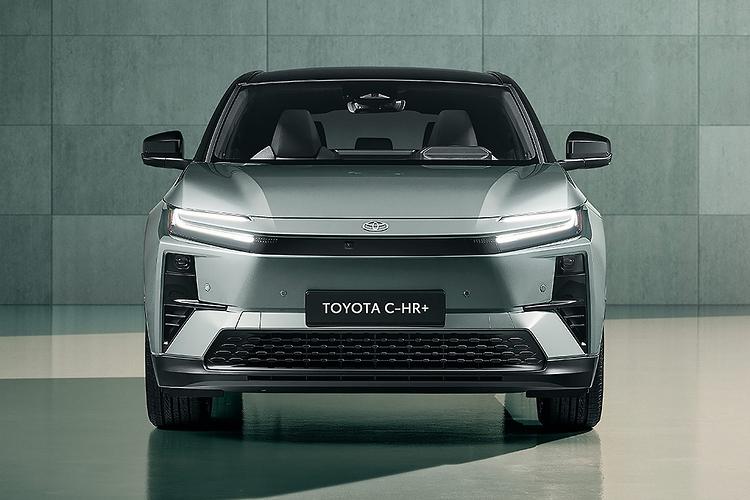
The headline is a long time coming: Toyota has finally confirmed its compact electric SUV, the C-HR BEV, is locked in for an Australian launch.
Hold your applause. While the announcement signals that the world’s biggest carmaker is finally serious about challenging the rapidly evolving EV landscape Down Under, the grim reality is the C-HR BEV is slated for a mid-2027 arrival.
In the electric vehicle ecosystem, two years is an eon. While the C-HR BEV promises to be a worthy competitor to the current champions like the BYD Atto 3 and the newcomer Geely EX5, the timing forces Australian EV enthusiasts to ask: Is this a genuine commitment or a strategic, begrudging compliance with the New Vehicle Efficiency Standard (NVES)?
🥊 The New Lightweight Title Fight: C-HR BEV vs. The Chinese Invasion
Toyota is targeting the heart of the Australian EV market: the compact SUV segment where price, efficiency, and tech matter most. This segment is currently dominated by affordable, high-value Chinese entrants.
| EV Rival | Est. Australian Price (MLP ex. ORC) | Drivetrain | Range (WLTP) | Key Feature |
| 2027 Toyota C-HR BEV | Expected Sub-$60,000 | FWD (AWD likely optional later) | Over 500 km (Claimed) | Toyota Reliability, 22kW AC Charging (Available) |
| BYD Atto 3 | ~$48,011 (Extended Range) | FWD | 420 km | Sharp Price, V2L, Rotating Screen |
| Geely EX5 (Launched March 2025) | ~$42,707 (Driveaway) | FWD | 430 km | Aggressive Pricing, 7-Year Warranty, V2L |
Toyota’s Technical Counterpunch
The C-HR BEV, which is structurally larger than the hybrid C-HR and built on the dedicated e-TNGA EV platform (shared with the bZ4X), brings some seriously competitive hardware to the table—when it finally gets here:
- Power: Australian models are confirmed to use a front-mounted motor producing a healthy 165 kW and 269 Nm. This is a substantial kick compared to the BYD Atto 3 (150 kW), giving the C-HR the performance edge needed for spirited driving.
- Battery and Range: The C-HR BEV will leverage a robust 74.7 kWh lithium-ion battery, targeting over 500 km of claimed range. If this translates to a real-world highway range of 400-430 km, it will be a decisive victory over the current rivals and a strong selling point.
- Charging: The single-motor variant confirmed for Australia supports 150 kW DC fast charging (targeting 10-80% in around 30 minutes) and, critically for home/office charging, an impressive 22 kW AC onboard charger on the higher-spec models. This high AC rate is a rare and welcome feature in the segment, drastically reducing full charging times on three-phase home power.
The Problem: Why Two Years is a Lifetime in the EV Race
For dedicated EV enthusiasts watching the Australian market, the 2027 launch date is less a moment of celebration and more a cause for profound frustration.
- The Moving Target: The cars Toyota is targeting now (Atto 3, EX5) will have been replaced or radically updated by 2027. BYD’s next-generation models and Geely’s rapidly evolving GEA platform will have pushed the goalposts for range, charging speed (likely 800V architecture), and interior tech far beyond the C-HR’s current specifications. Toyota risks launching a technically competitive car that is already outdated upon arrival.
- NVES Compliance: Toyota has faced criticism for its slow EV rollout, relying heavily on hybrids. The C-HR BEV, along with the updated bZ4X, appears to be a crucial—if belated—step to bolster its zero-emissions fleet to meet the mandatory NVES emissions targets kicking off in 2025. This positioning suggests the C-HR is less about capturing market leadership and more about mitigating penalties.
- Wasted Momentum: Toyota is still Australia’s most trusted automotive brand. If they had launched this car in 2025, they could have instantly captured massive market share based on brand loyalty alone. Waiting until 2027 allows the Chinese brands two full years of unimpeded growth and brand normalisation, making Toyota’s task significantly harder.
Inside the C-HR BEV: Toyota’s Quality Promise
Despite the frustrating timeline, the C-HR BEV does represent the best of Toyota’s renewed focus on electric vehicles, which should appeal to buyers upgrading from hybrid models.
- Tech Refresh: Inside, the 2027 model will feature Toyota’s latest cabin experience, centred around a large 14.0-inch digital touchscreen with wireless Apple CarPlay and Android Auto—addressing the clunky tech issues of previous generations.
- Handling and Comfort: Toyota is emphasising the engaging driving characteristics with a dedicated suspension and electric power steering tune. Crucially, the inclusion of steering wheel-mounted paddle shifters to control four levels of regenerative braking allows the kind of driver customisation that enthusiasts demand, moving beyond the simple “set and forget” approach.
- Premium Feel: The C-HR BEV is expected to be positioned as a premium urban SUV, benefiting from generous sound insulation and high-quality materials, differentiating it from some of the more utilitarian cabins of its budget-focused rivals.
The Final Call: Wait or Buy Now?
For the Australian EV enthusiast, the C-HR BEV is a painful paradox. It is everything the market has asked for from Toyota: affordable (sub-$60k), decent range (over 500 km WLTP), and backed by a reputation for reliability.
However, the 2027 launch date is the elephant in the room.
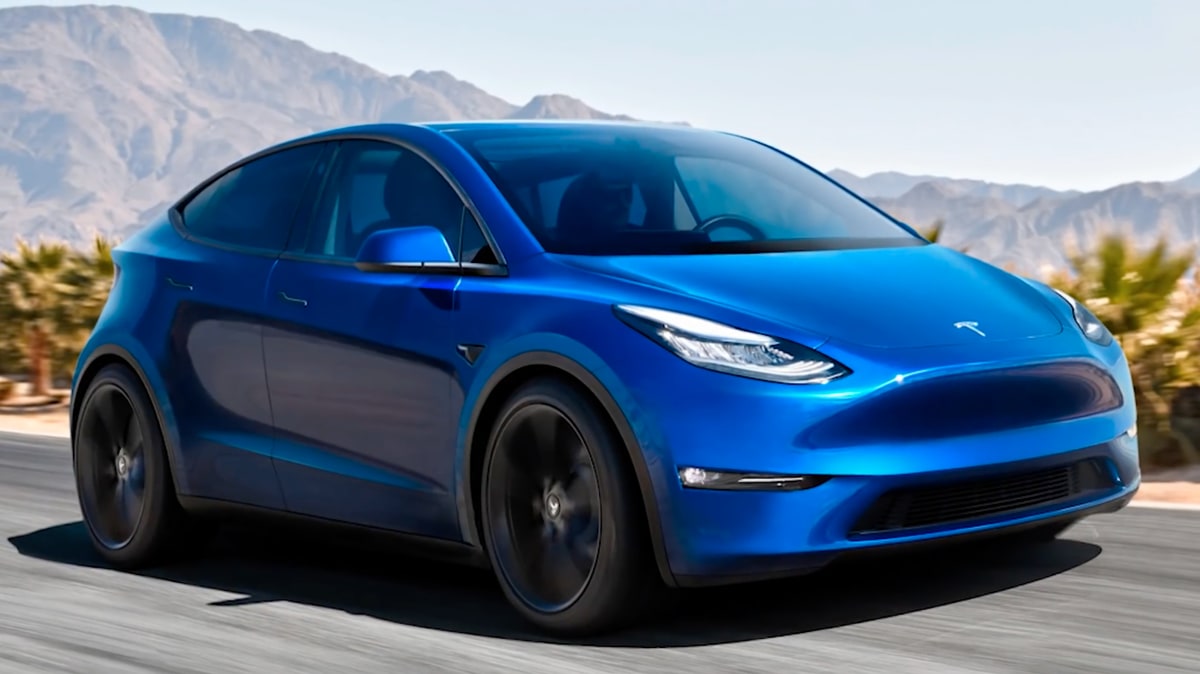
- If you need an EV now: You are better served by the established efficiency of the Tesla Model 3/Y or the exceptional value and quick availability of the BYD Atto 3 or the new Geely EX5. These cars are excellent today, and their successors will be here long before the C-HR.
- If you are a loyalist: The C-HR BEV represents the best future Toyota EV product confirmed for Australia. You will be waiting for a solid, high-quality, and potentially market-leading product, but you will be skipping two full years of the electric transition.
Toyota’s commitment is real, but so is its delay. The question is whether Australian EV buyers are willing to wait for the legacy brand to catch up, or if they will continue to accelerate the market with the innovative, affordable options available today.
What’s your take? Is the Toyota badge worth the two-year wait, or will the C-HR BEV be too late to truly compete? Let us know your thoughts, and stay tuned for our deep dive into the 2027 competition facing this late arrival!
About EV Evolution
EV Evolution is the leading online platform dedicated to Australian electric vehicle owners and enthusiasts. We foster a vibrant community, delivering essential EV news and insights, and enhancing user engagement through our innovative, AI-powered chatbot for dynamic discussions. Our mission is to empower Australian electric vehicle owners and enthusiasts by fostering a vibrant, AI-driven online community that connects, informs, and advances the nation’s electric vehicle landscape.