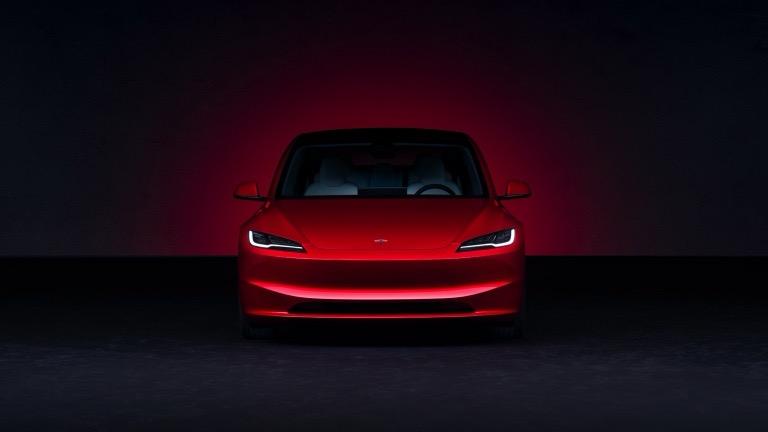


In 2025, the Australian electric vehicle landscape has matured from a niche hobby into a mainstream motoring revolution. With the Tesla Model Y continuing to top sales charts and the Model 3 “Highland” update cementing its status as the default electric sedan, thousands of Aussies are saying goodbye to petrol bowsers every month.
But as the “fuel” changes from unleaded to electrons, the economics of driving shift radically. The question on every new owner’s lips is no longer “What is the price of petrol?” but “What is the price of a kilowatt-hour?”
At EV Evolution, we believe transparency is key to EV ownership. Whether you are charging in your driveway in Sydney or topping up at a Supercharger on the Nullarbor, understanding the 2025 cost landscape is essential. Here is your definitive guide to Tesla charging and servicing costs in Australia for 2025.
🏡 Home Charging: The “Base Load” Economics
For most Australian Tesla owners, 90% of charging happens at home. In 2025, this remains the single cheapest way to fuel your vehicle—provided you do it right.
1. Charging from the Grid
If you are plugging into a standard wall socket or a 7kW wallbox using grid power, your costs are dictated by your electricity tariff. In late 2025, the national average residential electricity rate sits around $0.39 per kWh, though this varies wildly by state:
- NSW & VIC: Typically $0.28 – $0.35 per kWh (flat rate).
- SA: Can spike to $0.45+ per kWh due to higher network costs.
- WA: Fixed standard tariffs around $0.32 per kWh.
The Cost to “Fill” a Tesla Model Y RWD (approx. 60kWh LFP battery):
- At average peak rates ($0.39/kWh): ~$23.40 for 0-100%.
- At dedicated EV off-peak rates (e.g., OVO/AGL ~8c/kWh): ~$4.80 for 0-100%.
True-Advice: If you don’t have solar, switching to a dedicated “EV Plan” with an overnight off-peak window (often between 12 am and 6 am) is critical. It can slash your “fuel” bill by over 75%.
2. Charging from Solar
This is the Australian dream. If you charge your Tesla using your own rooftop solar, the cost is essentially the “opportunity cost” of not exporting that power to the grid.
- Average Feed-in Tariff (2025): ~5c – 8c per kWh.
- Cost to Fill Model Y: ~$3.00 – $4.80.
Driving on sunshine remains unbeatable. For a standard 15,000km year, a solar-charged Tesla costs roughly $200 per year to run. Compare that to the $2,500+ petrol bill of a Toyota RAV4, and the savings pay for your insurance.
⚡ Supercharging: The “Road Trip” Premium
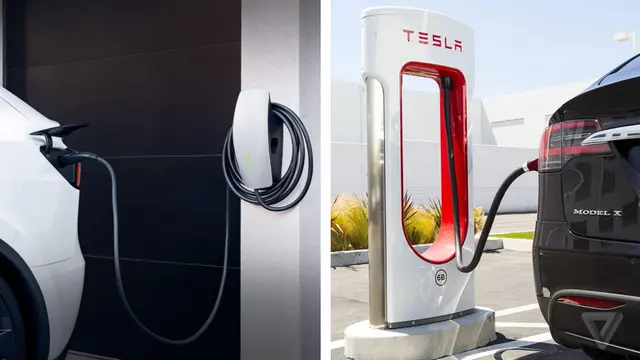
While home charging is cheap, road trips require the speed and reliability of the Tesla Supercharger network. In 2025, Supercharging is a premium service, and prices have adjusted to reflect high energy costs and network expansion.
1. Pricing for Tesla Owners
Tesla moved to variable time-of-use pricing significantly in 2024-2025. Prices change depending on the site and the time of day.
- Off-Peak (Typically late night/early morning): Can be as low as $0.35 – $0.50 per kWh.
- Peak (Typically 4 pm – 8 pm): Averages $0.70 – $0.85 per kWh.
Real-World Cost: A typical road trip stop (adding ~300km range or ~45kWh) will cost between $25 and $38. It is still cheaper than petrol, but the gap narrows during peak times.
2. Pricing for Non-Tesla Owners
With over 70% of the Supercharger network now open to all EVs, non-Tesla drivers (BYD, Kia, Ford) can access the network, but they pay a “casual” premium.
- Standard Rate: Approx. $0.79 per kWh.
- With Membership ($9.99/month): Rates drop to match Tesla owner pricing (approx. $0.66/kWh average).
3. The Trap: Congestion Fees
In 2025, Tesla has replaced simple “idle fees” with dynamic Congestion Fees at busy sites.
- If the site is >50% busy: You may be charged $0.50 per minute if you charge above 80% SoC (State of Charge).
- If the site is 100% full: Fees can double to $1.00 per minute once your charge finishes.
- Advice: Set your charge limit to 80% on road trips and move your car immediately when done.
🛠️ The Hidden Savings: Servicing Costs
One unique aspect of EV ownership that often shocks new converts is the lack of a maintenance schedule. Unlike a petrol car that demands $300-$500 every 12 months (or voiding your warranty), Tesla has NO mandatory annual service.
In 2025, the Tesla maintenance philosophy remains “Condition-Based.” You fix things only when they wear out.
Typical 3-Year Maintenance Costs for a Model Y:
- Year 1: $0.
- Year 2: Cabin Air Filter ($60 – $85) + Wiper Blades ($50).
- Year 3: Brake Fluid Check ($30 – $50 check) + Tyre Rotation/Alignment ($130).
The Big Ticket Item: Tyres
The only “expensive” maintenance item on a Tesla is rubber. Due to the high torque and weight of EVs, tyres can wear faster if you have a heavy right foot.
- Set of 4 Tyres (Michelin Pilot Sport EV): Approx. $1,600 – $2,200.
- Expect to replace them every 40,000km – 50,000km.
Even factoring in tyres, the 5-year servicing cost of a Tesla Model Y is estimated to be 60% lower than a comparable BMW X3 or Audi Q5.
🆓 Are Free Chargers Still a Thing?
In 2025, the era of completely free high-speed charging is mostly over. The NRMA network has transitioned to paid usage, and most council fast chargers now bill for power.
However, smart drivers can still find free electrons:
- Jolt Network: Still offers 7kWh free daily (approx. 45km range) across their urban DC network. It’s perfect for a quick top-up while grabbing a coffee.
- Destination Chargers: Hotels, wineries, and Airbnbs often provide free AC charging (Tesla Wall Connectors) for patrons. Using the “Destination Charging” filter on your sat-nav can save you $20-$30 on an overnight stay.
🤖 Join the Evolution
Navigating time-of-use tariffs, solar optimization, and Supercharger fees can be complex. You don’t have to guess.
EV Evolution has integrated real-time 2025 pricing data into our smart tools. We encourage you to try chatting with the EV Evolution AI chatbot today.
- “What is the cheapest time to charge at the Goulburn Supercharger?”
- “Compare the 5-year running cost of a Model Y vs a RAV4 Hybrid.”
- “Find me a hotel in Byron Bay with free Tesla charging.”
Our AI is built by enthusiasts, for enthusiasts, ensuring you always get the most accurate, up-to-date advice for your Australian electric journey.
About EV Evolution
EV Evolution is the leading online platform dedicated to Australian electric vehicle owners and enthusiasts. We foster a vibrant community, delivering essential EV news and insights, and enhancing user engagement through our innovative, AI-powered chatbot for dynamic discussions. Our mission is to empower Australian electric vehicle owners and enthusiasts by fostering a vibrant, AI-driven online community that connects, informs, and advances the nation’s electric vehicle landscape.