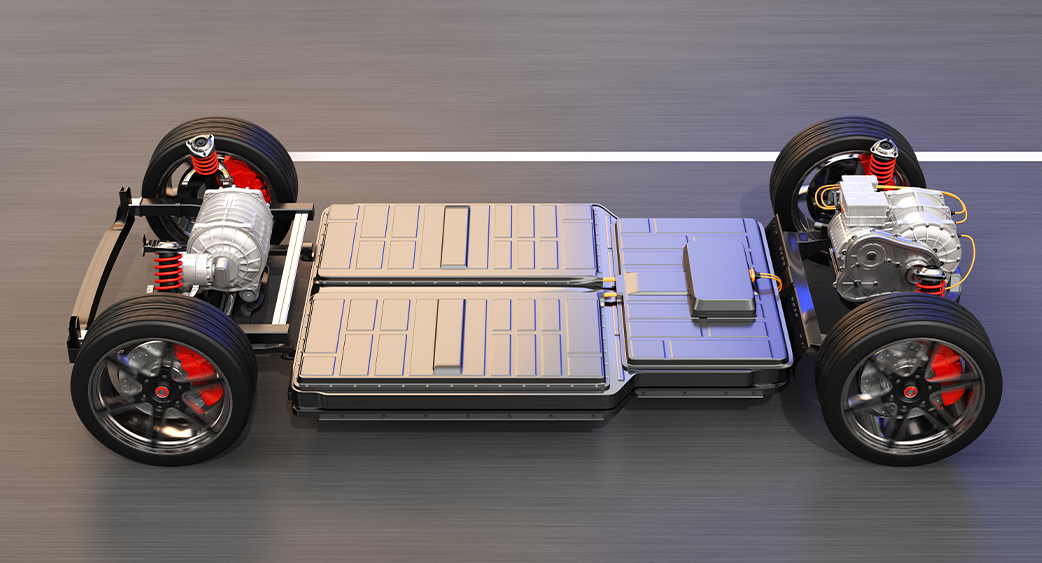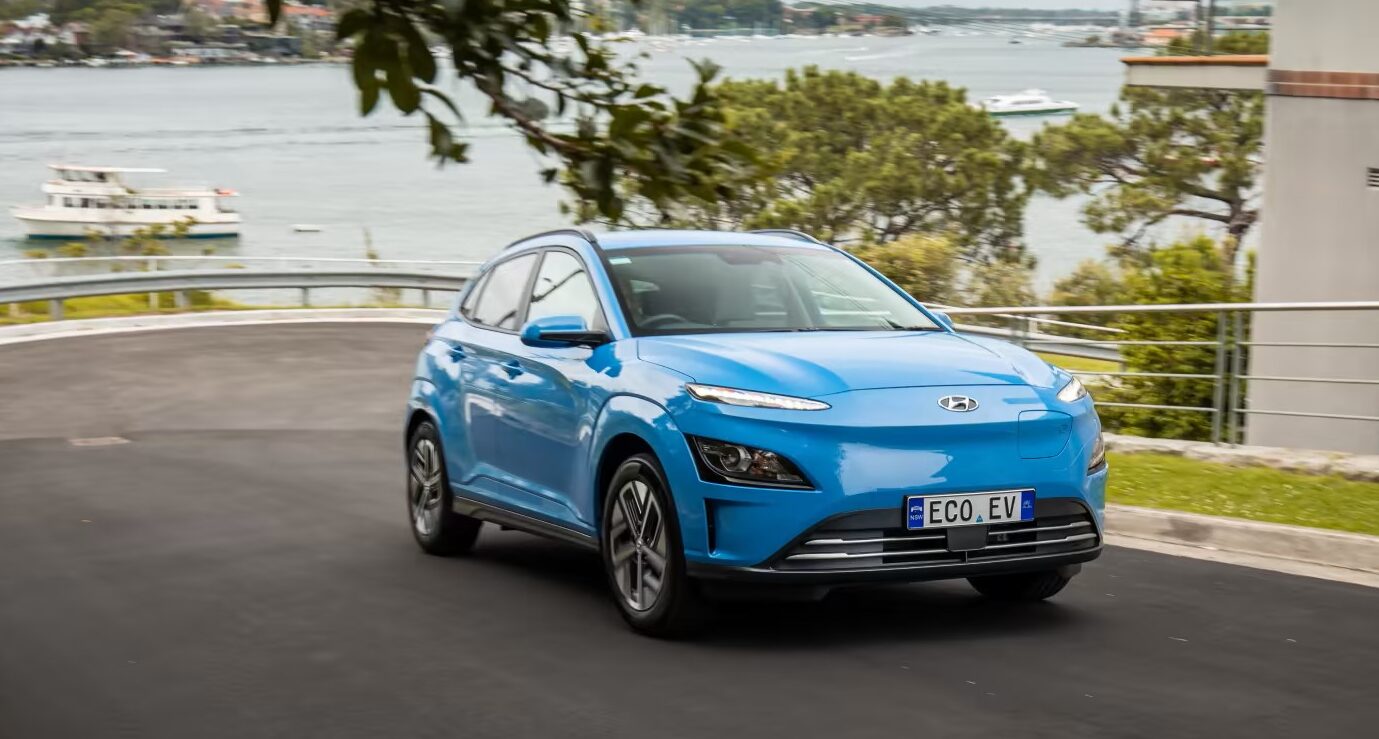



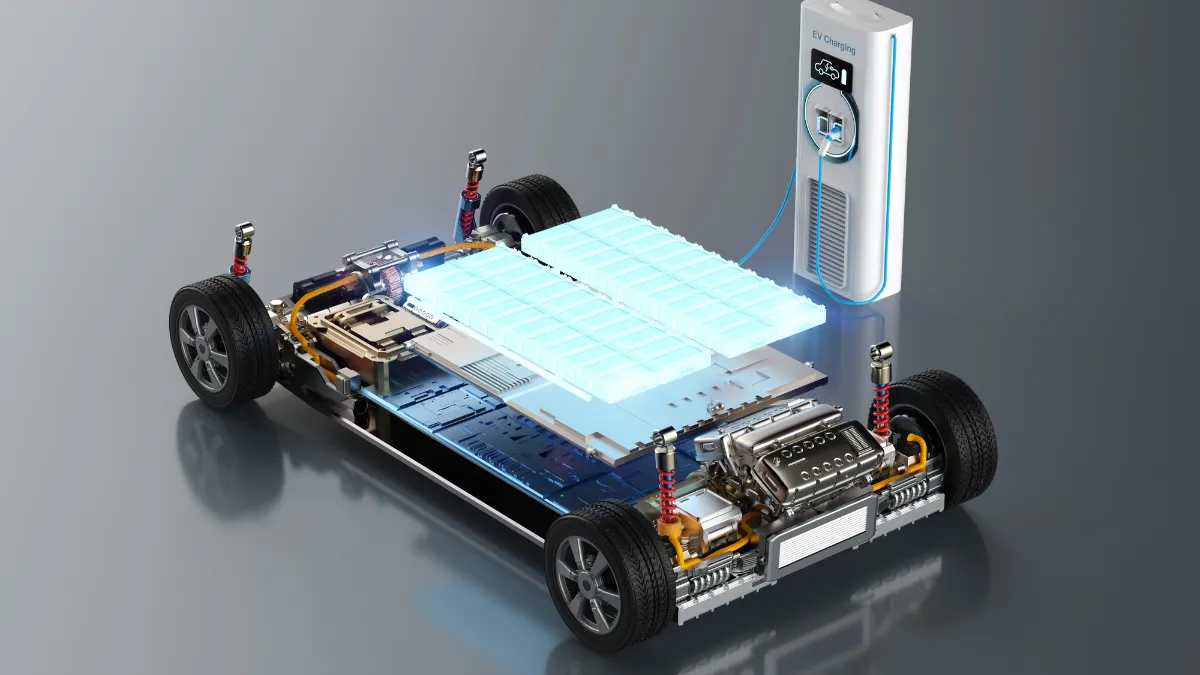
For years, the conversation around electric vehicles (EVs) in Australia has been dogged by a singular, persistent anxiety. It’s the “smartphone fear”—the worry that, much like your iPhone after two years, your expensive new EV battery will rapidly degrade, leaving you with a glorified golf cart and a repair bill worth tens of thousands of dollars.
It is a valid concern. After all, batteries are chemical devices that inevitably age. But as we move through 2025, a wave of comprehensive new data has arrived to challenge these long-held fears. The verdict? We have been worrying about the wrong thing.
At EV Evolution, Australia’s premier digital platform for EV enthusiasts, we believe in busting myths with facts. The latest research reveals that modern EV batteries are not just surviving; they are thriving, with lifespans that are projected to outlast the vehicles themselves.
Here is the deep dive into the new data that is rewriting the rulebook on battery longevity.
📊 The 1.8% Rule: Why Your Battery Will Outlive Your Car
The most significant piece of new evidence comes from Geotab, a global leader in connected transportation. In their major 2024/2025 study, they analyzed telematics data from over 10,000 electric vehicles to track real-world battery health over time.
The findings were staggering. The study revealed that the average annual degradation rate for modern EV batteries has dropped to just 1.8% per year.
To put that into an Australian context: if you buy an EV with 500km of range today, in 10 years, it will likely still have around 410-420km of range remaining.
This 1.8% figure is a massive improvement from the 2.3% degradation rate observed in 2019. It suggests that the vast majority of EV batteries will have a usable lifespan of 20 years or more. Given that the average Australian car is scrapped after about 15-20 years, the data suggests the battery will be the last component to fail, not the first.
🇦🇺 The “Aussie Heat” Factor: Why LFP is the Hero
One of the specific concerns for Australian buyers is our climate. It is a known fact that extreme heat is the enemy of lithium-ion batteries. Early EVs (like the original Nissan LEAF) suffered badly in Australian summers because they relied on passive air cooling.
However, the 2025 Australian market has shifted decisively toward a battery chemistry that loves our climate: Lithium Iron Phosphate (LFP).
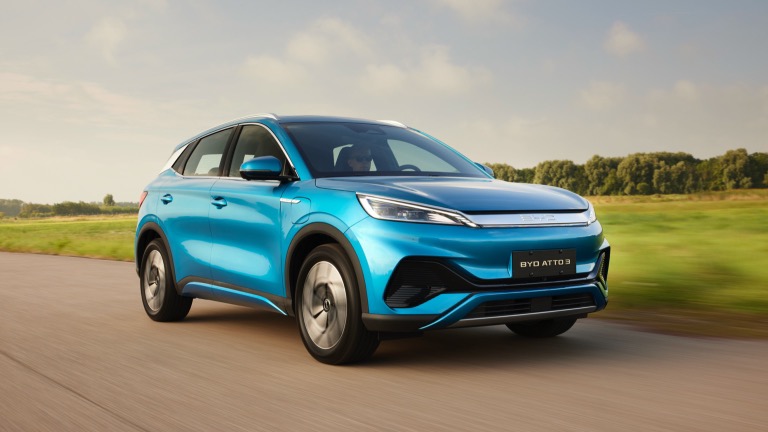
Found in Australia’s best-selling EVs—including the Tesla Model Y RWD, BYD Atto 3, BYD Dolphin, and MG4 Excite—LFP batteries are a game-changer for longevity.
- Thermal Stability: LFP batteries are chemically more stable and resistant to thermal runaway. They handle the scorching 40°C days of a Marble Bar summer far better than the older Nickel Manganese Cobalt (NMC) chemistries.
- Cycle Life: While a standard NMC battery might be rated for 2,000–3,000 charge cycles, LFP batteries are often rated for 4,000 to 7,000 cycles.
- The Math: 4,000 cycles x 400km range = 1.6 million kilometres.
- Even if you drive a massive 20,000km a year, the theoretical cycle life of an LFP battery is roughly 80 years.
For the Aussie enthusiast, this means the “heat death” of batteries is largely a relic of the past, provided the car has an active liquid thermal management system (which almost all modern EVs in Australia now do).
📉 The Replacement Myth: 0.3% Failure Rate
Another major fear is the “sudden death” scenario—the idea that the battery will simply brick itself one day.
Data from Recurrent Auto, which tracks over 20,000 EVs, shows that this fear is statistically unfounded for modern cars. Their 2024 report found that for EVs built after 2022, the battery replacement rate (due to failure) is just 0.3%.
That is lower than the failure rate of internal combustion engines and transmissions. The days of widespread battery failures are over. Today, a battery failure is a rare manufacturing defect, almost always covered by the standard 8-year/160,000km warranty that is industry standard in Australia.
💸 The Cost Curve: Cheaper Than You Think
Even if the worst happens outside of warranty, the financial landscape of battery replacement is changing rapidly.
In 2025, the cost of lithium-ion battery packs has fallen to record lows, dropping below US$100 per kWh in some markets. This means that in the unlikely event a battery needs replacement in 10 or 15 years, it won’t cost $30,000. Analysts project that replacement costs will be comparable to replacing a transmission or engine in a petrol car today.
Furthermore, the rise of “module replacement” means mechanics can now swap out just the faulty cells or modules rather than the entire pack, slashing repair bills significantly.
🚗 What This Means for Resale Value
For a long time, used EV prices were suppressed by the fear of buying a car with a “dying” battery. This new data is the key to stabilizing the used market.
As Australian buyers realize that a 5-year-old EV with 100,000km on the clock likely has 92-95% of its original battery health remaining, trust in the used market will surge. We are already seeing high-mileage Teslas and BYDs holding their value as the market understands that the odometer reading is less critical for an EV than it is for a petrol car.
🤖 Join the Evolution
The data is clear: the batteries are fine. The technology has matured, the thermal management systems work, and the chemistry is more robust than ever.
However, we know that every car is different. Is the LFP battery in a BYD Atto 3 better for your specific commute than the NMC battery in a Polestar 2? What are the real-world degradation reports for the specific model you are eyeing?
Don’t guess—get the answers instantly.
At EV Evolution, we encourage you to try chatting with our AI chatbot. It is trained on the latest degradation data, warranty specifics, and Australian owner feedback.
- “How does the battery degradation of a 2022 Tesla Model 3 compare to a BYD Atto 3?”
- “Is an LFP battery better for Queensland weather?”
- “What is the replacement cost of an MG ZS EV battery in 2025?”
Our AI is ready to assist you 24/7, turning complex data into clear, actionable advice for your EV journey.
About EV Evolution
EV Evolution is the leading online platform dedicated to Australian electric vehicle owners and enthusiasts. We foster a vibrant community, delivering essential EV news and insights, and enhancing user engagement through our innovative, AI-powered chatbot for dynamic discussions. Our mission is to empower Australian electric vehicle owners and enthusiasts by fostering a vibrant, AI-driven online community that connects, informs, and advances the nation’s electric vehicle landscape.