


For years, the electric ute landscape in Australia has been defined by a single, lonely option: the LDV eT60. It was the pioneer, the first to market, and for a long time, the only choice for fleets desperate to decarbonise. But it came with caveats—a steep price tag, modest range, and limited towing capacity that left many tradies shaking their heads.
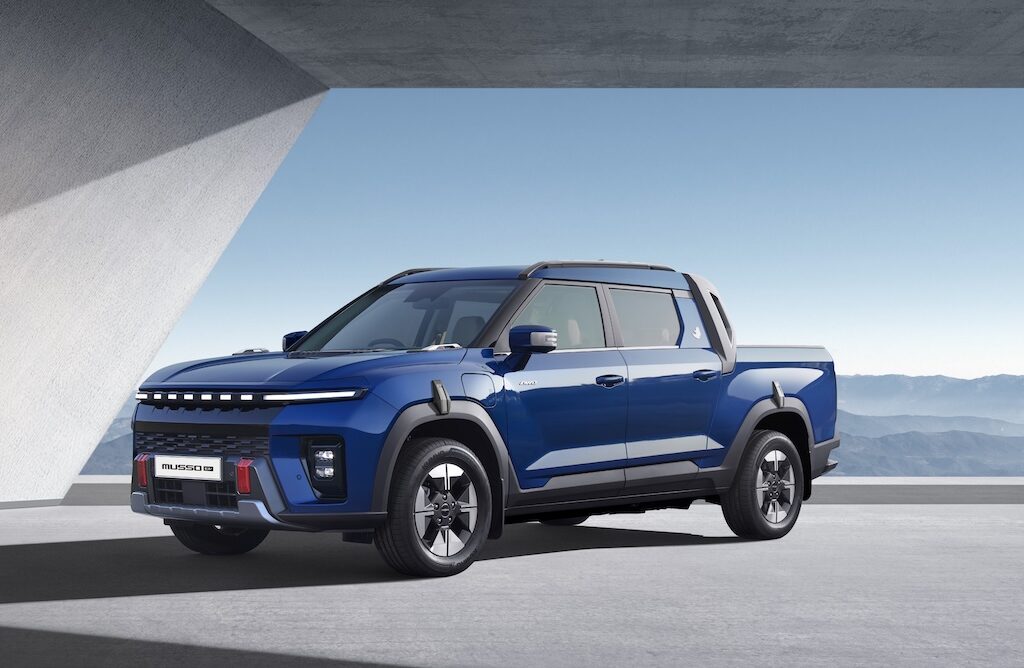
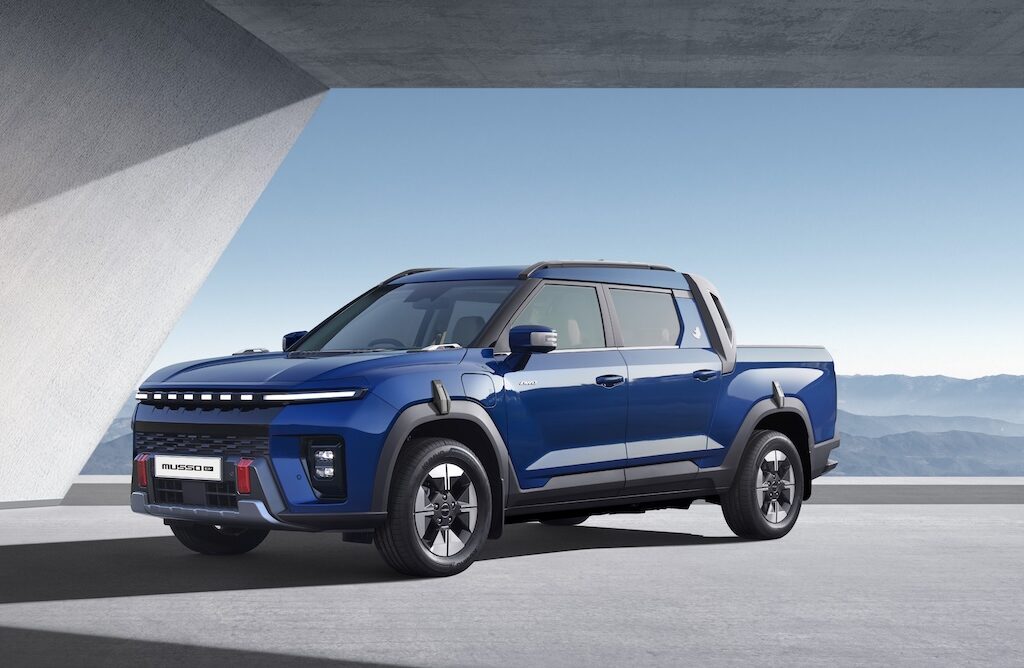
But as we close out 2025, the monopoly is officially over. The KGM Musso EV (from the brand formerly known as SsangYong) has charged onto the scene, bringing with it a spec sheet that reads like a wish list for Aussie ute buyers.
With a price difference of nearly $30,000 and performance metrics that seemingly eclipse the incumbent in every category, we are witnessing a genuine revolution. At EV Evolution, Australia’s premier digital platform for EV enthusiasts, we’ve pitted these two workhorses against each other to see if the new kid on the block is truly the upgrade we’ve been waiting for.
💰 The Price Chasm: A $30,000 Reality Check
Let’s not bury the lead. The single biggest differentiator in this battle is the cost of entry.
- LDV eT60: Historically priced around $92,990 (MSRP). While discounts have appeared occasionally, it remains a premium-priced vehicle for what is essentially a converted diesel platform.
- KGM Musso EV: Launches with a staggering drive-away price of just $60,000 for the 2WD model, topping out at $64,000 for the dual-motor AWD.
The EV Evolution Verdict:
This isn’t just a price gap; it’s a chasm. For the price of one LDV eT60, you could buy a KGM Musso EV and a small electric hatchback for the apprentice. KGM has aggressively positioned the Musso EV to compete not just with other EVs, but with mid-spec diesel utes like the Ford Ranger and Toyota HiLux. It is the first time an electric ute has made financial sense for private buyers and small business owners, not just government fleets.
⚡ Power & Performance: RWD vs. AWD
The difference in philosophy continues under the bonnet. The LDV eT60 has always been a Rear-Wheel Drive (RWD) only affair, powered by a single motor. The KGM Musso EV brings options.
- LDV eT60: Single Motor (RWD). 130kW / 310Nm.
- KGM Musso EV (AWD): Dual Motor. 266kW / 630Nm.
The numbers speak for themselves. The top-spec Musso EV offers double the torque and substantially more power than the eT60. This translates to effortless overtaking, better capability when laden, and crucially, genuine All-Wheel Drive traction—a non-negotiable for many Aussie utes used on job sites or boat ramps. Even the entry-level 2WD Musso (152kW/339Nm) outperforms the eT60.
🔋 Range & Charging: The Efficiency Gap
On paper, the battery sizes look similar. The LDV packs an 88.5kWh unit, while the Musso carries an 80.6kWh LFP battery sourced from BYD. But efficiency is where the war is won.
- LDV eT60: Claims a WLTP range of 330km. In real-world highway driving, this often drops below 250km, limiting its role to urban delivery.
- KGM Musso EV: Claims a WLTP range of 420km (2WD) or 380km (AWD).
Charging Speed:
The KGM Musso EV is built on a more modern architecture, supporting 300kW DC fast charging that can take the battery from 30-80% in roughly 36 minutes. The LDV is limited to 80kW, making mid-trip top-ups a much slower affair.
🛠️ The Work Test: Towing & Payload
This has historically been the Achilles heel of the electric ute. Can they actually do work?
- LDV eT60: Towing is capped at a modest 1,000kg (braked). This rules out most caravans, large boats, and heavy equipment trailers.
- KGM Musso EV: Upgrades this capacity to 1,800kg (braked).
While 1.8 tonnes still falls short of the 3.5-tonne diesel standard, it covers a huge chunk of recreational towing—camper trailers, jet skis, and smaller tinnies are now fair game. Combined with a payload of up to 905kg, the Musso EV is a far more versatile tool for the weekend warrior.
🛡️ Peace of Mind: Warranty Wars
When buying a workhorse, you want to know it’s backed for the long haul.
- LDV eT60: 5-year/160,000km vehicle warranty; 8-year/160,000km battery warranty.
- KGM Musso EV: 7-year/unlimited km vehicle warranty; 10-year/unlimited km battery warranty.
KGM’s warranty package is industry-leading, signaling massive confidence in their LFP battery tech. For a vehicle that will likely see hard work, those extra years of coverage are worth their weight in gold.
🏁 Final Verdict: The Guard Has Changed
The LDV eT60 deserves respect for being the first. It broke ground and proved an electric ute was possible. But in late 2025, it feels like a generation behind. With its imminent replacement (the eTerron 9) on the horizon, the eT60 is a hard sell.
The KGM Musso EV is the upgrade Australia has been waiting for. It is faster, goes further, tows more, charges quicker, and costs nearly $30,000 less. It isn’t just a better EV; it’s a compelling ute, period. The revolution has arrived, and it’s wearing a KGM badge.
🤖 Join the Evolution
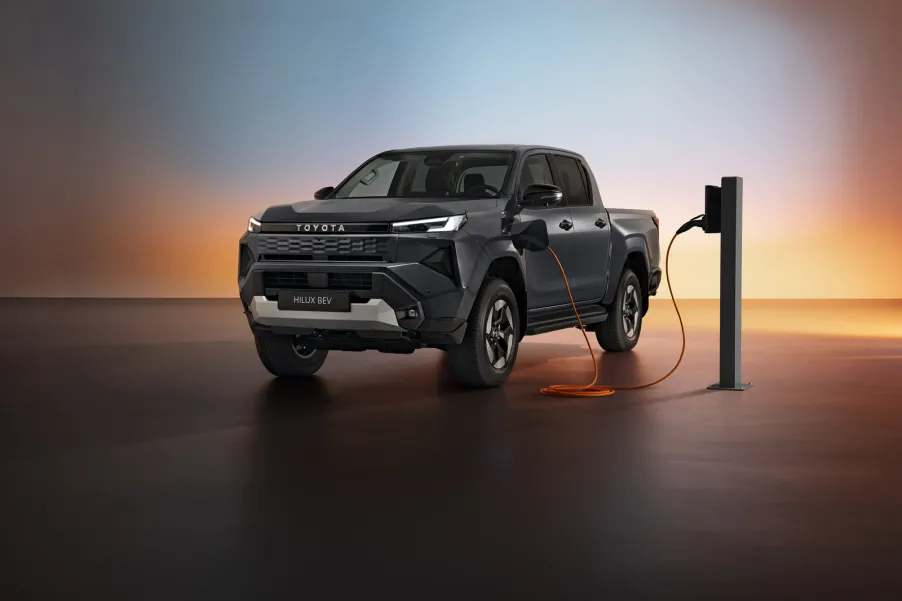
The electric ute market is just heating up, with the Toyota HiLux BEV and Isuzu D-Max Electric looming on the horizon for 2026. Is the Musso EV the right buy today, or should you hold out for the big guns?
Don’t navigate the specs alone.
At EV Evolution, we encourage you to try chatting with our AI-powered chatbot. It is trained on the latest specs, towing guides, and release dates for every electric ute in Australia.
- “Compare the payload of the KGM Musso EV vs Ford Ranger PHEV.”
- “What is the real-world highway range of the LDV eT60?”
- “Is the KGM Musso EV eligible for the FBT exemption in 2025?”
About EV Evolution
EV Evolution is the leading online platform dedicated to Australian electric vehicle owners and enthusiasts. We foster a vibrant community, delivering essential EV news and insights, and enhancing user engagement through our innovative, AI-powered chatbot for dynamic discussions. Our mission is to empower Australian electric vehicle owners and enthusiasts by fostering a vibrant, AI-driven online community that connects, informs, and advances the nation’s electric vehicle landscape.