

So, you’ve finally decided to make the switch. You’re done with the petrol price cycle, the exhaust fumes, and the service station meat pies. You are ready to join the electric revolution. Welcome aboard.
But if you’ve spent the last 20 years buying Toyota Corollas or Ford Rangers, walking into an EV dealership in late 2025 can feel like landing on Mars. The terminology has changed. Kilowatts have replaced horsepower, “State of Charge” has replaced the fuel gauge, and the government incentives are a maze of acronyms.
Buying an electric vehicle (EV) isn’t harder than buying a petrol car, but it is different. To help you navigate the showroom floor with confidence, here are the 5 critical things every Aussie beginner must know before signing the contract.
1. The “Range Reality”: WLTP is Optimistic
Every EV brochure will scream a number at you: “450km Range! (WLTP)”.
It stands for Worldwide Harmonised Light Vehicle Test Procedure, and while it’s the industry standard, in the real world—especially on Australian highways—it can be optimistic.
- The “Highway Tax”: EVs are least efficient at high speeds (110km/h). A car with 450km WLTP range might only achieve 350km on a Sydney to Canberra run.
- The “Safety Buffer”: You rarely drive from 100% down to 0%. You typically drive from 100% down to 10% (or 20% to 10% on road trips). This effectively reduces your usable touring range.
The Fix: Don’t just look at the sticker. Look for independent “Real World” range tests. If you commute 50km a day, almost any modern EV is fine. If you regularly drive 400km to the farm, you need a Long Range model (like a Tesla Model 3 Long Range or BYD Seal Premium) to do it comfortably without range anxiety.
2. Know Your Battery: LFP vs. NMC
In 2025, not all batteries are created equal. You will hear two main acronyms: LFP and NMC. Knowing the difference can save you headaches.
- LFP (Lithium Iron Phosphate): Found in standard range models (e.g., Tesla Model Y RWD, BYD Atto 3, MG4 Excite).
- Pros: Cheaper, safer, and critically, can be charged to 100% daily without degradation.
- Cons: Slightly heavier, less range for the same physical size.
- NMC (Nickel Manganese Cobalt): Found in performance and long-range models.
- Pros: Higher energy density (more range), better cold-weather performance.
- Cons: Generally recommended to charge only to 80% for daily use to preserve battery health.
The Verdict: For most Aussie families doing school runs and city commutes, an LFP battery is often the superior choice. It loves our warmer climate and lets you use the full 100% “tank” every day.
3. The “Tax Hack”: The FBT Exemption is Huge
If you are a salary earner, do not buy an EV with after-tax cash without checking this first.
The Federal Fringe Benefits Tax (FBT) Exemption is the single biggest financial incentive for EVs in Australia. It allows you to pay for your EV and its running costs (rego, insurance, tyres, electricity) from your pre-tax salary via a novated lease.
- The Cap: The vehicle price must be under the Luxury Car Tax (LCT) threshold for fuel-efficient vehicles. For the 2025-26 financial year, this is $91,387.
- The PHEV Trap: As of 1 April 2025, Plug-in Hybrids (PHEVs) are no longer eligible for this exemption (unless you had a lease in place before that date).
The Result: A $60,000 EV on a novated lease can cost a take-home equivalent similar to a $40,000 petrol car. It is a massive saving that makes EVs cheaper to own than many petrol hatchbacks.
4. Charging: Home is King, Public is for Trips
New buyers often stress about the public charging network. “Are there enough chargers?”
In 2025, the answer is yes, but the secret is that you shouldn’t need them often.
90% of your charging should happen at home.
- The “Granny Charger”: The cable that plugs into a standard powerpoint. It adds about 10-15km of range per hour. Fine for low-km drivers, but slow.
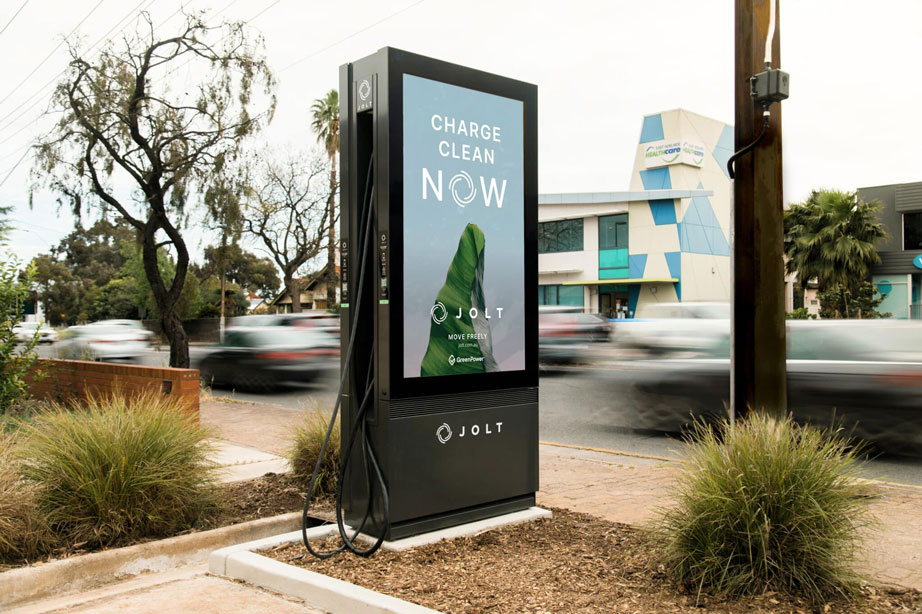
- The Wallbox (7kW): A dedicated home charger installed in your garage. It fills a standard EV overnight (approx. 6-8 hours). This is the gold standard for ownership.
Public Charging Tip: Ensure your new EV uses a CCS2 port (the standard plug). Avoid buying older second-hand imports (like early Nissan LEAFs) that use the CHAdeMO plug, as these plugs are being phased out of new infrastructure.
5. Hidden Costs: Tyres and Insurance
While EVs have almost zero engine maintenance (no oil, spark plugs, or timing belts), they aren’t free to run.
- Tyres: EVs are heavier and have instant torque, which can chew through tyres faster than a petrol car. Expect to replace them every 30,000–40,000km if you have a heavy foot.
- Insurance: Premiums can be higher for EVs due to specialized repair networks. However, savings on fuel often outweigh this increase.
- No Spare Tyre: Almost no modern EV comes with a spare tyre (to save weight/space). They rely on repair kits. If you travel regionally, consider buying a spare wheel kit.
🎓 Ready to Research Your First EV?
Choosing between a BYD Dolphin, a Tesla Model 3, or a Kia EV5 is a big decision. You need to know which one fits your garage, your budget, and your lifestyle.
Don’t navigate the specs alone.
At EV Evolution, we have built Australia’s first dedicated AI-Powered EV Chatbot. It is trained on the latest 2025/2026 data, FBT thresholds, and real-world range tests.
Ask the Chatbot today:
- “Which EVs under $50k have an LFP battery?”
- “Calculate the novated lease savings on a BYD Atto 3 for a $90k salary.”
- “Does the Kia EV5 have a spare tyre?”
About EV Evolution
EV Evolution is the leading online platform dedicated to Australian electric vehicle owners and enthusiasts. We foster a vibrant community, delivering essential EV news and insights, and enhancing user engagement through our innovative, AI-powered chatbot for dynamic discussions. Our mission is to empower Australian electric vehicle owners and enthusiasts by fostering a vibrant, AI-driven online community that connects, informs, and advances the nation’s electric vehicle landscape.