


It’s a classic Australian ritual. The first 40°C day of summer hits, and suddenly, the supermarket car parks are full of RACV or NRMA vans jump-starting dead cars. We know that heat kills traditional 12-volt lead-acid batteries.
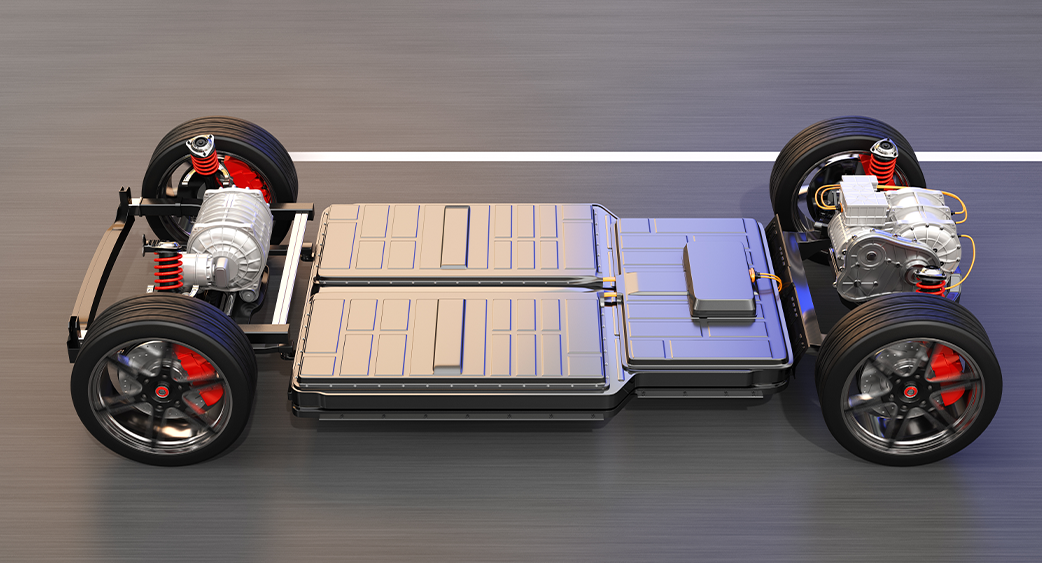
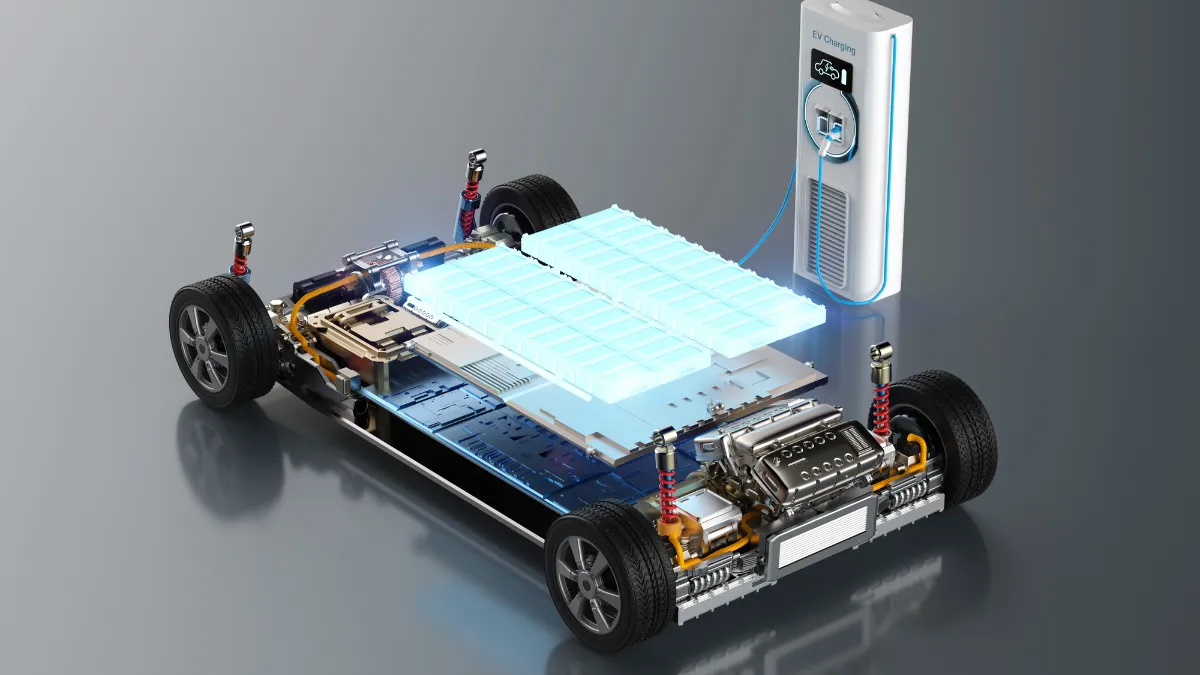
But what about the massive, high-voltage battery slab sitting underneath your new electric vehicle?
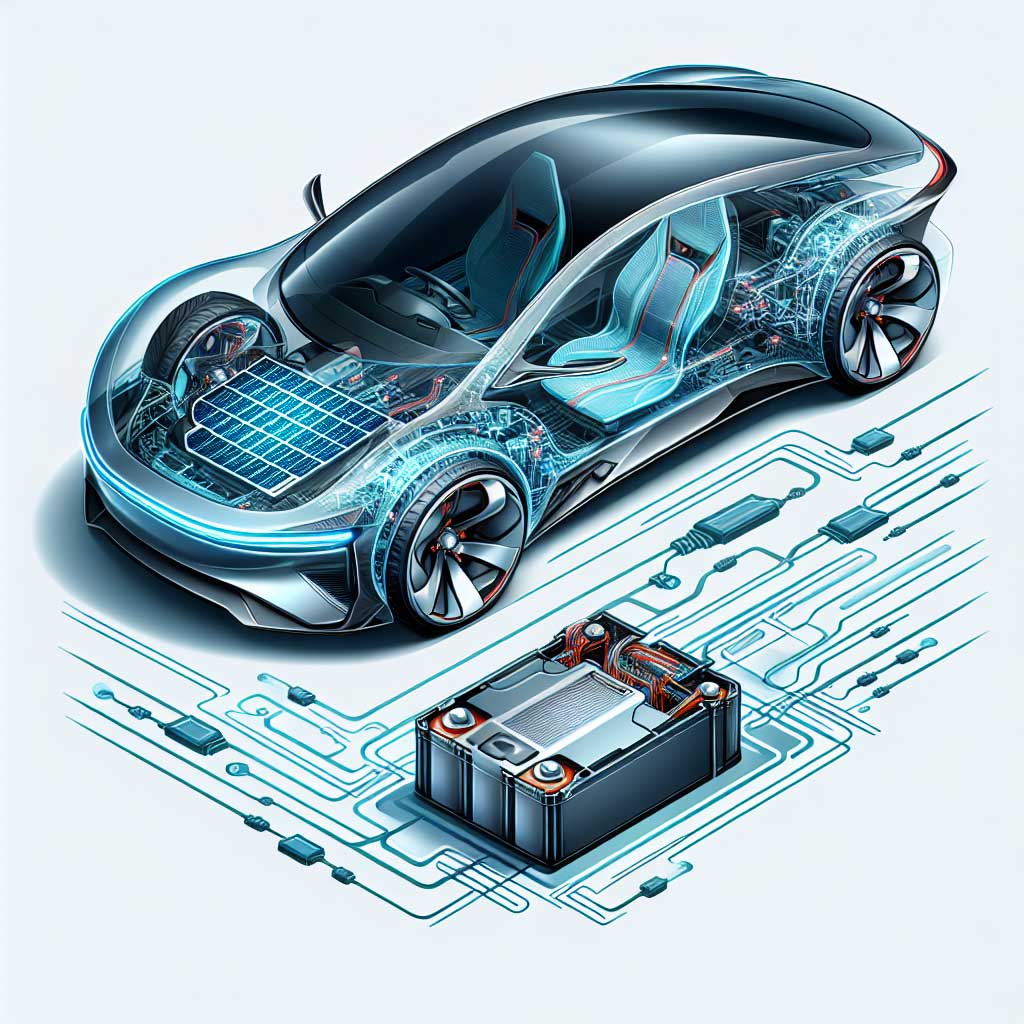
As EVs take over Australian roads, a new technical rivalry has emerged. It isn’t Ford vs. Holden anymore; it’s LFP vs. NMC. These two acronyms represent the chemical DNA of your car’s battery, and choosing the right one could be the difference between a car that degrades in the harsh Aussie sun and one that outlasts you.
At EV Evolution, we believe you shouldn’t need a chemistry degree to buy a car. Here is the definitive guide to which battery tech wins the Australian summer.
The Contenders: The Racehorse vs. The Workhorse
To understand which battery suits your driveway, you need to meet the two heavyweights fighting for dominance.
1. NMC (Nickel Manganese Cobalt)
- The Vibe: The high-performance athlete.
- Where you find it: Long-range and performance models. Think Tesla Model 3 Long Range, Polestar 2, Kia EV6, and most Hyundai Ioniq 5 variants.
- The Pros: NMC batteries are energy-dense. They pack a huge amount of power into a small, light package, giving you maximum range and blistering 0-100km/h times. They also perform brilliantly in freezing conditions (great for Europe, less critical for Brisbane).
- The Cons: They are chemically volatile. They don’t like being at 100% state of charge (SoC) for long periods, and they are sensitive to high heat.
2. LFP (Lithium Iron Phosphate)
- The Vibe: The iron workhorse.
- Where you find it: Standard range and budget-friendly models. Think BYD Atto 3, Tesla Model Y RWD, MG4 Excite, and GWM Ora.
- The Pros: Incredibly stable, cheaper to build, and ethically cleaner (no cobalt). They are heavier, but they are tough as nails.
- The Cons: Lower energy density means less range for the same physical size. They can be sluggish to charge in freezing sub-zero temperatures.
☀️ The Aussie Summer Test: Why LFP is the Heat King
Heat is the silent killer of lithium-ion batteries. High ambient temperatures accelerate chemical reactions inside the cell, leading to faster degradation (loss of range over time).
In the brutal context of an Australian summer—where road surface temperatures can exceed 50°C—LFP is the undisputed king.
The Thermal Advantage:
LFP chemistry is inherently more stable than NMC. It has a much higher thermal runaway threshold. While modern NMC cars have sophisticated liquid cooling systems to keep them safe, the battery management system (BMS) has to work overtime to keep the pack cool, using more energy.
LFP batteries are far more tolerant of the heat. They resist degradation better when sitting parked in the sun at 100% charge. For an owner in Western Sydney, regional WA, or Queensland, an LFP battery offers peace of mind that the Australian climate isn’t slowly cooking your investment.
🔌 The “Fill and Forget” Lifestyle
The biggest real-world difference between these two chemistries is how you live with them daily.
- Living with NMC: You generally need to “baby” the battery. Manufacturers recommend setting your daily charge limit to 80% to preserve battery health, only charging to 100% for long road trips. It adds a layer of mental management.
- Living with LFP: You can adopt a “Fill and Forget” mentality. In fact, manufacturers like Tesla and BYD recommend you charge LFP batteries to 100% at least once a week to calibrate the BMS.
For the average Aussie driver, LFP is liberating. You get to use the entire advertised range of your car every single day without guilt.
📉 Why Your Battery Might Outlast the Car
Here is the statistic that changes everything. It’s called Cycle Life—the number of times you can charge and discharge a battery before it loses roughly 20% of its original capacity.
- NMC Batteries: Typically rated for 1,000 to 2,000 cycles.
- LFP Batteries: Typically rated for 3,000 to 6,000+ cycles.
Let’s apply this to a BYD Atto 3 (Standard Range) with an LFP battery.
If you get 345km of real-world driving per cycle, and the battery lasts a conservative 4,000 cycles:
- 4,000 cycles x 345km = 1,380,000 km.
Yes, you read that right. 1.3 million kilometres.
Long before the battery dies, the door handles will fall off, the seat fabric will wear through, and the suspension will need replacing three times over.
While early Nissan LEAFs (which had no liquid cooling) gave EVs a bad reputation for battery death, modern LFP EVs are virtually immortal in automotive terms. Buying an LFP car isn’t just a budget choice; it’s an investment in extreme longevity.
🤖 Join the Evolution: Don’t Guess Under the Floor
The tricky part is that car manufacturers don’t always put “LFP” on the badge. A Tesla Model 3 RWD is LFP, but the Long Range is NMC. The MG4 Excite 51 is LFP, but the Essence 64 is NMC.
Do you know which tech is sitting under the floor of the car you’re about to buy?
Don’t risk buying the wrong chemistry for your climate.
At EV Evolution, we have trained our AI-Powered Chatbot to instantly identify the battery chemistry of every EV on the Australian market.
Ask the Chatbot today:
- “Show me a list of all EVs under $50k that use LFP batteries.”
- “Does the 2026 Kia EV5 Air have an LFP or NMC battery?”
- “What is the recommended daily charge limit for a BYD Seal Premium?”
About EV Evolution
EV Evolution is the leading online platform dedicated to Australian electric vehicle owners and enthusiasts. We foster a vibrant community, delivering essential EV news and insights, and enhancing user engagement through our innovative, AI-powered chatbot for dynamic discussions. Our mission is to empower Australian electric vehicle owners and enthusiasts by fostering a vibrant, AI-driven online community that connects, informs, and advances the nation’s electric vehicle landscape.