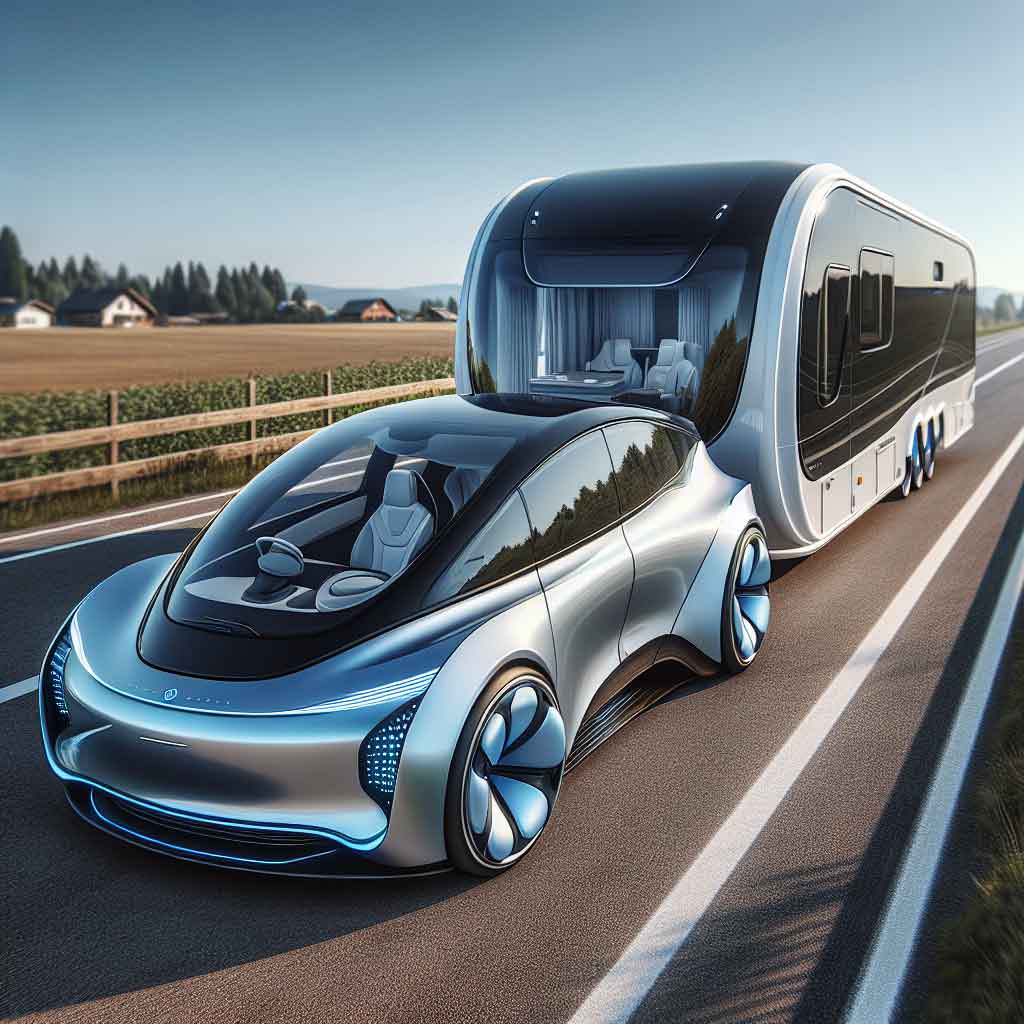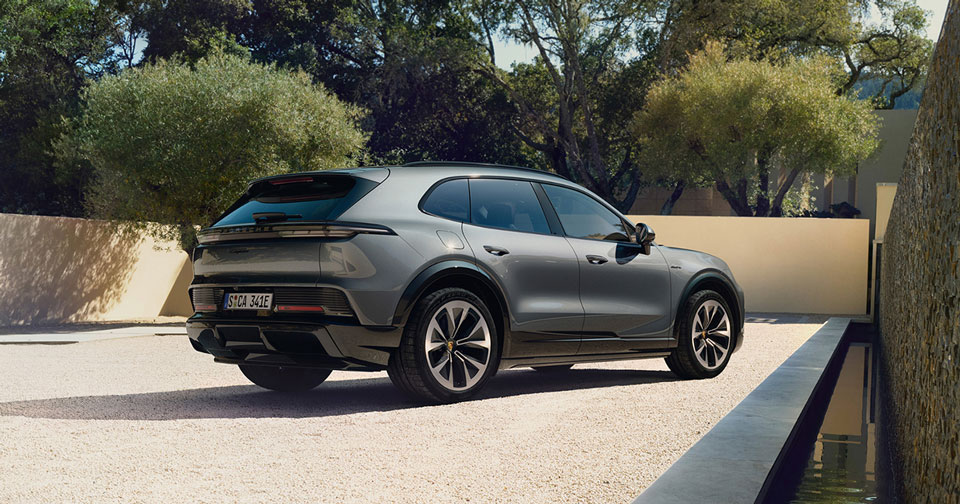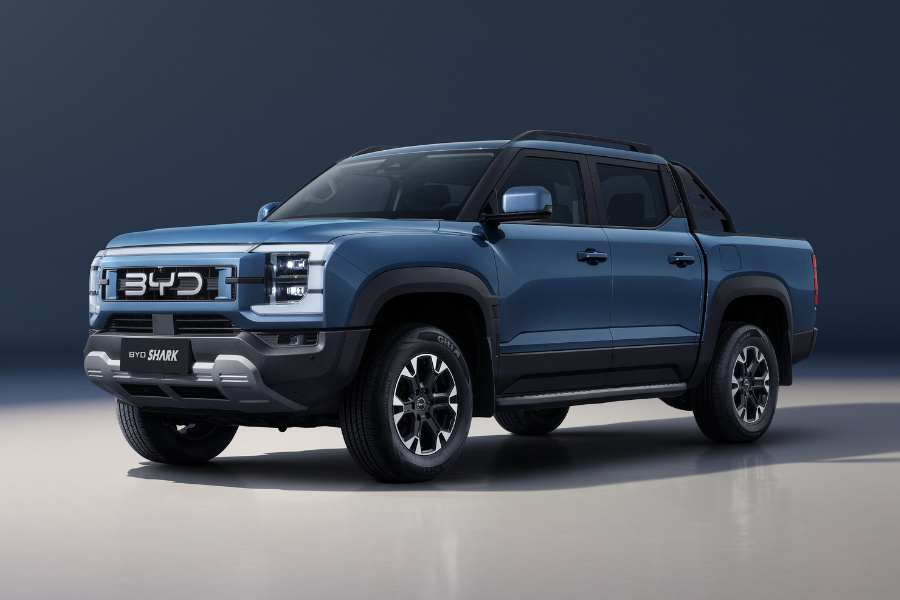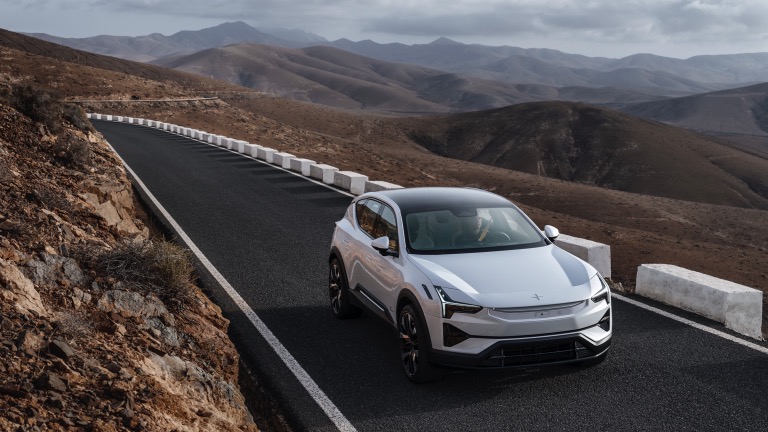


In Australia, the “Great Open Road” isn’t just a travel cliché; it’s a rite of passage. Whether it’s the annual pilgrimage to the coast with a boat in tow or a three-month lap of the map with a 2.5-tonne caravan, towing is woven into our national identity.
As we move into 2026, the question has shifted from “Will EVs ever be able to tow?” to “Can they actually do it on the highway without stopping every hour?”
At EV Evolution, we don’t believe in sugar-coating. We aren’t here to tell you that an electric vehicle is exactly like your old diesel LandCruiser. It isn’t. In some ways, it’s significantly better; in others, it requires a complete rethink of your travel physics.
Here is the honest, unvarnished truth about towing with an EV in Australia.
📉 The “50% Rule”: Honesty About Range Loss
Let’s lead with the most important data point: Aerodynamics matter more than weight.
In a petrol or diesel car, you might see your fuel consumption jump from $10L/100km$ to $18L/100km$ when towing a large caravan—roughly an 80% increase. In an EV, that energy spike is even more pronounced because electric motors are so incredibly efficient to begin with. When you add a massive, non-aerodynamic box (a caravan) behind a slippery, aerodynamic car, the “wind wall” you have to push through is immense.
The Reality: You should plan for a 45% to 55% reduction in range when hauling a full-height caravan at highway speeds ($100km/h$).
If your EV has a standard range of 500km, you are looking at roughly 230km to 250km between charges while towing. This isn’t a “failure” of the car; it is a law of physics.
The Math of Momentum
If we look at the energy consumption formula, the drag force ($F_d$) increases with the square of the velocity ($v$):
$$F_d = \frac{1}{2} \rho v^2 C_d A$$
Where:
- $\rho$ is the air density.
- $C_d$ is the drag coefficient.
- $A$ is the frontal area.
By doubling the frontal area ($A$) and increasing the drag coefficient ($C_d$) with a caravan, the energy required to maintain $100km/h$ sky-rockets. This is why “Aero-caravans” and pop-tops are becoming the new best friends of EV towers.
🏆 The Heavy Hitters: 2025/2026 Towing Kings
While early EVs were limited to small box trailers, the current crop of “Heavy Hitters” has arrived with the muscle to handle genuine Australian loads.
1. The BMW iX (2,500kg Capacity)
The BMW iX remains the gold standard for luxury towing. With a 2,500kg braked towing capacity, it can handle a substantial dual-axle caravan.
- The EV Evolution Angle: Because the iX is incredibly heavy itself (over 2.5 tonnes), it provides a rock-solid towing platform. You don’t get the “tail wagging the dog” feeling often found in lighter petrol SUVs. The instant $765Nm$ of torque means you’ll pull away from traffic lights faster than most unladen sports cars.
2. The Kia EV9 (2,500kg Capacity)
The EV9 has become the “Electric LandCruiser” for many families. It matches the BMW’s 2.5-tonne limit but adds the practicality of seven seats and a more rugged chassis.
- Real World Tip: Owners are reporting that when towing a 2-tonne van, they achieve roughly $35\text{–}40kWh/100km$. With its massive $99.8kWh$ battery, you can comfortably cover $220km$ of regional NSW or Victoria before needing a high-speed top-up.
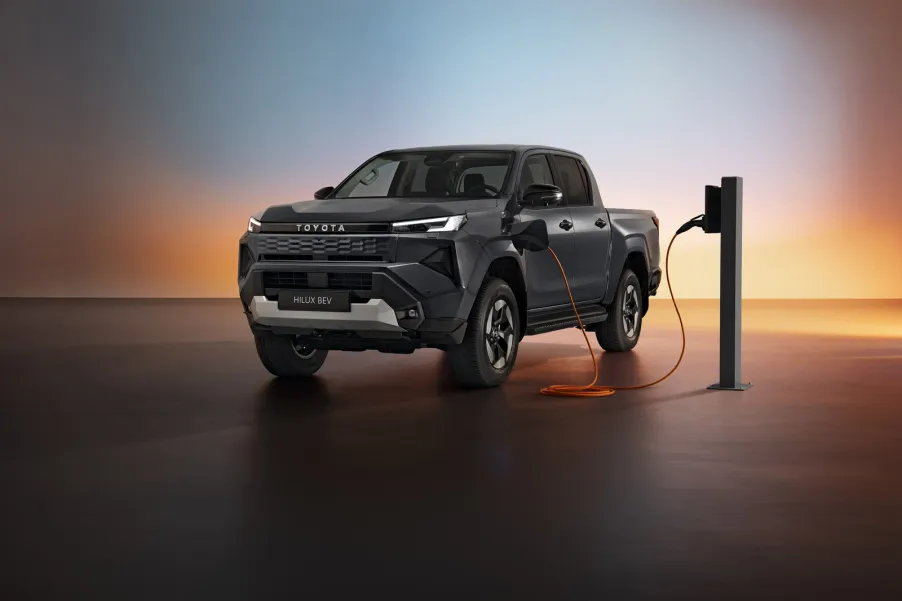
3. The 2026 Toyota HiLux BEV (2,000kg Capacity)
The most anticipated arrival of 2026 is the electric HiLux. While the traditional diesel HiLux is famous for its 3,500kg limit, the first-generation BEV (Battery Electric Vehicle) is targeting a 2,000kg towing capacity.
- The Trade-off: Toyota is being transparent—this first electric HiLux is designed for “Urban and Fleet” work. If you’re a tradie towing a tool trailer around town or a local council hauling mowers, it’s a game-changer. For a lap of the continent? You might want to wait for the solid-state battery versions later in the decade.
🔌 The Infrastructure: “Pull-Through” is the Future
The biggest headache for EV towing hasn’t been the car—it’s been the chargers. Historically, chargers were designed like supermarket parking spots: you nose-in, which means you have to unhitch your trailer every time you need to charge.
The Good News: Australia is finally catching up.
In 2025 and 2026, major charging networks like Evie, Chargefox, and the NRMA are prioritizing “Pull-Through” bays. Sites like the New Italy Supercharger in NSW (voted 2025 Charging Station of the Year) specifically feature long bays designed for cars with trailers.
⚖️ The Head-to-Head: Kia EV9 vs. Ford Ranger PHEV
If you aren’t quite ready for a “pure” EV tow-rig, 2026 offers a middle ground: the Plug-in Hybrid (PHEV).
| Feature | Kia EV9 (BEV) | Ford Ranger PHEV |
| Towing Capacity | 2,500kg | 3,500kg |
| Pure EV Towing Range | ~220km | ~30-40km |
| Total Range (Towing) | ~220km (then charge) | ~400km (then petrol) |
| Torque | Instant & Silent | Instant Electric + Turbo Petrol |
EV Evolution Verdict: If you are towing a 3-tonne “monster” caravan across the Hay Plain, the Ford Ranger PHEV is the pragmatic choice for 2026. However, if you tow a sub-2-tonne camper and do 90% of your driving unladen around the city, the Kia EV9 offers a superior driving experience and zero fuel costs.
🏁 Final Thought: Towing is Better, Just Different
Towing with an EV is a revelation in control.
- Regenerative Braking: Instead of cooking your brakes on a long descent down the Great Dividing Range, the EV uses the weight of the caravan to charge the battery.
- Center of Gravity: Having a 600kg battery between the wheels makes the car incredibly stable in crosswinds.
Yes, you have to plan your stops. Yes, you will spend an extra 30 minutes at a charger every 200km. But you will arrive at your destination without the fatigue of a noisy diesel engine and with a much fatter wallet.
🤖 Join the Evolution: Crunch the Towing Numbers
Towing math is specific to your load. A 1,500kg boat is a very different beast to a 2,500kg caravan.
Don’t guess your range.
At EV Evolution, our AI has been fed real-world “Tow-Test” data from across Australia.
Ask the Chatbot today:
- “Compare the estimated towing range of the Kia EV9 vs. the Ford Ranger PHEV with a 2-tonne load.”
- “What is the closest ‘pull-through’ EV charger to Coffs Harbour?”
- “What is the actual payload capacity of the 2026 Toyota HiLux BEV when towing 1.5 tonnes?”
About EV Evolution
EV Evolution is the leading online platform dedicated to Australian electric vehicle owners and enthusiasts. We foster a vibrant community, delivering essential EV news and insights, and enhancing user engagement through our innovative, AI-powered chatbot for dynamic discussions. Our mission is to empower Australian electric vehicle owners and enthusiasts by fostering a vibrant, AI-driven online community that connects, informs, and advances the nation’s electric vehicle landscape.