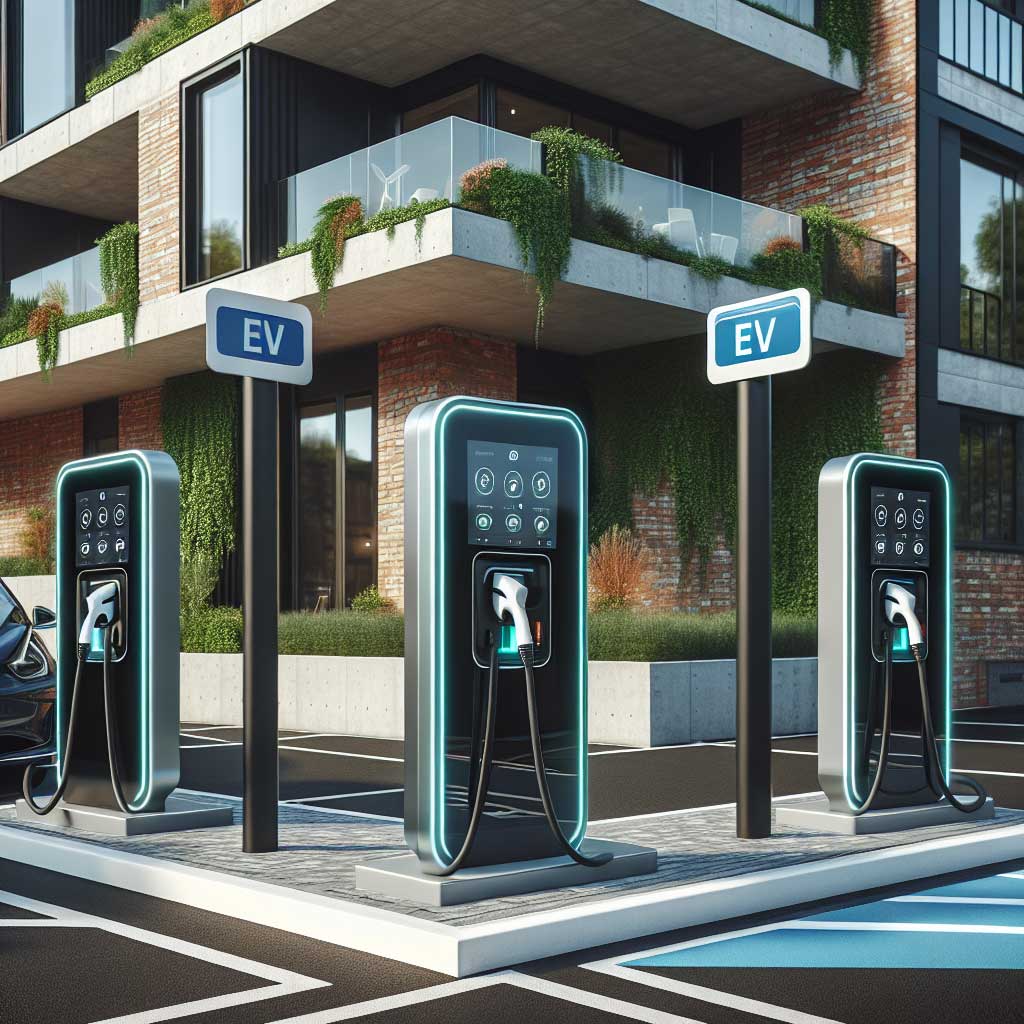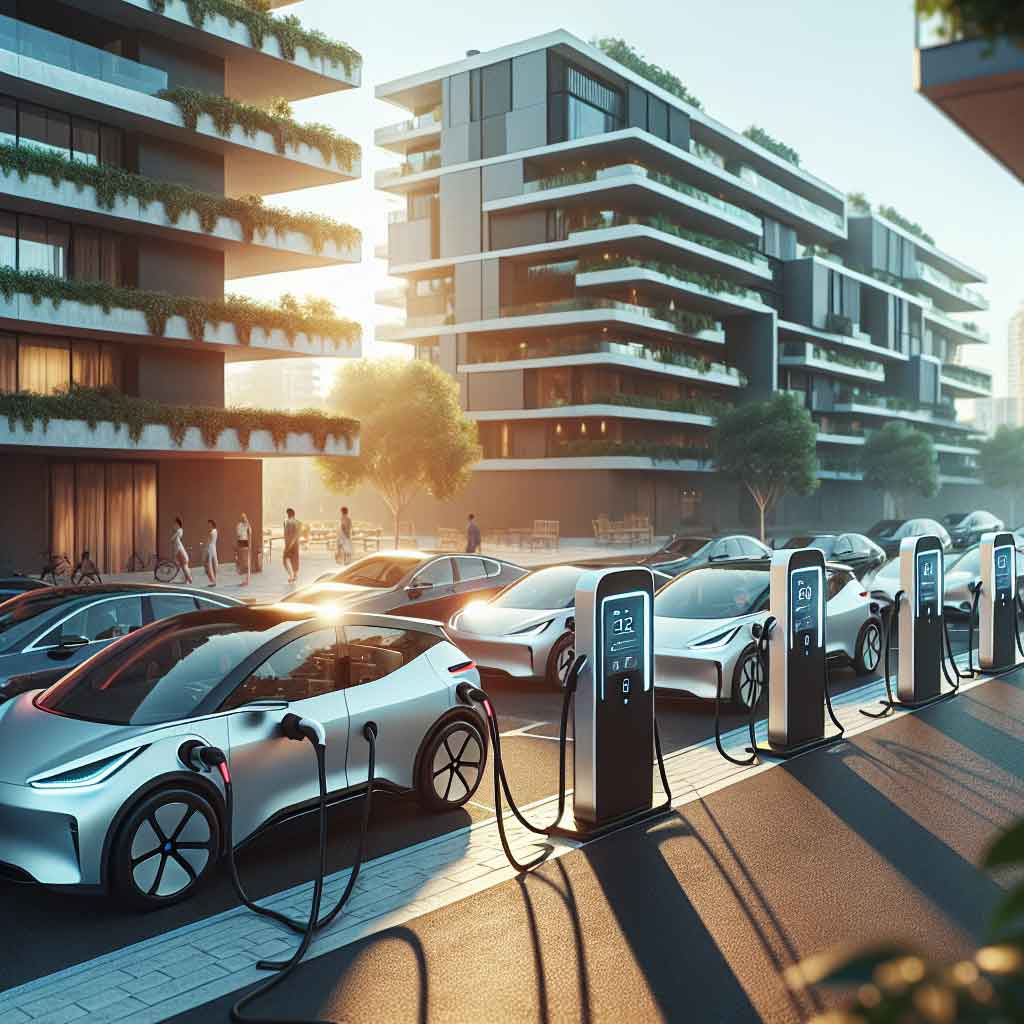



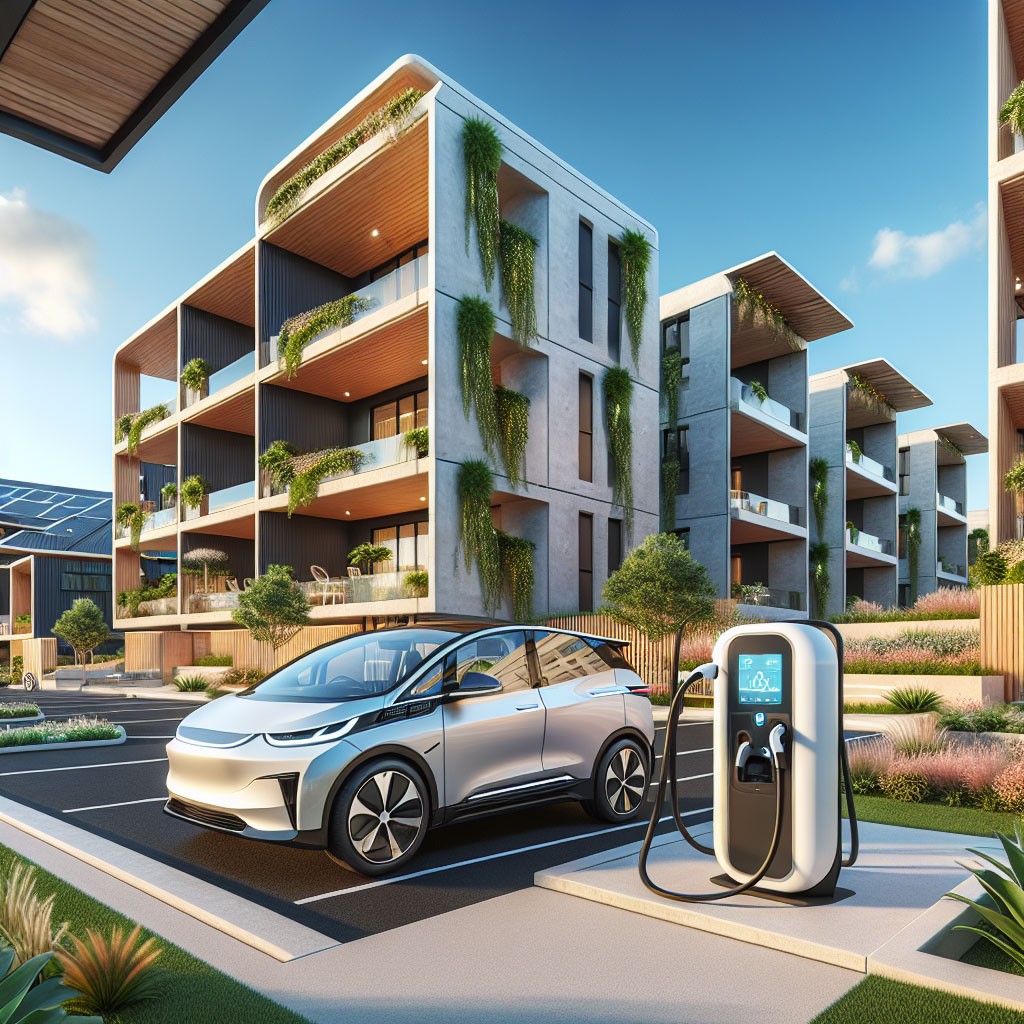
For the longest time, owning an electric vehicle in Australia felt like an exclusive club for people with three-car garages and suburban driveways. If you lived in an apartment—or a “flat,” as we’d say after a few too many—you were essentially told to “wait and see.”
Well, it’s January 2026, and the wait is officially over.
This is the year that apartment charging shifts from a “nice-to-have” luxury to a standard utility, right alongside NBN and running water. At EV Evolution, we’ve seen the tide turn. Thanks to sweeping legislative changes in NSW and Victoria, the “strata wall” is finally crumbling. If you’ve been holding off on buying that Tesla or BYD because you didn’t want to pick a fight with your strata committee, it’s time to dust off those plans.
2026: The “Right to Charge” Revolution
The biggest hurdle for apartment owners has always been the dreaded “unreasonable refusal.” You’d present a perfectly sensible plan to install a charger in your titled car space, only to have a committee member shut it down because they “didn’t like the look of the cables” or were worried about the building catching fire (spoiler: it won’t).
As of late 2025 and into 2026, the legal landscape has been flipped on its head.
The NSW Win: No More Unreasonable Noes
Under the Strata Schemes Legislation Amendment Act 2025, New South Wales has taken a massive leap forward. The law now explicitly states that an owners corporation must not unreasonably refuse a lot owner’s request to install EV charging infrastructure.
What does “unreasonable” mean? In 2026, the courts and tribunals have made it clear: you can’t say no just because you think EVs are a fad. Valid reasons are now limited to genuine structural issues or severe electrical capacity constraints that can’t be managed with a smart load-management system. Even better, the 2025 reforms have banned bylaws that block solar or EV infrastructure purely for “aesthetic reasons.” Your strata committee can no longer tell you “no” just because they think a wall-box looks a bit “techy” for the basement.
Victoria: Sustainability is the Standard
In Victoria, the push has been just as strong. The state’s focus on sustainability infrastructure means that EV chargers are now viewed through the same lens as solar panels. While you still typically need a special resolution (75% vote) for changes to common property, the Owners Corporations Act is increasingly being interpreted to support “green” upgrades. If a committee blocks a user-pays EV setup without a bulletproof technical reason, they risk being hauled before VCAT for obstructing sustainability.
The Strata Success Roadmap: How to Get to “Yes”
At EV Evolution, we know that even with the law on your side, strata meetings can still feel like arguably the most fun you can have on a Tuesday night—provided you enjoy lukewarm tea and three-hour debates over bin lid colours.
To bypass the drama, you need a strategy. Here is the 2026 blueprint for strata success.
1. The Energy Audit (Don’t Guess, Measure)
Before you even whisper the word “Tesla” at a meeting, get a professional electrical capacity audit. Most buildings built before 2010 weren’t designed to have 50 cars charging at once.
- The Fix: Modern Load Management Systems (LMS). These “smart” systems talk to the building’s main switchboard. They ensure that if everyone is using their ovens and air-cons at 6:00 PM, the car chargers slow down or pause, then ramp back up at midnight. This avoids the $50,000 “transformer upgrade” that usually scares committees into saying no.
2. The “User-Pays” Principle
The quickest way to get a “no” is to make your neighbours think they are subsidising your fuel.
- The Pitch: Ensure your proposal includes individual sub-metering. Companies like Jet Charge or EVOS offer software that tracks exactly how many kilowatt-hours your car sucks up and bills you directly. Not a single cent of the “common” electricity fund should go toward your commute.
3. The $10 Million Carrot (NSW Specific)
If you’re in NSW, the EV Ready Buildings Grant has been a game-changer. Although rounds have been competitive, the 2025/26 funding cycles have focused on retrofitting older Class 2 buildings. If your building is eligible, the government could co-fund up to 80% of the common infrastructure costs (up to $80,000). Remind your committee that this isn’t just for you—it’s about future-proofing the building’s resale value for everyone.
Debunking the “Basement Fire” Myth
We still hear it in 2026: “But what if the battery explodes?” Let’s be intellectually honest—fire safety is important, but the fear-mongering around EVs in basements has been largely debunked by Fire and Rescue NSW and other experts.
The Reality: Modern EVs are no more likely to catch fire than an internal combustion engine (ICE) car. In fact, many studies suggest they are less likely. New 2026 standards require chargers to be installed by certified EV specialists who adhere to strict AS/NZS 3000 wiring rules. Pointing your committee to the latest Fire Safety in Strata guidelines is often the “silver bullet” that ends the argument.
Why EV Evolution Cares
We aren’t just here to talk about cars; we’re here to help you live with them. At EV Evolution, we believe that “range anxiety” shouldn’t start in your own basement. We want to see an Australia where every parking spot—whether it’s in a Bondi high-rise or a Southbank apartment—is a charging spot.
A building that embraces EV charging in 2026 is a building that is protecting its capital value. As petrol cars become the “old tech,” an apartment without a charger will soon be as hard to sell as an apartment without high-speed internet.
Conclusion: Take the Lead
Installing a home EV charger in an apartment isn’t just about plugging in your car; it’s about navigating a community. With the 2025 Strata Reforms now in full swing, you have more power than ever before to make it happen. You don’t need a PhD in electrical engineering—you just need a clear plan and the right tone.
Which is where we come in.
🤖 Let Our AI Handle the Paperwork
The most daunting part of this whole process? Writing that first formal letter to the Strata Committee or the Owners Corporation. You want to sound professional, informed, and legally savvy—without sounding like you’re looking for a fight.
Start a conversation with the EV Evolution AI chatbot! Our AI is fully updated with the latest 2026 NSW and VIC strata regulations and can help you kickstart the process in seconds.
Ask our AI chatbot to do the heavy lifting for you:
- “Draft a letter to my strata committee for EV charger approval.”
- “Explain the NSW 2025 Strata Reform ‘unreasonable refusal’ rule to my building manager.”
- “Write a motion for our next AGM to install shared EV charging in the visitor bays.”
- “What are the specific requirements for a load-management system in a 40-unit building?”
Click the chat icon to get your custom letter drafted today. Let’s get your building EV-ready so you can wake up every morning with a full “tank” and a clear conscience.
About EV Evolution
EV Evolution is the leading online platform dedicated to Australian electric vehicle owners and enthusiasts. We foster a vibrant community, delivering essential EV news and insights, and enhancing user engagement through our innovative, AI-powered chatbot for dynamic discussions. Our mission is to empower Australian electric vehicle owners and enthusiasts by fostering a vibrant, AI-driven online community that connects, informs, and advances the nation’s electric vehicle landscape.