


In the “old days”—you know, like five years ago—buying a used car in Australia was all about checking the logbook, kicking the tyres, and making sure the oil wasn’t the consistency of Vegemite. But as we roll into January 2026, the “High-Stakes” game of the second-hand market has a new MVP: the battery.
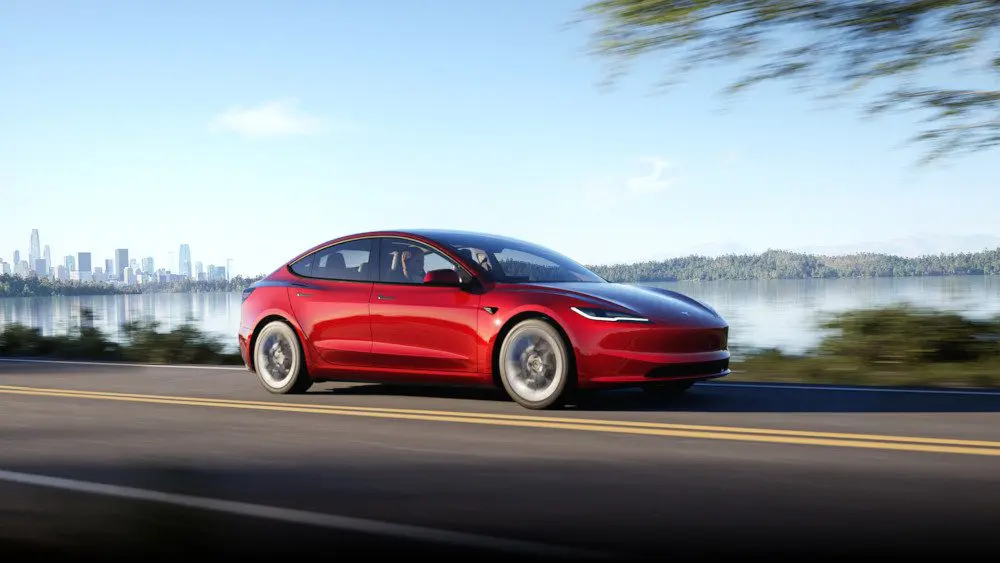
If you’re looking at a three-year-old Tesla Model 3 or a BYD Atto 3, the odometer is almost irrelevant. A car with 80,000km could have a healthier battery than one with 30,000km if the former was pampered with slow home charging while the latter spent its life baked in the Sunbury sun on a 350kW fast charger.
The good news? The “Black Box” era is over. Independent battery testing has officially become the standard in 2026. At EV Evolution, we’re seeing EV battery health certificates becoming as common as a RWC (Roadworthy Certificate). But here’s the rub: if someone hands you a report, do you actually know what you’re looking at?
Let’s dive into the SoH and learn how to spot a “Budget Beauty” from a “Battery Bust.”
What is SoH? (The Odometer of the 21st Century)
The most important acronym in your vocabulary right now is SoH—State of Health.
Think of SoH as the “Maximum Capacity” percentage you see in your iPhone settings. It’s a comparison between how much energy the battery can hold now versus what it could hold when it first rolled off the ship at Port Melbourne.
- 100% SoH: A brand-new battery.
- 92% SoH: It has lost 8% of its original capacity due to battery degradation.
- 70-80% SoH: This is usually the “warranty floor.” Most manufacturers (like Hyundai and MG) guarantee the battery won’t drop below 70% within 8 years or 160,000km.
The 2026 Reality Check: Data from Aussie auction houses like Manheim and Pickles shows that the average 3-year-old EV in Australia sits around 91% to 94% SoH. If you see a report significantly lower than that, it’s time to start asking questions about how it was treated.
The Anatomy of an Independent Report
In 2026, you shouldn’t just trust the little “bars” on the dashboard. Independent providers like Aviloo (partnered with the NRMA) or TestMyEV provide a multi-page EV battery health certificate. Here are the three sections you need to hunt down:
1. The Capacity Score
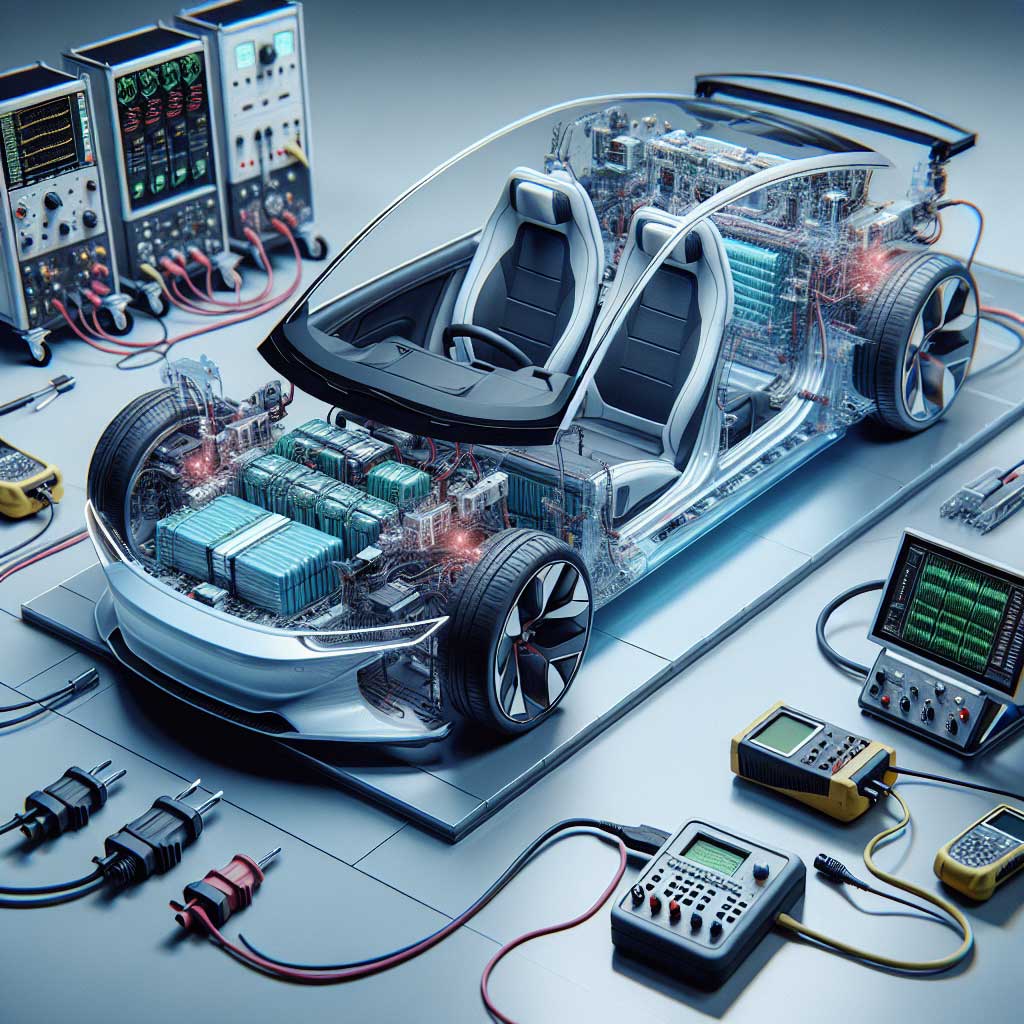
This is the big number. It’s usually a percentage based on a “Load Test.” Unlike the car’s own computer (the BMS), which often “guesses” based on recent driving, an independent test draws a specific amount of power to see how the cells actually react.
- Pro Tip: Look for a “Benchmarking” chart. This compares the car you’re looking at against thousands of others of the same model. If the car is in the “Green Zone,” you’re golden.
2. Cell Voltage Deviation (The “Heartbeat”)
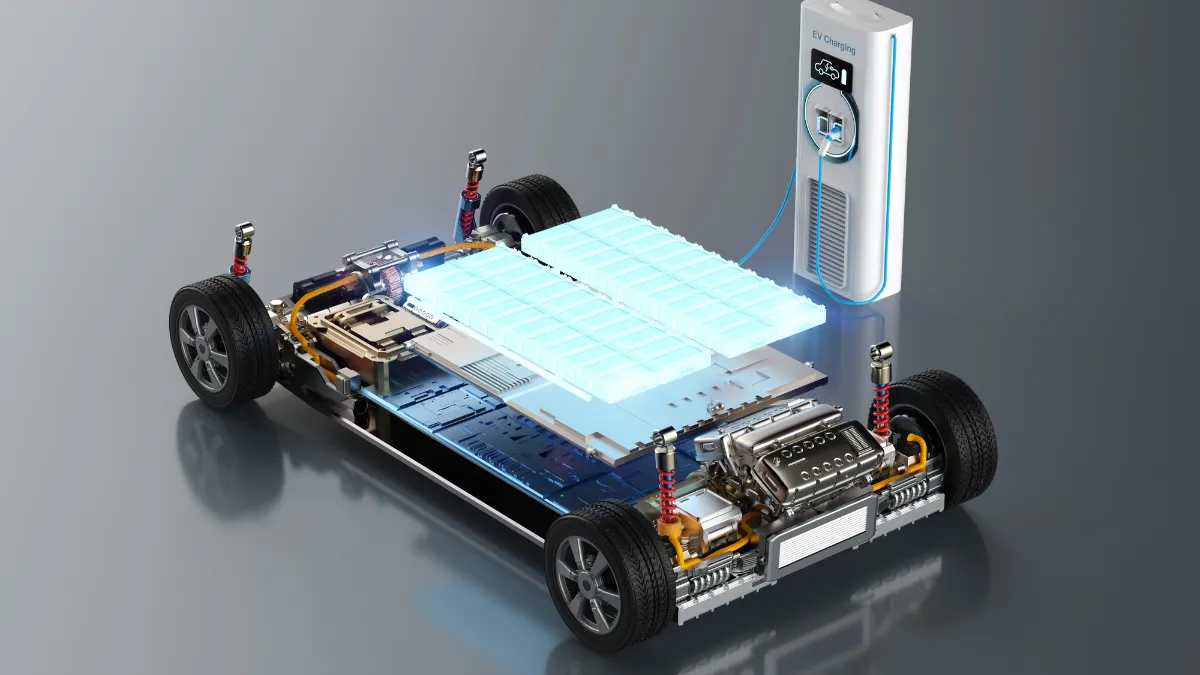
An EV battery isn’t one giant block; it’s thousands of tiny cells. If one cell is “lazy” and has a lower voltage than the others, it can drag the whole pack down.
- What to look for: You want to see a “Delta V” (voltage difference) that is as small as possible. If the report shows a high “cell imbalance,” it means the battery might be prone to sudden range drops when you get below 20% charge.
3. Thermal History & Cycles
This is where the “secrets” come out. Some 2026 reports now show how often the battery has been over 45°C. In the Australian summer, heat is the #1 enemy of lithium-ion.
- The Red Flag: A car that has spent a significant portion of its life at high temperatures or has a very high “DC Fast Charge” ratio (e.g., 80% fast vs 20% home) will generally have a more fragile “internal resistance” profile.
Why Dashboards Lie: The “Buffer” Factor
At EV Evolution, we’re all about intellectual honesty. One reason you need an independent report is that manufacturers are clever. Most EVs have a “Buffer”—extra battery capacity that is locked away and un-useable.
When a battery is new, the car might only use 90% of its physical capacity. As the battery degrades, the car “unlocks” bits of that buffer to keep the dashboard saying “100% Health” for as long as possible.
An independent certificate peers behind the curtain. It tells you the true physical state of the lithium, not just the “marketing version” the car’s software wants you to see.
The “Aussie Summer” Battery Degradation Guide
Let’s be real: a Tesla in Hobart is going to age differently than one in Townsville. Our climate is unique, and our battery degradation guide for 2026 reflects that:
- Cool/Temperate (TAS, VIC, Southern WA): Expect roughly 1.5% loss per year. These batteries love the cool air and tend to hold their SoH beautifully.
- Hot/Humid (QLD, NT, Northern NSW): Expect 2% to 2.5% loss per year if the car is parked outdoors.
- The Liquid Cooling Edge: If you’re buying an older EV, make sure it has active liquid cooling. Modern cars (like the 2026 BYD Shark or Porsche Cayenne) handle the heat fine. Older, air-cooled cars (like the early Nissan Leafs) can see much faster degradation in the Aussie outback.
How to Ask for a Report (Without Being a Nuisance)
If you’re buying privately, don’t be afraid to ask: “Can we get an independent SoH certificate before I transfer the funds?”
In 2026, many mobile services (like TestMyEV) will come to the seller’s house, plug a dongle into the OBD port, and email you both the report within 15 minutes for about $200-$300. It is, quite frankly, the cheapest insurance policy you’ll ever buy. If a seller refuses to let you test the battery, that’s your signal to “tell ‘em they’re dreamin’” and walk away.
Conclusion: Data is Power
The electric transition is about more than just saving on petrol; it’s about having a smarter relationship with your vehicle. By 2026, we’ve moved past the fear of “dead batteries” because we finally have the tools to see exactly how much life is left.
A used EV with a 94% SoH certificate is arguably a better buy than a brand-new petrol car, simply because you know exactly what you’re getting for the next ten years.
🤖 Ask Our AI: Find Your Local Diagnostic Pro
Don’t wander around the industrial estates of your city looking for a battery expert. We’ve mapped out the most reputable, independent testing centres across the country.
Start a conversation with the EV Evolution AI chatbot! Our AI has a live directory of certified battery diagnostic providers, from NRMA-approved patrols in NSW to specialized workshops in Perth and Adelaide.
Ask our AI chatbot these specific questions:
- “Where is the nearest battery diagnostic centre in my city?”
- “What is the cost of an Aviloo battery test in Brisbane?”
- “Can the AI draft a request to a seller asking for a battery health check?”
- “How do I read the cell deviation chart on my specific certificate?”
Click the chat icon and get the facts before you sign the papers. Let’s make sure your next EV is as healthy as it looks.
About EV Evolution
EV Evolution is the leading online platform dedicated to Australian electric vehicle owners and enthusiasts. We foster a vibrant community, delivering essential EV news and insights, and enhancing user engagement through our innovative, AI-powered chatbot for dynamic discussions. Our mission is to empower Australian electric vehicle owners and enthusiasts by fostering a vibrant, AI-driven online community that connects, informs, and advances the nation’s electric vehicle landscape.