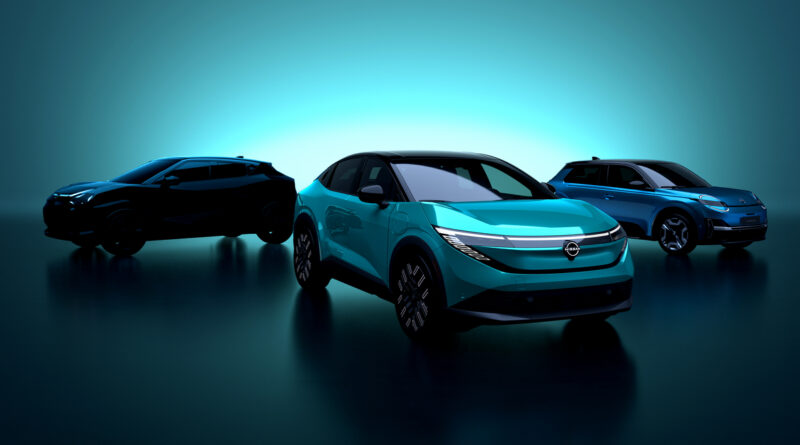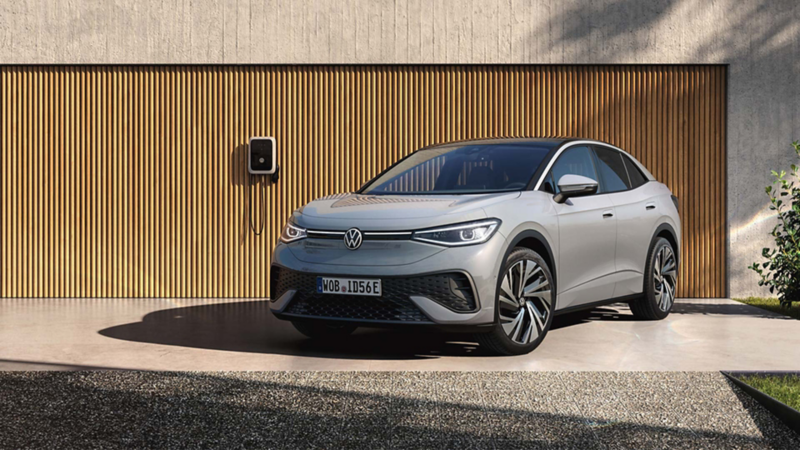



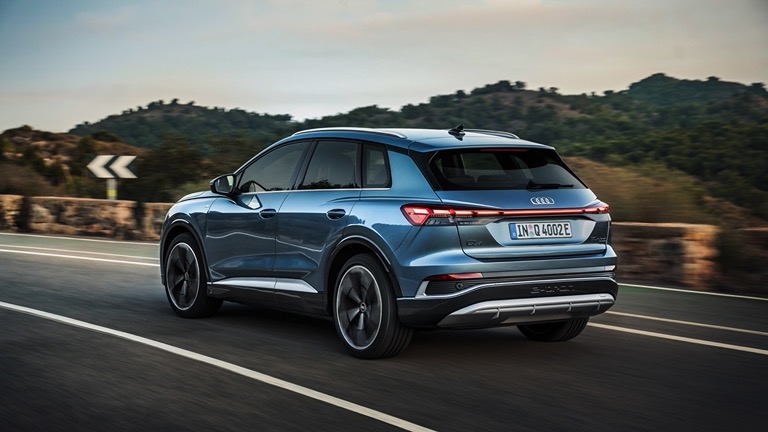
If you’ve walked onto a car dealership lot lately or scrolled through the “New Car” section of Carsales, you might have noticed something a bit different. The price tags on those big, thumping diesel utes aren’t looking quite as friendly as they used to, while the latest electric hatchbacks are suddenly becoming… well, almost affordable.
No, it’s not just “market forces” or a random sale. We are officially in the era of the New Vehicle Efficiency Standard (NVES).
Welcome to 2026, the year when Australia finally stopped being the world’s dumping ground for thirsty, high-emission engines. At EV Evolution, we’ve been watching this policy develop like a hawk. It’s the biggest shake-up to the Australian automotive landscape in forty years, and if you’re planning on buying a new set of wheels this year, you need to know how it’s going to hit your hip pocket.
NVES Australia Explained: The “Carrot and Stick”
For a long time, Australia was one of the only developed nations without mandatory fuel efficiency standards. While Europe and the US were forcing car brands to make cleaner engines, we were essentially saying, “Yeah, nah, just send us the old stuff.”
The NVES changed that. Here’s the “Plain English” version: The government doesn’t tax you—they set a “CO2 Speed Limit” for car manufacturers.
Each brand (Toyota, Ford, BYD, etc.) is given a target for the average emissions of all the cars they sell in a year.
- The Carrot: If a brand sells a lot of low-emission cars (EVs and Hybrids), they earn “credits.”
- The Stick: If they sell mostly heavy, “dirty” diesels that exceed the limit, they get hit with a penalty—roughly $100 for every gram of CO2 they are over the limit, multiplied by the number of cars they sell.
In 2026, those limits are tightening. For passenger cars, the target has dropped to 117g/km, and for Light Commercial Vehicles (utes and vans), it’s 180g/km.
Why Your 2026 Car Prices Are Changing
So, how does this affect the sticker price on the showroom floor? It comes down to how different brands play the game.
1. The “Diesel Dilemma”
For the brands that rely heavily on dual-cab utes and large 4WDs, the NVES is a massive challenge. A traditional diesel ute might emit 210g/km of CO2. In 2026, that’s 30 grams over the limit. Without offsetting those sales with EVs, a manufacturer could be looking at a $3,000 penalty per vehicle.
Some brands are choosing to “eat” that cost to stay competitive, but others are passing it directly to the consumer. This is why you’re seeing car price changes 2026 reflected in “Efficiency Adjustments” on certain diesel models.
2. The “EV Advantage”
On the flip side, brands like BYD, Tesla, and MG are sitting on a mountain of credits. Because an EV produces 0g/km at the tailpipe, every EV sold helps “cancel out” the emissions of other cars in a manufacturer’s fleet.
In a competitive market, these brands are using their “credit surplus” to lower their prices and grab market share. It’s why we’re seeing a surge in electric cars under $30,000 this year—the NVES has effectively made EVs the “price leaders” of the Australian market.
The “Ute Tax” Myth vs. Reality
Let’s address the elephant in the room: the so-called “Ute Tax.” You’ve probably heard some heated talk at the pub about how the government is trying to kill off the HiLux and the Ranger.
At EV Evolution, we prefer to look at the data. The NVES hasn’t banned utes. Far from it. What it has done is force the big players to innovate. In 2026, we’ve seen the arrival of the BYD Shark, the Ford Ranger PHEV, and more efficient “Mild Hybrid” diesel engines.
The reality isn’t that utes are disappearing; it’s that the “lazy” V8s and older diesel tech are being priced out in favour of smarter, more efficient alternatives. If you really want that high-emission V8, you can still buy it—you just might have to pay a premium to cover the manufacturer’s penalty.
The Hidden Winner: Your Long-Term Budget
While much of the media focus has been on the purchase price, the real story of the fuel efficiency standards is what happens after you drive out of the dealership.
By forcing manufacturers to bring their most efficient engines to Australia, the NVES is estimated to save the average Aussie driver around $1,000 a year in fuel. Over the life of a car, that’s $10,000 back in your pocket.
At EV Evolution, we’re seeing a massive shift in “Total Cost of Ownership” (TCO) conversations. In 2026, a $45,000 EV is actually “cheaper” than a $38,000 petrol hatch when you factor in that you aren’t being held hostage by global oil prices every time you visit the servo.
The Trusted Guide
Navigating the 2026 car market can feel like trying to read a map in a dust storm. There is a lot of misinformation out there. Our stance at EV Evolution is simple: The NVES is a long-overdue win for Australian consumers.
We’ve moved past the “dumping ground” era. We finally have access to the same high-tech, low-fuel-cost cars that Europe has enjoyed for a decade. Whether you’re a tradie looking for a hybrid that won’t break the bank at the pump, or a city commuter looking for the cheapest EV Australia 2026, the new standards are working in your favour by driving competition and lowering running costs.
Summary: What Should You Buy in 2026?
If you’re in the market for a new car this year, here’s our “Evolutionary” advice:
- Look at the Grams: Every new car brochure now lists the CO2 g/km. The lower that number, the less “price pressure” there is on that vehicle.
- Consider the Offset: If you’re buying a brand that sells only EVs, you’re likely getting a better deal because they aren’t trying to recover penalties from their petrol models.
- Don’t Fear the Tech: Hybrid and Plug-in Hybrid (PHEV) utes are the “sweet spot” for 2026. They keep the towing capacity you need while dodging the heaviest NVES penalties.
The Australian car market is evolving. It’s cleaner, it’s more efficient, and while the transition can be a bit bumpy, your wallet will thank you in the long run.
🤖 Plan Your Savings with Our AI Chatbot
The NVES isn’t just about spreadsheets and government policy—it’s about your weekly budget. The difference between a “Standard” 2026 petrol car and a 2026 EV could be the difference between a holiday this year or staying home.
Start a conversation with the EV Evolution AI chatbot! We’ve loaded our AI with the latest fuel price data and the 2026 NVES efficiency ratings for every major model.
Try asking our AI these specific questions:
- “How much will I save in fuel by switching to an EV under the new standards?”
- “What is the NVES penalty on a 2026 Toyota HiLux compared to a Ford Ranger?”
- “Which 2026 SUVs have the lowest CO2 emissions for their size?”
- “Compare the 5-year running costs of a petrol SUV versus a 2026 budget EV.”
Click the chat icon and get a personalized savings breakdown. Let’s make sure your next car is an investment, not a liability.
About EV Evolution
EV Evolution is the leading online platform dedicated to Australian electric vehicle owners and enthusiasts. We foster a vibrant community, delivering essential EV news and insights, and enhancing user engagement through our innovative, AI-powered chatbot for dynamic discussions. Our mission is to empower Australian electric vehicle owners and enthusiasts by fostering a vibrant, AI-driven online community that connects, informs, and advances the nation’s electric vehicle landscape.