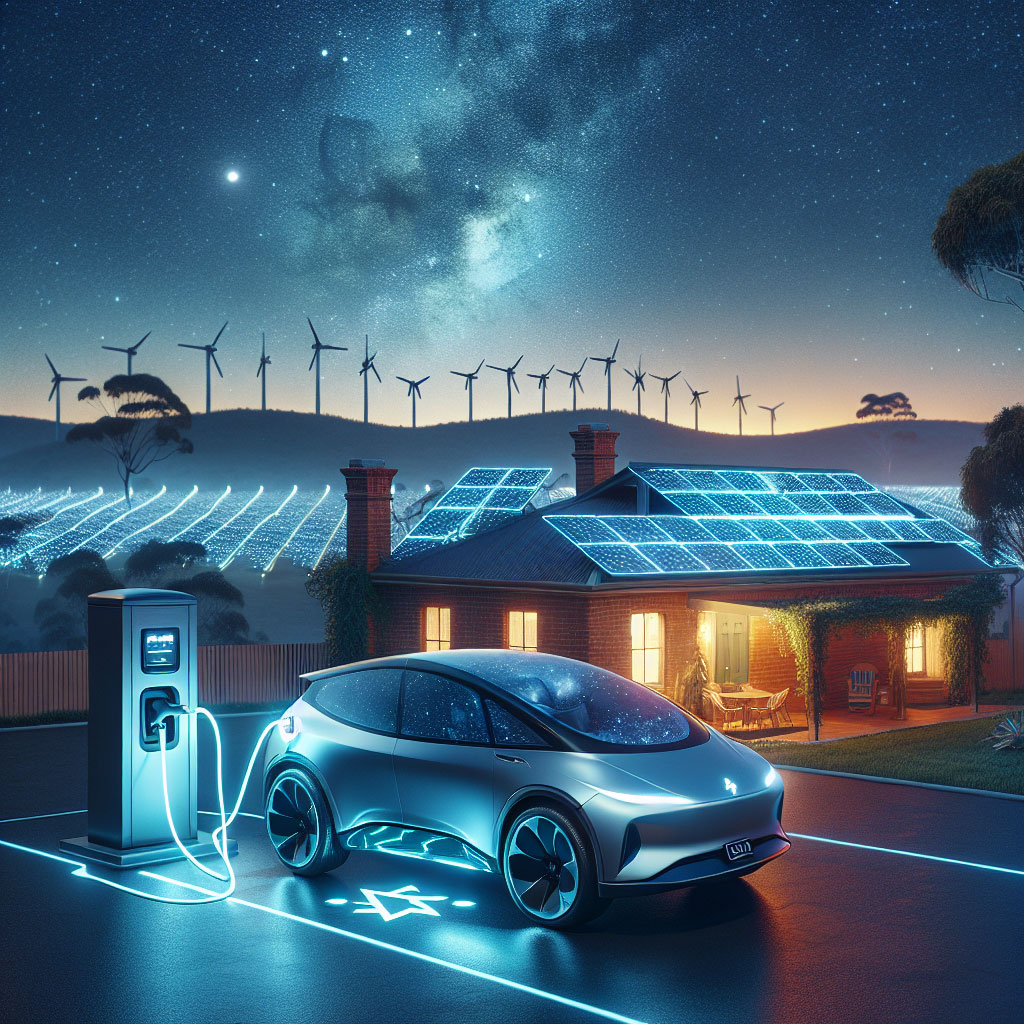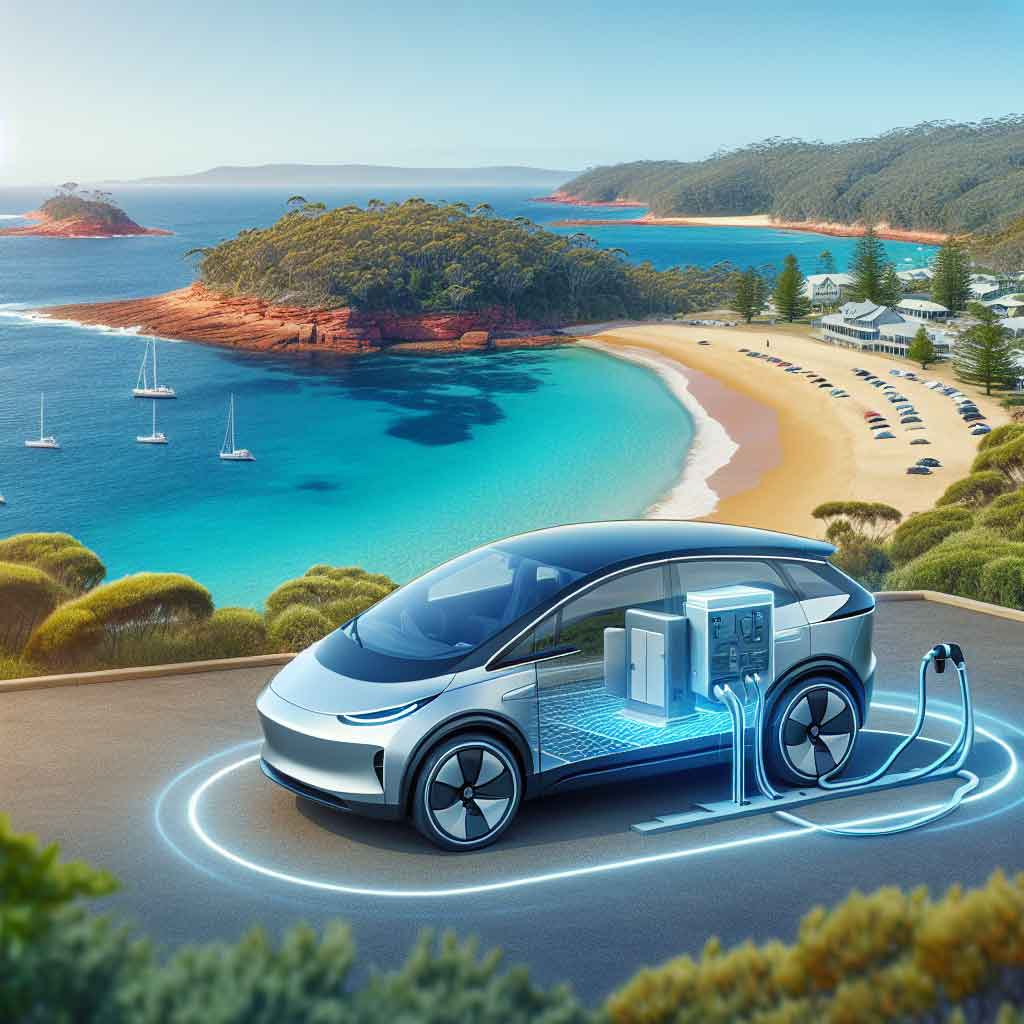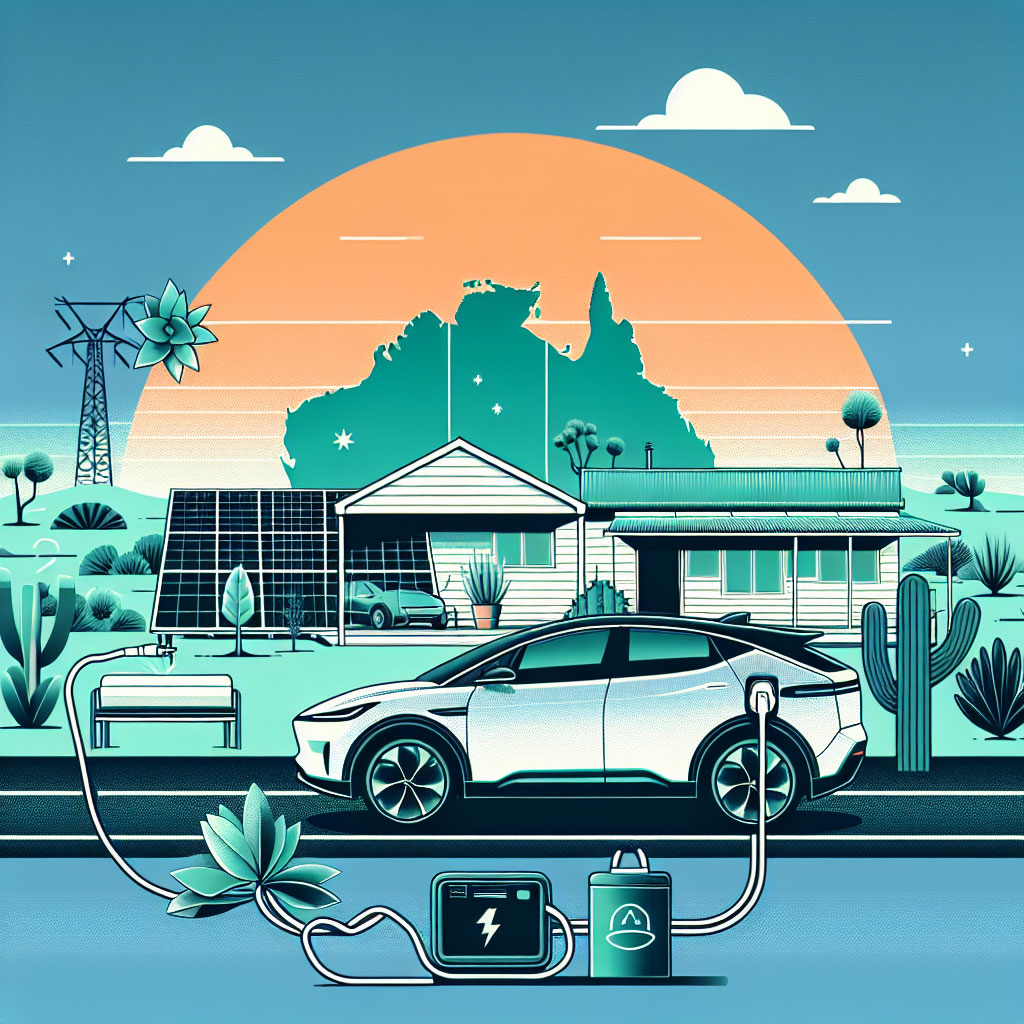


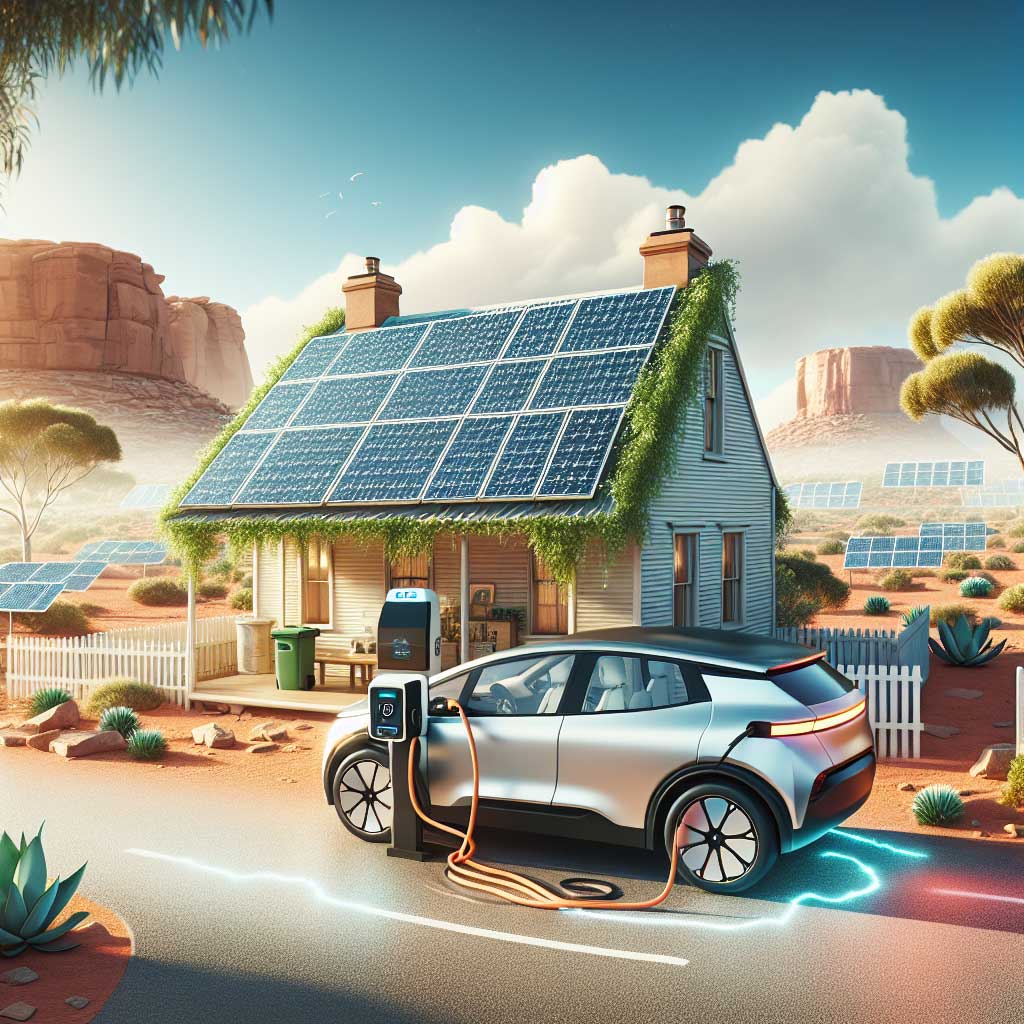
As we roll into 2026, the Australian dream has shifted. It’s no longer just about the quarter-acre block and a Hills Hoist; it’s about a roof covered in glass and a car that runs on nothing but pure, unadulterated Aussie sunshine. If you’ve been watching the price of petrol creep up while your solar feed-in tariffs (the measly cents the power companies pay you) have dropped to almost nothing, you’ve probably realized the writing is on the wall.
At EV Evolution, we’re seeing a massive shift in how households approach energy. The goal is no longer just “offsetting the bill”—it’s about energy independence. We’re talking about the ultimate 2026 power couple: Solar PV & EVs. This guide will show you how to set up your own “micro-refinery” at home and charge your EV for essentially $0.
The “Solar Soaking” Revolution
In the old days (like, 2022), you’d plug your car in at night and pay the grid for the privilege. In 2026, that’s a rookie move. With the right setup, you can engage in what we call “Solar Soaking.”
The logic is simple: your solar panels are cranking out energy during the day while you’re (hopefully) at home or have the car parked in the driveway. Instead of sending that excess energy back to the grid for a pathetic 5 cents per kilowatt-hour, you “divert” it straight into your car’s battery.
Since a typical EV gets about 6km of range for every 1kWh of energy, and a decent 6.6kW solar system can pump out 25-30kWh on a sunny day in Sydney or Brisbane, you’re looking at potentially 150km of “free” range every single day. —
Meet the “Sun Chasers”: Smart Chargers for 2026
To pull this off without manually flipping switches every time a cloud passes by, you need a smart charger that can “chase the sun.” These devices talk to your solar inverter and adjust the charging speed in real-time.
If the sun is blazing, the charger cranks up to 7kW. If a cloud rolls over or you turn on the aircon, the charger throttles back so you don’t pull expensive power from the grid. Here are some of the best home EV chargers in Australia for 2026 that specialize in this:
1. The myenergi Zappi
The Zappi remains the gold standard for solar nerds. It has “Eco+” mode, which is basically a “Solar Only” setting. It will refuse to charge unless there is surplus solar available. If you only have 1.4kW of excess energy (the minimum needed to start a charge), it will sip just that much and not a drop from the grid.
2. Wallbox Pulsar Max
The Pulsar Max is the compact, stylish choice for 2026. It’s small enough to fit in a tight garage but smart enough to handle “Eco-Smart” charging. It’s a great mid-range option that balances looks with brains.
3. Ocular IQ Solar
An Australian favorite, the Ocular IQ Solar is built for our conditions. It’s rugged, reliable, and has some of the best app integration on the market, allowing you to prioritize your home battery or your car with a single swipe.
4. Tesla Wall Connector + Charge HQ
Even if your charger isn’t “solar-aware” out of the box (looking at you, Gen 3 Tesla Wall Connector), you can use clever software like Charge HQ. This Aussie-made app acts as the middleman, telling your Tesla to only charge when your solar is performing. It’s a brilliant way to get solar PV EV charging without buying a specialized charger.
The 2026 Game Changer: The Solar Sharer Program
One reason 2026 is such a landmark year for this “power couple” is the federal government’s Solar Sharer program, launching in July. In states like NSW, QLD, and SA, households will get access to three hours of free electricity during the middle of the day to help soak up the massive surplus of solar on the national grid.
If you have a smart charger, you can schedule your car to “gorge” itself during this window. Even if you don’t have solar panels on your own roof, this program essentially gives you free fuel for a few hours a day. But for those with solar, it’s a double win—you use your own generation, and the grid provides a “buffer” to ensure you hit 100% charge without spending a cent.
Sizing Up: How Much Solar is Enough?
This is the big question. A 6.6kW system used to be the “standard” for Aussie homes, but in the EV era, we reckon you should be aiming higher. If you’re buying a new system in 2026, 10kW or even 13kW is the new sweet spot. Why? Because you want enough “overhead” to run your house, your pool pump, and your car simultaneously.
Most people don’t realize that even on a cloudy day, a 10kW system will still produce enough “trickle” to keep an EV topped up.
Not sure if your roof is up to the task? Don’t spend thousands on a consultant. Start a conversation with our EV Evolution AI chatbot right now. Just ask: “Ask our AI: How many solar panels do I need to charge my EV daily?” and it’ll give you a breakdown based on your specific car model and your average Aussie commute.
Practical Tips for Your Power Couple
- The “Work from Home” Advantage: If you work from home even two days a week, you can likely cover your entire week’s driving just by “sun-soaking” on those days.
- Watch the “Start Current”: Most EVs need at least 6 Amps (about 1.4kW) of solar surplus to start charging. If your solar is only producing 1.0kW, a smart charger will wait until the sun peeks out further before clicking on.
- Battery First or Car First? If you have a home battery (like a Tesla Powerwall or BYD B-Box), we usually recommend charging the car first during the day. Why? Because your car battery is likely 5x to 8x bigger than your home battery. Use the “overflow” for the car, and let the home battery fill up in the late afternoon to carry you through the night.
The EV Evolution Verdict
Charging an EV with solar isn’t just a gimmick anymore; it’s a financial necessity in 2026. Every kilowatt you pull from your roof instead of the grid is about 30 cents saved. Over a year, that adds up to thousands.
We believe the EV Evolution isn’t just about the car in the garage—it’s about the ecosystem of your home. When your transport and your energy generation become one, you’re not just driving a car; you’re winning the game of “Adulting” in 2026.
Ready to crunch the numbers for your own roof?
Hop into our chat and get the facts before you talk to an installer.
Start a conversation with the EV Evolution AI chatbot.] Simply ask: “Ask our AI: How many solar panels do I need to charge my EV daily?” The sun is shining, the chargers are smart, and the fuel is free. What are you waiting for?
About EV Evolution
EV Evolution is the leading online platform dedicated to Australian electric vehicle owners and enthusiasts. We foster a vibrant community, delivering essential EV news and insights, and enhancing user engagement through our innovative, AI-powered chatbot for dynamic discussions. Our mission is to empower Australian electric vehicle owners and enthusiasts by fostering a vibrant, AI-driven online community that connects, informs, and advances the nation’s electric vehicle landscape.