

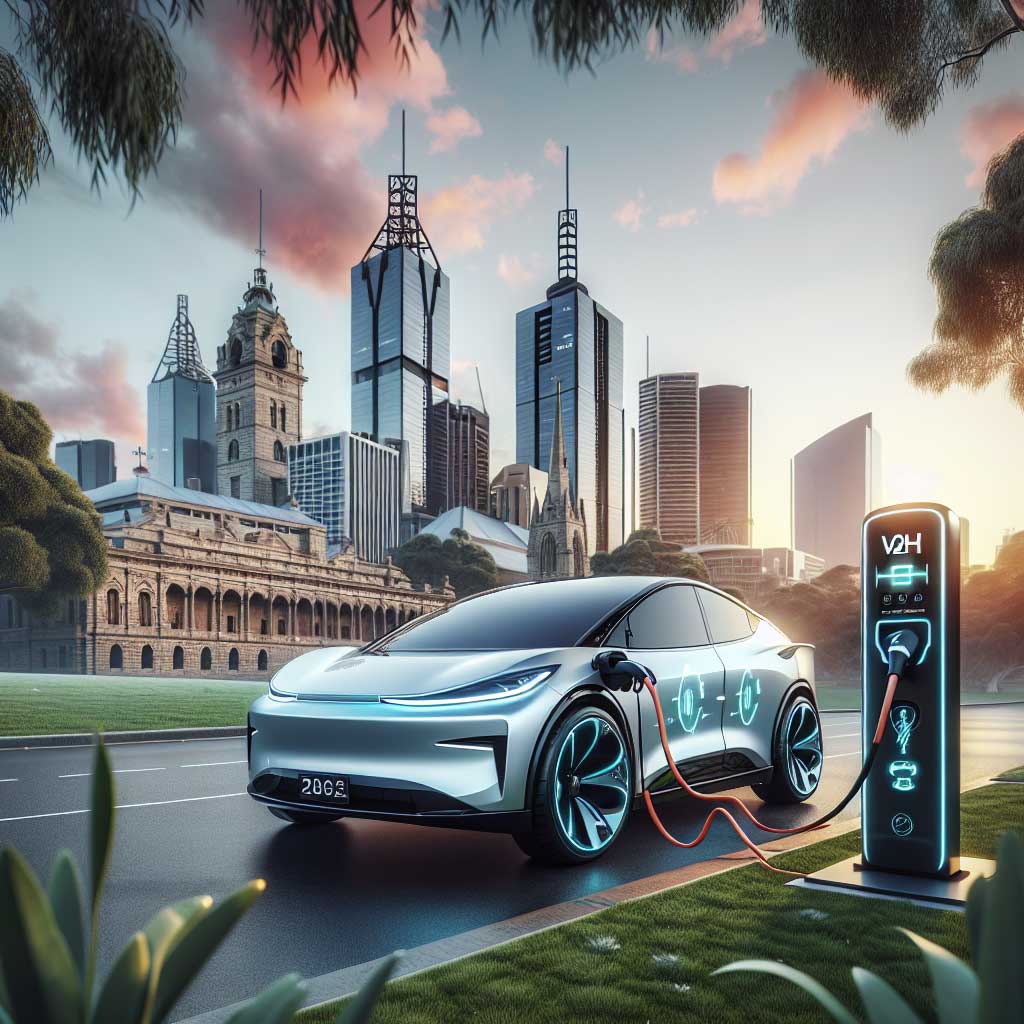
Imagine it’s a sweltering Tuesday afternoon in January 2026. The Aussie summer is in full swing, every air conditioner in the street is humming, and—snap—the grid gives up. The street goes quiet, the lights flicker out, and your neighbor’s ice cream starts its slow, tragic transition into a puddle.
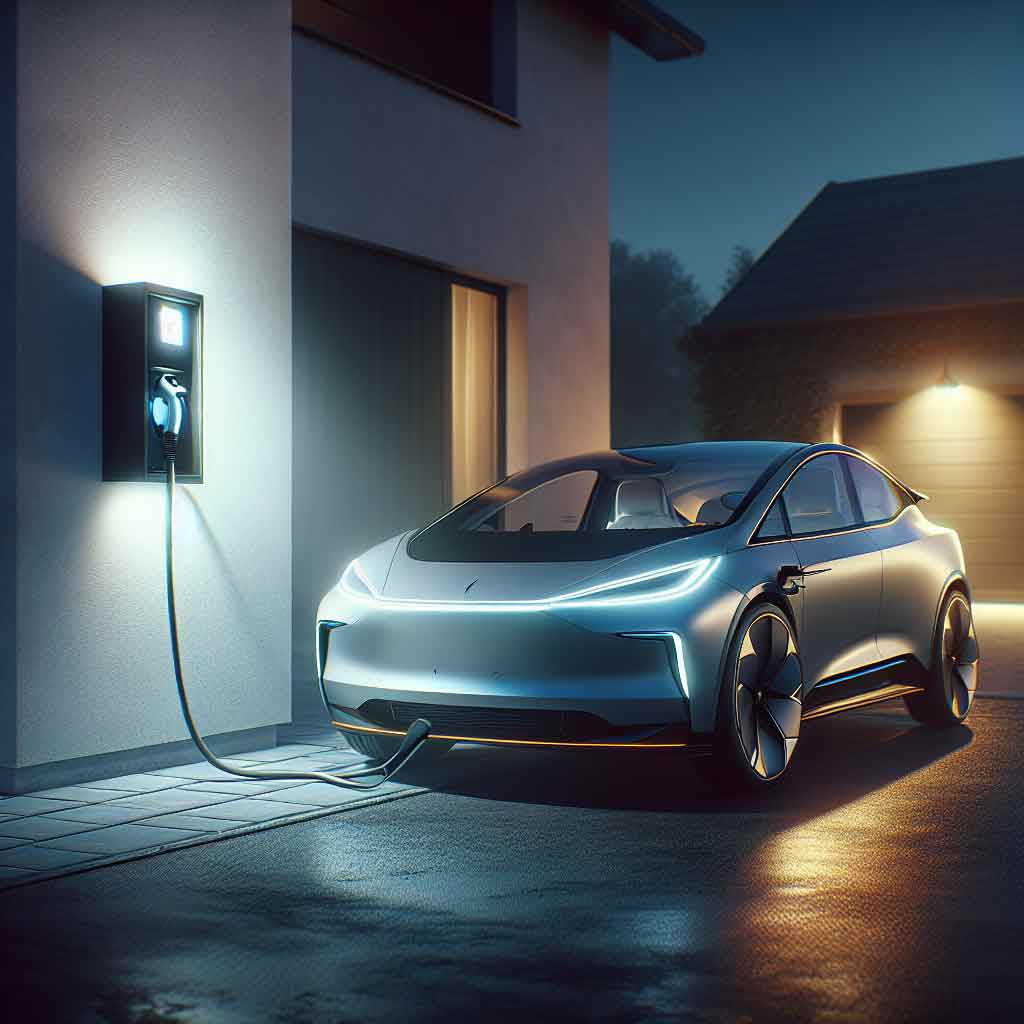
But over at your place? The fridge is still humming, the TV is on, and the kids haven’t even noticed the blackout. That’s because your car—the one sitting in the driveway—is currently running your entire house.
Welcome to the age of Vehicle-to-Home (V2H). This isn’t some “future tech” we’re dreaming about for the 2030s. With the first wave of certified bi-directional chargers hitting Aussie suburbs this month, the “giant battery on wheels” has officially moved from a gimmick to a household essential. At EV Evolution, we’ve been tracking this shift for years, and we’re here to help you navigate the hardware, the costs, and the “no-brainer” logic of turning your EV into a power station.
⚡ What Exactly is V2H? (And No, it’s Not V2L)
Before we dive into the gear, let’s clear up the lingo. You’ve probably heard of V2L (Vehicle-to-Load)—that’s the handy plug on the side of a BYD or Hyundai that lets you run a coffee machine at a campsite. It’s great, but it won’t run your house.
V2H (Vehicle-to-Home) is the “big leagues.” It involves a high-tech connection that allows electricity to flow both ways through your charging cable. When the sun is shining, your solar panels charge the car. When the sun goes down (or the grid goes pop), the car sends that power back through your switchboard to keep your lights, oven, and aircon running.
In 2026, with electricity prices still making us wince every quarter, using the 75kWh battery in your driveway to avoid the 6pm “peak price” is the ultimate financial power move.
🛠️ The Hardware Checklist: What You Need to Get “Off-Grid”
You can’t just plug a standard “dumb” charger into your wall and expect it to work in reverse. To get V2H-ready in 2026, you need three specific components working in harmony:
1. The Bi-Directional Wallbox
The star of the show in 2026 is the V2Grid “Numbat”—Australia’s first locally-made, CEC-approved bi-directional charger. We’re also seeing the Sigenergy SigenStor and the RedEarth Boomerang rolling out to homes this month.
- Cost: Expect to pay between $6,000 and $10,000 for the hardware alone.
- Why so pricey? These aren’t just chargers; they are sophisticated inverters that manage the complex task of converting DC power from your car back into the AC power your toaster needs.
2. The “Gateway” or Isolation Switch
This is the bit most people forget. For vehicle to home backup to work during a blackout, your house must be able to “disconnect” from the main grid. This prevents your car from trying to power the entire street (which would blow your fuse in seconds) and protects line workers from getting a nasty surprise while they’re fixing the wires.
3. The Right Car (The “New Guard”)
Not every EV can talk back to the house. While the “old guard” like the Nissan Leaf used CHAdeMO plugs for this, 2026 is the year of CCS2 Bi-Directional charging.
- Top 2026 Picks: The Kia EV9, Polestar 3, and the Volvo EX90 are leading the charge. Many other models, including the VW ID. series, are now receiving Over-the-Air (OTA) updates to “unlock” this hardware.
Confused about whether your current or future car can actually do this? The list is changing every week as manufacturers update their software and warranties.
Start a conversation with our EV Evolution AI chatbot. Just ask: “Which 2026 EV models support Vehicle-to-Home backup?” Our AI tracks every local spec change and warranty update so you don’t have to.
💰 The Math: Why V2H Beats a Home Battery
If you’ve looked into a dedicated home battery (like a Tesla Powerwall), you know they usually cost around $15,000 to $25,000 installed and give you about 13.5kWh of storage.
Now, look at your EV. A standard long-range EV in 2026 has a battery between 75kWh and 100kWh. That is roughly six to seven home batteries sitting on four wheels.
- The V2H Strategy: Instead of spending $15k on a stationary battery, you spend $8k–$10k on a V2H charger in Australia.
- The Result: You get five times the storage capacity for half the price of a dedicated battery. Plus, you can drive your battery to work.
For the average Aussie household using 15-20kWh of power a day, a fully charged EV could theoretically keep your house running for three to four days without needing a single drop of grid power.
🛑 The “Fine Print”: What to Watch Out For
Because we’re all about “Confidence over Curiosity” here at EV Evolution, we have to mention the hurdles.
- Grid Approval: Your local DNSP (the people who own the poles and wires, like Ausgrid or Energex) still needs to give your V2H setup the “thumbs up.” In early 2026, most have streamlined the process, but it’s still an extra piece of paperwork for your sparky.
- Installation Costs: Because this involves your main switchboard, installation isn’t a “DIY over the weekend” job. Budget between $1,500 and $2,500 for a certified installer who knows their way around AS/NZS 4777.2:2020 standards.
- Battery Warranty: Some manufacturers are still a bit cagey about how V2H affects your battery health. However, recent studies show that “gentle” discharging to power a house is actually less stressful on a battery than a spirited drive up the highway.
🏆 Establishing Authority: The EV Evolution View
At EV Evolution, we believe V2H is the final piece of the puzzle. It’s what turns an electric vehicle from a “lifestyle choice” into a fundamental piece of Australian infrastructure.
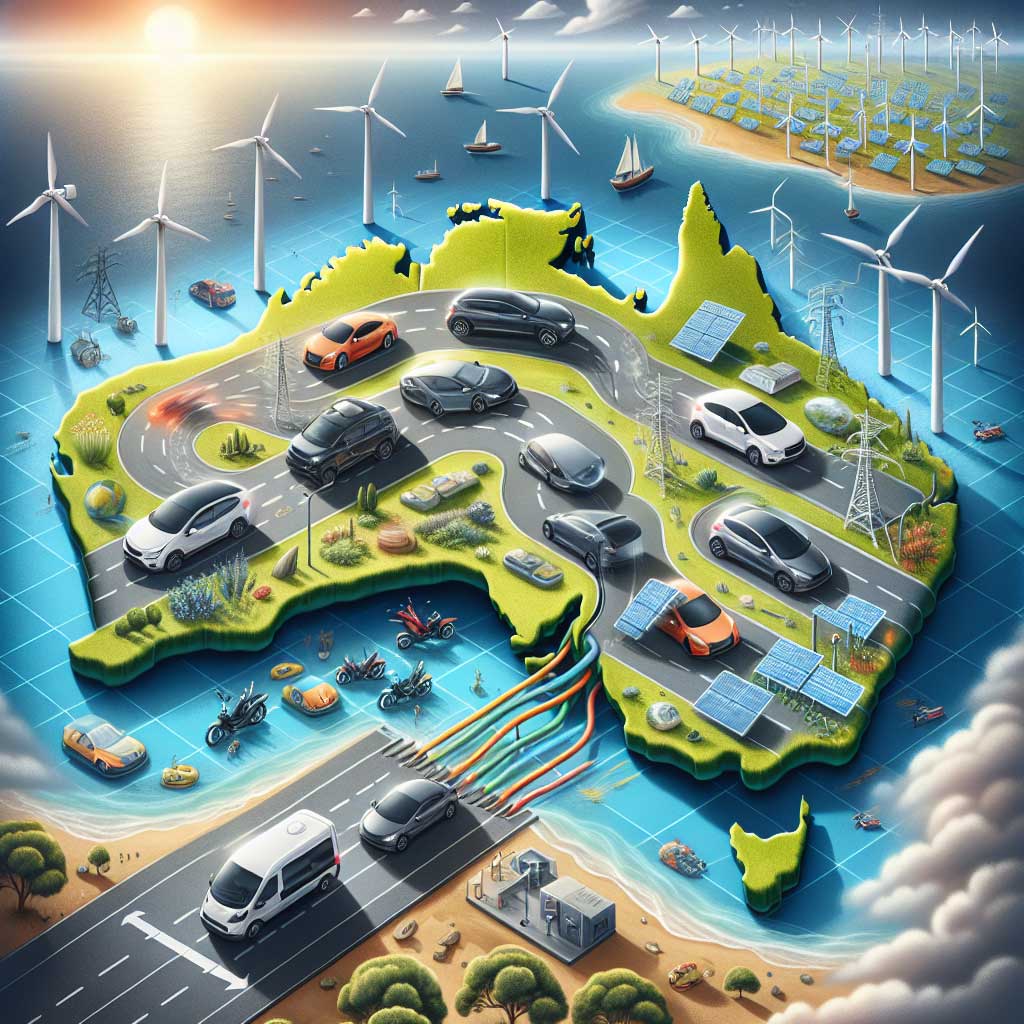
With the 2026 rollout of bi-directional charging EVs, we are seeing the death of “bill shock.” We’re seeing households that are essentially immune to grid failures. And we’re seeing a more resilient Australian grid that uses parked cars as a giant, decentralized power plant.
Are you ready to stop being just a consumer and start being a producer? The tech is finally here, the chargers are being installed in Aussie driveways as you read this, and the savings are massive. If you’re planning a renovation or buying a new EV this year, V2H isn’t just an “option”—it’s the smarter way to live.
Start a conversation with the EV Evolution AI chatbot now. Ask our AI: “Which 2026 EV models support Vehicle-to-Home backup?” and find out if your next car can keep the lights on when the rest of the street goes dark.