

If you’ve recently made the jump to an electric vehicle in Australia, you’ve likely experienced two very different types of “sticker shock.” The first is the thrill of never seeing a $120 fuel bill again. The second, unfortunately, is the moment you open your annual insurance renewal.
As we move through 2026, the electric car insurance cost remains one of the final hurdles in the EV transition. While fuel and maintenance costs have plummeted, premiums haven’t always followed the same downward curve. At EV Evolution, we’re seeing a “two-speed” insurance market: those who are overpaying by thousands, and those who have learned how to play the system.
Is it possible to find the cheapest EV insurance Australia has to offer without sacrificing coverage? Absolutely. But you need to understand why the “insurance gap” exists and how to navigate it like a pro.
🔍 Why the “Gap” Still Exists in 2026
To lower your premium, you first have to understand what the insurers are scared of. Even in 2026, with over 150 EV models on Australian roads, insurance companies are still pricing in three main risks:
- The “Write-Off” Threshold: Because EV batteries are structural and expensive, even a moderate side-impact can lead an insurer to write off the car rather than risk a complex battery repair.
- Specialist Labour: While the number of EV-certified mechanics has tripled since 2023, they still command a “specialist” hourly rate compared to traditional grease monkeys.
- The Tesla Factor: High-performance models like the Tesla Model S or the new 2026 Performance variants still carry premiums that can exceed $3,500 annually, largely due to bespoke parts and high repair costs.
🛠️ Strategy 1: Hunt for Specialized EV Insurers
The biggest mistake Aussie EV owners make is sticking with their legacy insurer out of habit. In 2026, specialized EV insurers have entered the fray with “EV-first” policies that understand the technology better than the big-box brands.
Providers like National Cover, Zurich (via InsureMyTesla), and ROLLiN’ have refined their algorithms. They don’t just see a “high-tech car”; they see a vehicle with fewer moving parts and superior safety ratings.
- National Cover has made waves this year with their “Price-Beat Guarantee,” specifically targeting BYD and MG owners.
- Zurich has streamlined the “InsureMyTesla” portal, offering excess-free glass cover—a must-have for those massive panoramic sunroofs that seem to attract every loose stone on the M1.
📈 Strategy 2: Embrace the “Telematics” Revolution
In 2026, “Pay-as-you-drive” isn’t just a gimmick; it’s the primary way to secure the cheapest EV insurance in Australia. If your EV stays in the garage most of the week and only does the weekend run to the coast, you are a low-risk goldmine for insurers.
Many insurers now offer apps that sync directly with your car’s data. If you can prove you aren’t flooring it at every green light and that your annual mileage is under 12,000km, you can often slice 15–20% off your premium instantly. It’s the ultimate “fair go” for safe drivers.
📊 2026 Premium Comparison: At a Glance
Based on the latest January 2026 data, here is what the average comprehensive premium looks like for three of Australia’s most popular models.
| Model | Average Annual Premium (2026) | Lowest Found (Specialized) |
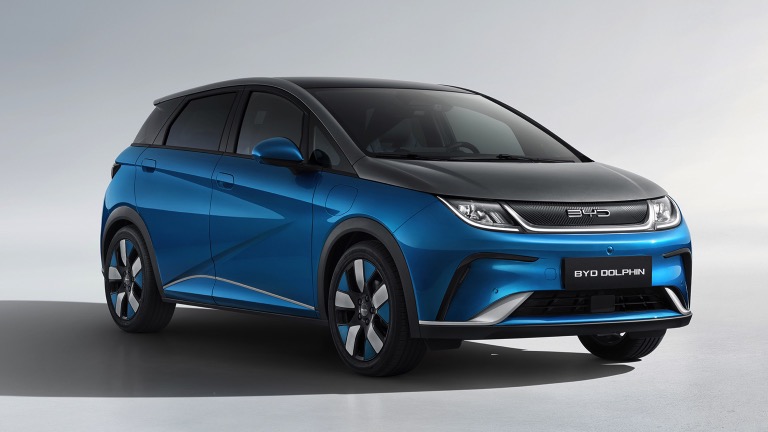
| BYD Dolphin Essential | $1,425 | $1,210 |
| Tesla Model 3 RWD | $3,100 | $2,450 |
| MG4 Excite 51 | $1,645 | $1,380 |
| Toyota HiLux EV (2026) | $2,250 | $1,980 |
Note: Data based on a 40-year-old driver in a metro postcode with a clean rating one history.
💡 Pro Tips for Lowering the Bill
1. The “Excess” Gamble
With EV reliability being so high, many owners are opting for a higher voluntary excess. Moving your excess from $600 to $1,500 can often reduce your monthly premium by a significant margin. If you’re a confident driver with a secure garage, this is a calculated risk that often pays off.
2. Bundle and Save
It sounds old-school, but in 2026, the “multi-policy” discount is still king. If you’ve got your home, contents, and a second car with the same provider, you can often negotiate a “Green Discount” on top of your existing loyalty bonuses.
3. Check the “Glass” Clause
A standard windshield on a 2026 EV often houses LIDAR, cameras, and rain sensors. Replacing one can cost $3,000+. Ensure your policy has excess-free glass cover; otherwise, a single pebble on the highway could cost you your entire year’s fuel savings.
🏆 The EV Evolution Verdict
The insurance gap is narrowing, but it hasn’t closed yet. The secret to winning in 2026 is active management. Don’t let your policy auto-renew. The market is moving too fast, and new “specialized” players are entering the Australian market every quarter, hungry for your business.
At EV Evolution, we believe that as more data is collected on EV safety and repairability, the “premium penalty” will eventually vanish. Until then, stay informed, shop around, and use the tech in your car to prove you’re a lower risk.
🤖 Want to find the absolute lowest premium for your specific model?
Insurance prices change weekly, and what’s true for a Tesla owner in Sydney might be completely different for a BYD driver in Perth. You need a comparison that factors in the latest 2026 policy tweaks and “Green Vehicle” discounts.
Let our AI do the legwork for you.
Our EV Evolution AI chatbot has access to the latest Australian insurance data and can help you identify which providers are currently offering the best deals for your specific circumstances.
Start a conversation now and ask:
“Compare the top 3 EV insurance providers for a Tesla, BYD, and other models.”
Chat with the EV Evolution AI now] and stop overpaying for your peace of mind!
About EV Evolution
EV Evolution is the leading online platform dedicated to Australian electric vehicle owners and enthusiasts. We foster a vibrant community, delivering essential EV news and insights, and enhancing user engagement through our innovative, AI-powered chatbot for dynamic discussions. Our mission is to empower Australian electric vehicle owners and enthusiasts by fostering a vibrant, AI-driven online community that connects, informs, and advances the nation’s electric vehicle landscape.