


Fuel Prices are Cooked: How Much You’ll Actually Save by Switching this Month
Let’s be real: staring at the LED numbers on a petrol station sign in January 2026 has become a form of psychological warfare. With regular unleaded dancing around the $2.20 per litre mark in our major capitals and premium hitting heights that make your eyes water, the “weekly fill-up” has officially shifted from a chore to a financial crisis.
At EV evolution, we have spent the better part of two decades tracking everything from V8 fuel-guzzlers to the latest solid-state marvels, we can tell you the landscape has fundamentally shifted. We aren’t just talking about “environmental benefits” anymore. We are talking about the difference between burning your hard-earned cash in a tailpipe and keeping it in your pocket.
At EV Evolution, we don’t just track cars; we track the math. And right now, the math is screaming. If you’re still driving an Internal Combustion Engine (ICE) vehicle, you’re effectively paying a “legacy tax” every single time you pull into a servo.
The Great Divide: $2.20 Petrol vs. The Grid
To understand why fuel prices are “cooked,” you have to look at the energy density and the cost of delivery. A typical petrol SUV in Australia sips about 11L per 100km in real-world city traffic. At $2.20/L, that’s $24.20 just to drive 100 kilometres.
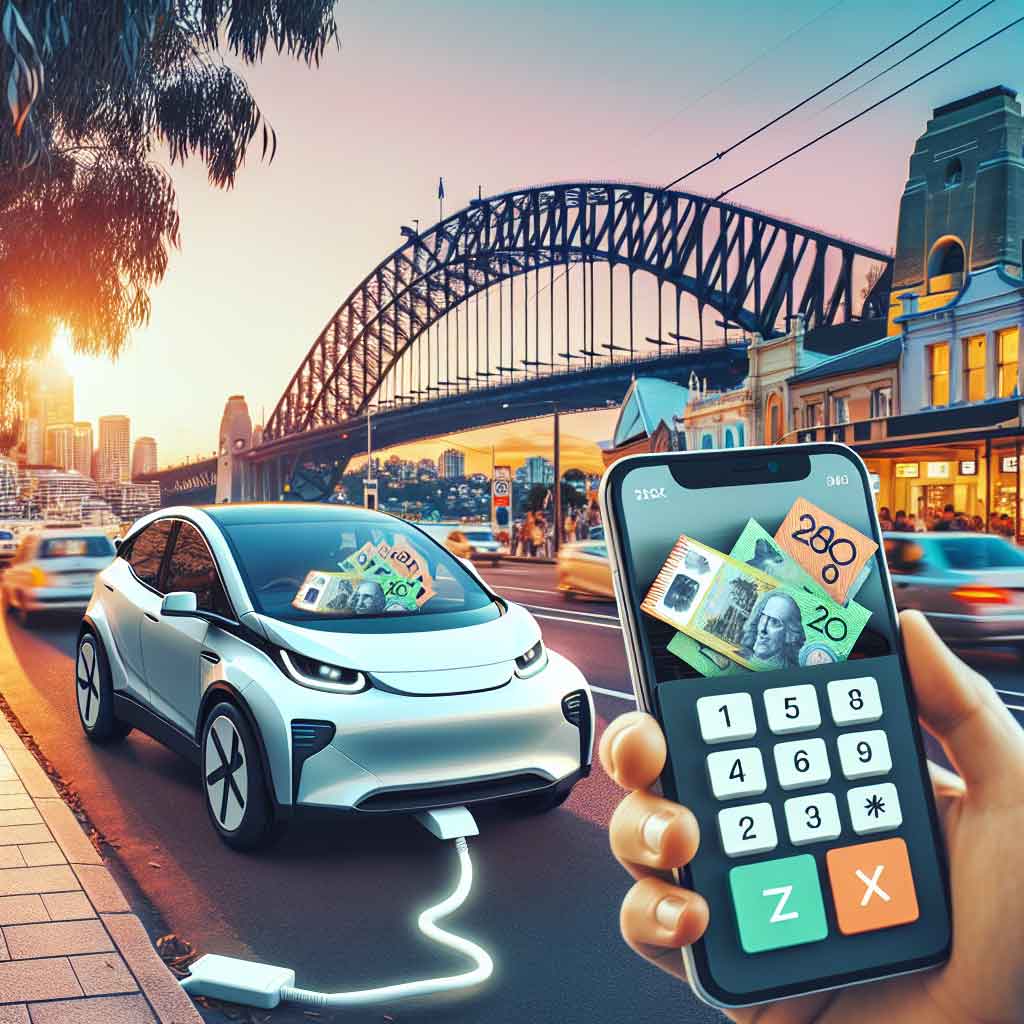
Now, let’s look at the EV equivalent. A modern electric SUV (think the Tesla Model Y or BYD Atto 3) uses roughly 18kWh per 100km. If you’re charging at home on a standard residential rate (roughly $0.30/kWh), that same 100km journey costs you just $5.40.
The Verdict: That is a 77% saving on every single trip. If you drive the Australian average of 15,000km per year, you are looking at a direct fuel saving of over $2,800 annually. That isn’t just “savings”—that’s a holiday, a mortgage overpayment, or a very nice tech upgrade.
“Free Juice” and the Suburb Advantage
But here is where it gets interesting for the “infrastructure hackers” among us. The cost of charging isn’t a flat rate like petrol. It’s highly localized.
Through our EV Evolution Vibe Check tool, we’ve discovered a fascinating trend: High Vibe scores usually mean more free public chargers. In suburbs like Richmond (VIC) or Alexandria (NSW), local councils and shopping centres have integrated free AC destination chargers as a way to lure shoppers. If you live or work in a “Supercharged” suburb, your fuel cost can literally drop to zero. Imagine plugging in at the local gym or while you grab your groceries and walking away with 50km of “free juice.”
Tool Integration: Stop guessing if you’re in a charging desert. Hit our EV Vibe Check and find out if your suburb offers free juice. If your postcode slays, you could be driving for the price of a monthly car wash.
The 2026 Incentive Landscape: Why Now?
Many Aussies are waiting for “the right time” to switch, fearing they’ve missed the boat on government handouts. While some state-based rebates (like those in NSW and Victoria) have finished their initial runs, the primary SEO Keywords for 2026 are all about the Electric Car Discount and the FBT Exemption.
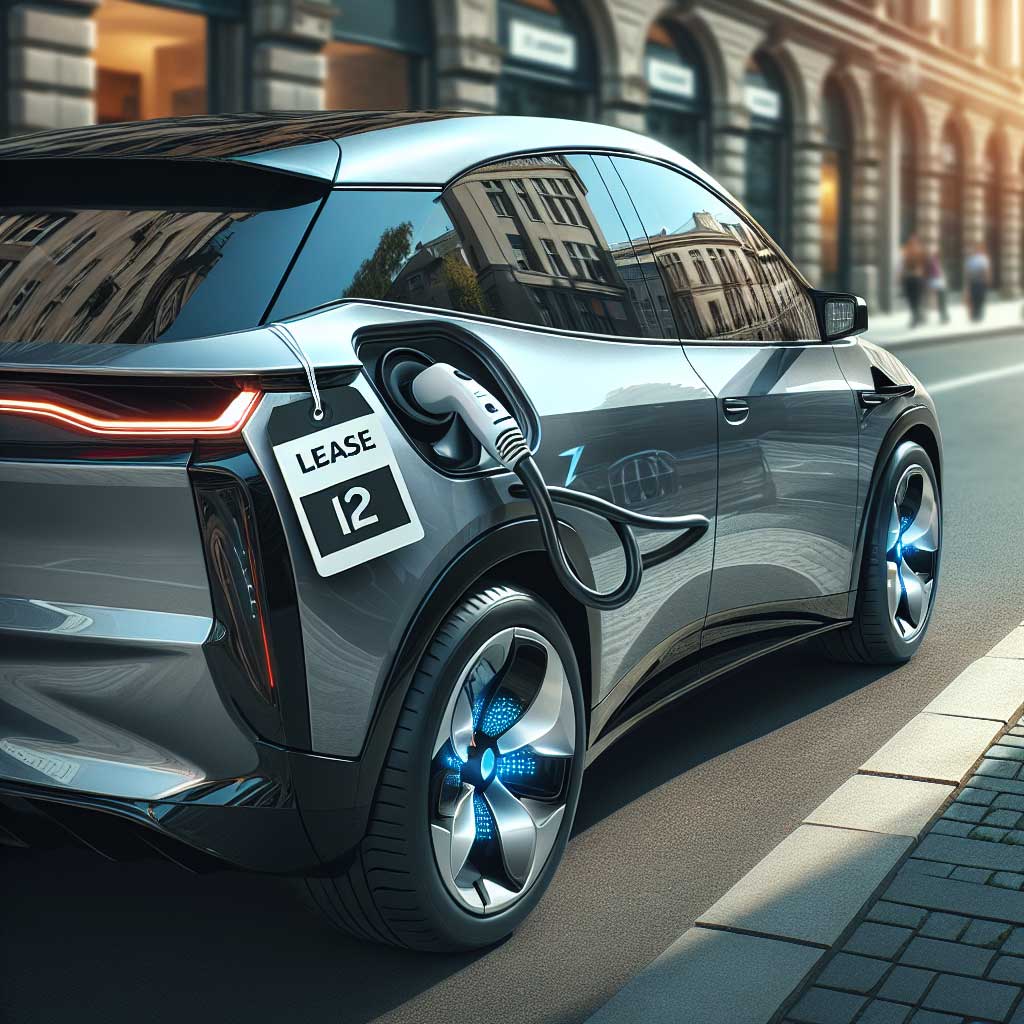
If you are a professional earning a salary in Australia, the Novated Lease is your ultimate financial weapon. Under current Federal laws, most EVs under the Luxury Car Tax threshold ($91,387) are exempt from Fringe Benefits Tax (FBT).
What does that mean in plain English? It means you can pay for the car, the insurance, the tyres, and the electricity using your pre-tax salary. For a mid-career professional, this “tax hack” can effectively reduce the cost of the car by another $4,000 to $6,000 per year.
Maintenance: The “Silent” Saving
As a journalist, I often focus on the drive, but the finance team at EV Evolution focuses on the “moving parts.” A petrol engine is an explosion-powered factory with thousands of parts that want to break. You have oil filters, spark plugs, timing belts, and a complex cooling system.
An EV has about 20 moving parts in its drivetrain.
According to the latest data from the Electric Vehicle Council, EV owners save between $300 and $500 per year on servicing alone. There are no oil changes. Your brakes last longer because of regenerative braking (the motor slows the car down, saving the pads). Over a five-year ownership period, that’s another $2,000 to $2,500 that stays in your bank account instead of the mechanic’s.
[Image: A clean, modern EV garage setup with a wallbox charger and solar panels]
The Solar “Side Hustle”
If you really want to turn petrol money into pocket money, you need to look up. Australia has the highest per-capita uptake of rooftop solar in the world.
In 2026, the smartest EV owners are using Vehicle-to-Grid (V2G) and Smart Charging apps. Instead of paying $0.30/kWh, they are charging their cars at midday when their solar panels are over-producing. Their fuel cost? $0.00.
With a V2G-compatible car (like the latest BYD or Nissan models), your car can even act as a home battery, powering your house during peak times when electricity prices are highest. Your car isn’t just a transport device anymore; it’s a mobile energy asset.
EV Evolution Brand Voice: Let’s Settle the Math
At EV Evolution, we don’t believe in “gut feelings.” We believe in data. The transition to electric isn’t just an “environmental flex”—it’s a sophisticated financial move.
We know every driver is different. A tradie in the Outer West has different needs than a lawyer in the CBD. That’s why we’ve built the most comprehensive data set in the country.
AI Chatbot Push: Still not convinced the math works for you? Ask our AI to calculate your weekly savings based on your specific suburb and driving habits. Our AI co-pilot doesn’t just give you generic numbers; it factors in your local electricity rates, your daily commute distance, and even the current price of 95-unleaded at your nearest servo to give you a “Truth Report” on your potential savings.
The Final Verdict
Fuel prices aren’t just high; they are volatile and “cooked.” They are a variable expense that you have zero control over. Electricity, on the other hand, is something you can manage, time, and—with solar—even create yourself.
The gap between the cost of charging vs petrol in Australia has reached a tipping point. Between the massive tax savings of a novated lease, the decimated maintenance costs, and the ability to find “free juice” in high-vibe suburbs, the question isn’t “Can I afford an EV?”
The question is: “How much longer can I afford to keep buying petrol?”
Vibe Check your suburb now, talk to our AI about your tax bracket, and let’s start turning that fuel bill into pocket money.
About EV Evolution
EV Evolution is the leading online platform dedicated to Australian electric vehicle owners and enthusiasts. We foster a vibrant community, delivering essential EV news and insights, and enhancing user engagement through our innovative, AI-powered chatbot for dynamic discussions. Our mission is to empower Australian electric vehicle owners and enthusiasts by fostering a vibrant, AI-driven online community that connects, informs, and advances the nation’s electric vehicle landscape.