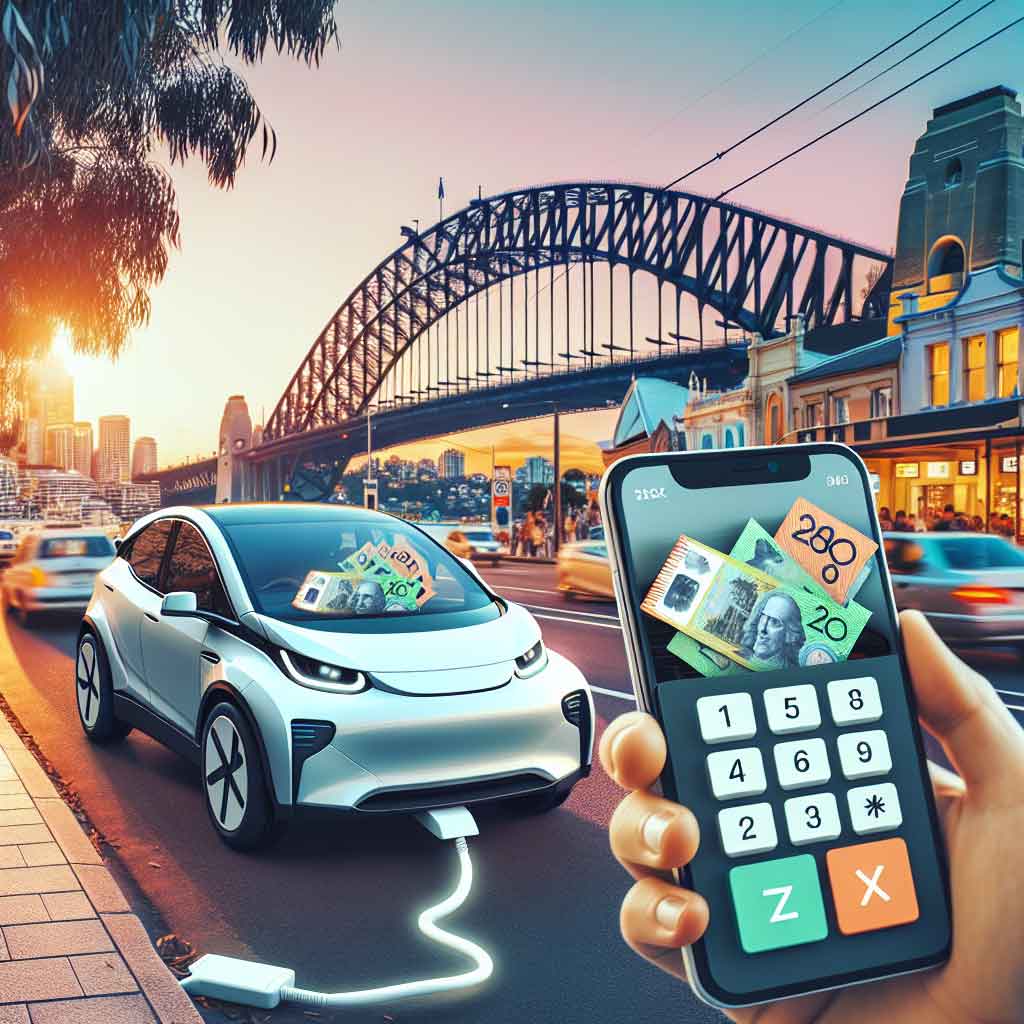




It’s the headline that’s been doing the rounds in every skeptical Facebook group from Townsville to Tasmania: the “EV Tax.” Rumours of a 2.5c per kilometre charge are swirling around the national coffee shops, leaving potential buyers wondering if the financial “vibe” of owning an electric vehicle is about to be well and truly cooked. But before you panic-buy another tank of $2.20/L premium unleaded, let’s peel back the layers of the Australia EV road user charge and see if this is a genuine deal-breaker or just a tiny speed bump in the electric evolution.
At EV Evolution, We’ve spent the better part of the last three years tracking the legislative ping-pong match between the High Court and the Federal Treasury. We’ve seen the Victorian tax struck down as unconstitutional, only for the Commonwealth to immediately start sketching out a national replacement.
In January 2026, the dust is finally settling. We are no longer asking if a road user charge (RUC) is coming; we are asking what the “damage” will actually look like on your weekly budget.
The Death of the Fuel Excise
To understand the EV vs Petrol tax in 2026, you have to understand where the money usually comes from. For nearly a century, Australian roads have been funded by the fuel excise—a tax baked directly into the price of every litre of petrol and diesel you buy. As of right now, that tax sits at approximately 51.6 cents per litre.
If you drive a traditional petrol SUV that sips 10L/100km, you are effectively paying the government $5.16 in tax for every 100 kilometres you drive.
An EV driver? Currently, they pay $0.00.
As more Aussies make the switch to EVs, the “pot of gold” used to fix our potholes and build our bridges is shrinking. The government’s solution is the Road User Charge (RUC). Instead of taxing the fuel, they want to tax the distance.
The Math: 2.5c vs. The Bowser
Let’s look at the indicative rate often cited in the 2026 options paper: 2.5 cents per kilometre. At first glance, paying for every kookaburra you pass feels like a sting. But let’s put the calculator to the pavement.
- Petrol Tax (The Old Way): 100km driven = $5.16 in excise.
- EV Tax (The New Way): 100km driven @ 2.5c = $2.50 in RUC.
The Verdict: Even with the “dreaded” EV tax, you are still paying less than half the road-funding tax of a petrol driver. When you factor in that your “fuel” (electricity) is already up to 80% cheaper than petrol, the “damage” starts to look more like a minor administrative fee than a vibe-killer.
Will a National RUC Kill the EV Vibe?
Short answer: Not even close.
In the automotive world, we look at the Total Cost of Ownership (TCO). Even if Treasurer Jim Chalmers pulls the trigger on a national 2.5c/km charge tomorrow, the core advantages of an EV remain untouchable:
- Maintenance Slay: You still have no oil filters, no spark plugs, and no complex exhaust systems to fail.
- Solar Hack: You can still charge your car for $0.00 using rooftop solar, something a petrol car will never achieve.
- FBT Exemption: As we covered in our recent Lease Guide, the tax savings on a novated lease in 2026 far outweigh a few hundred dollars in road charges.
The real “vibe check” here is fairness. A national Australia EV road user charge actually brings a level of certainty to the market. It stops the “us vs. them” debate at the BBQ and ensures that every car—regardless of whether it’s powered by electrons or explosions—contributes to the roads we all share.
How 2026 is Different: The High Court Legacy
It’s worth noting that the reason we are talking about a National tax is because of the landmark 2023 High Court ruling (Vanderstock v Victoria). The court ruled that states like Victoria and NSW cannot legally impose these taxes on their own—it’s a Federal power.
This is good news for you. It means we won’t have a “patchwork” of different taxes as you drive across the border from Albury to Wodonga. A national, consistent RUC is the goal for late 2026 or early 2027, ensuring that your EV vs Petrol tax comparison stays simple, no matter where you live.
Calculate the “Damage” for Your Drive
We know that “averages” are useless when it comes to your specific bank account. If you’re a long-distance commuter from the Central Coast to Sydney, or a tradie in Melbourne’s West, your odometer tells a different story.
Don’t let the headlines scare you. Ask our EV Evolution AI to calculate your projected Road User Charge based on your yearly odometer. Our AI co-pilot is updated with the latest 2026 Federal proposals. You can ask it:
- “If I drive 15,000km a year in a Tesla Model 3, how much RUC will I pay compared to my old Mazda 3’s fuel excise?”
- “Is the RUC tax-deductible if I use my EV for work?”
- “Will my BYD Shark 6 PHEV pay a lower rate than a full EV?” (Hint: In 2026, most proposals suggest PHEVs pay a discounted 2.0c rate because they still pay some fuel tax).
The Final Word from EV Evolution
The Australia EV road user charge is simply the next step in a maturing market. It’s the price of the EV revolution becoming “mainstream.”
Is it annoying? Sure. Is it a reason to keep paying $2.20/L for petrol? Absolutely not. The “vibe” of driving a silent, high-tech, solar-powered machine that saves you thousands in fuel and maintenance is still very much alive and well.
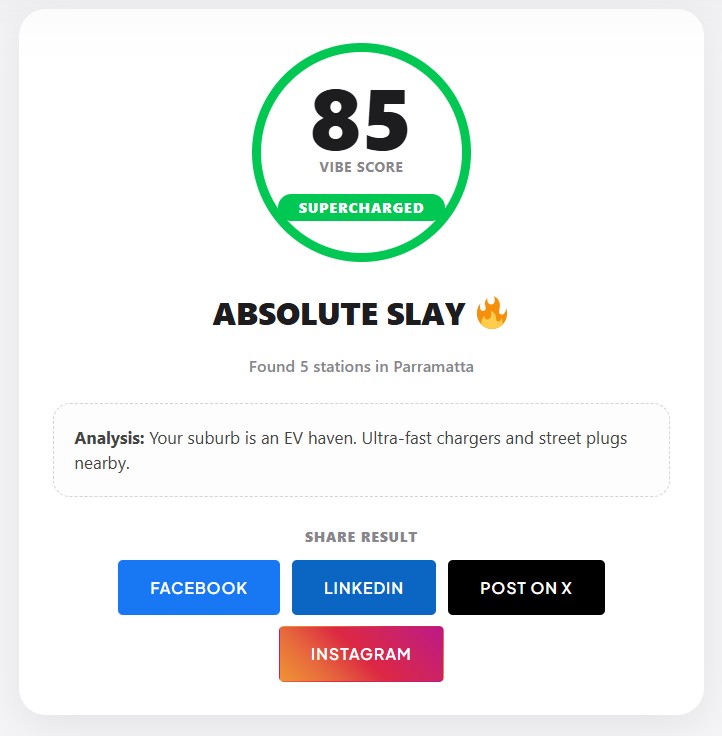
Vibe Check your local infrastructure, run your numbers with our AI, and join the evolution. Because even with a 2.5c charge, the petrol pump is still the most expensive place in Australia.
About EV Evolution
EV Evolution is the leading online platform dedicated to Australian electric vehicle owners and enthusiasts. We foster a vibrant community, delivering essential EV news and insights, and enhancing user engagement through our innovative, AI-powered chatbot for dynamic discussions. Our mission is to empower Australian electric vehicle owners and enthusiasts by fostering a vibrant, AI-driven online community that connects, informs, and advances the nation’s electric vehicle landscape.