


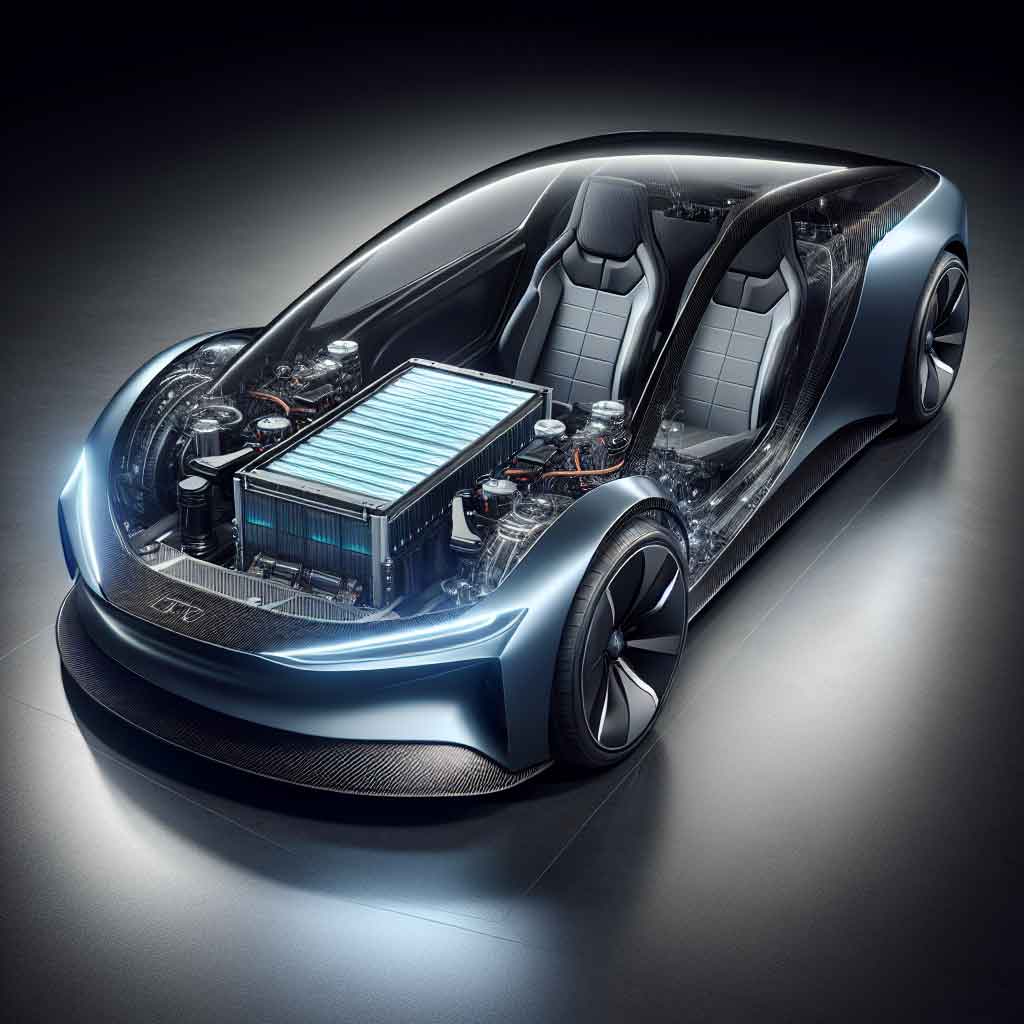
Imagine driving from Sydney to Melbourne, doing the city loops, and heading halfway back home before you even think about looking for a plug. That is the 1,200km promise of the solid state battery. As we kick off 2026, the chatter at every suburban barbecue and charging station has shifted from “How fast is your Tesla?” to “Should I wait for the ‘forever battery’?” We’re looking at the chemical revolution arriving next year—is Toyota’s 2027 timeline the real deal, or just another high-voltage mirage?
At EV Evolution, we live and breathe the technical roadmap. We’ve seen the “liquid-electrolyte” batteries of today achieve incredible things, but the industry is holding its breath for the solid-state breakthrough. If you’re currently debating whether to take the plunge on a 2026 model or wait for the Future EVs Australia 2027 wave, this is your reality check.
The Science: Why “Solid” is the Holy Grail
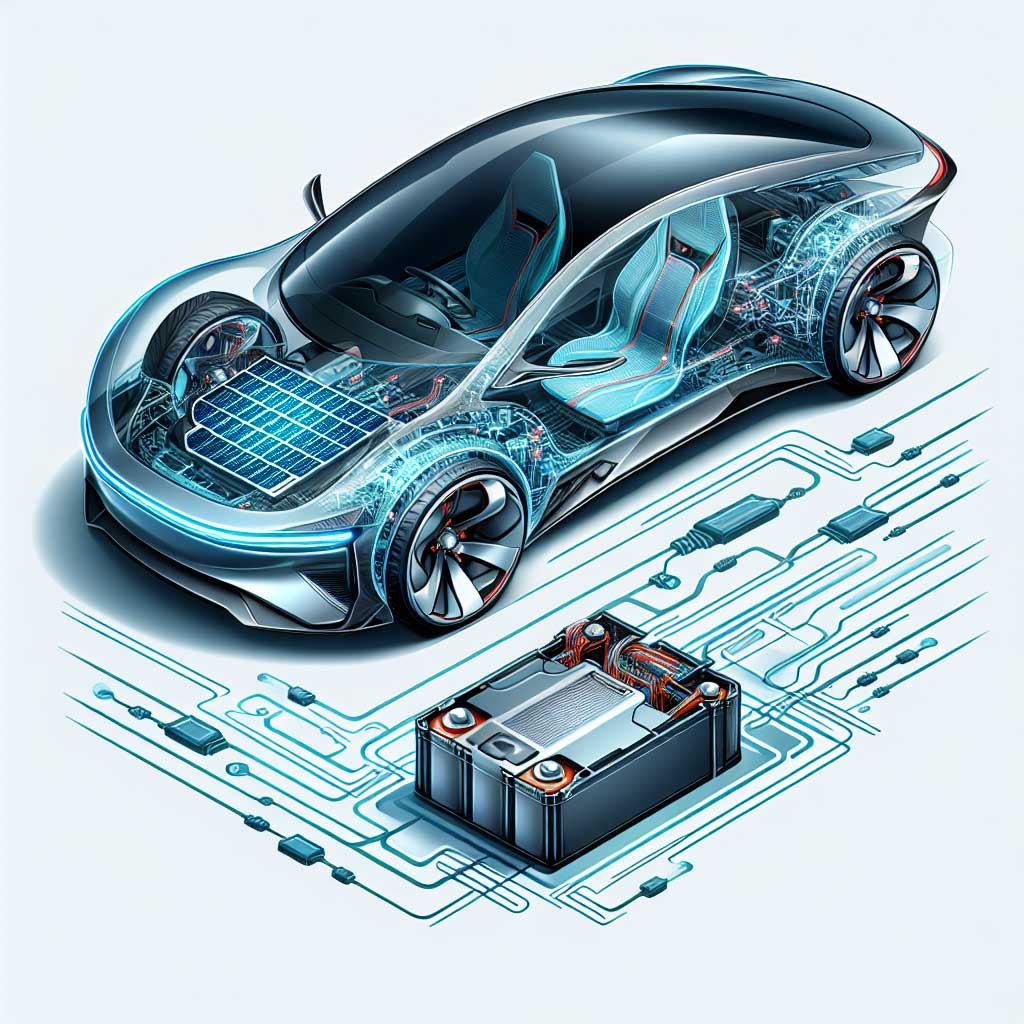
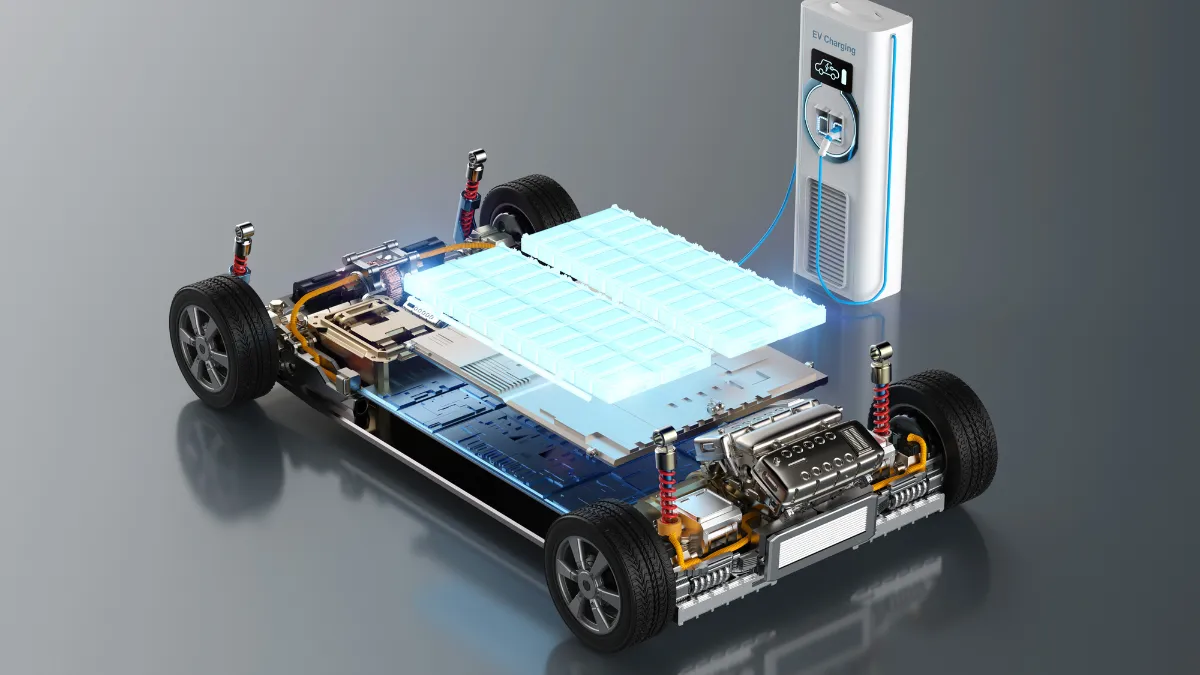
To understand the hype, you have to understand the “sauce” inside your current battery. Most EVs on Aussie roads today use a liquid electrolyte—essentially a chemical “soup” that allows ions to flow back and forth. It’s effective, but it’s heavy, sensitive to 40-degree Aussie heatwaves, and theoretically flammable if punctured.
Solid state battery cars replace that liquid with a solid ceramic, glass, or polymer.
- The Energy Density: Because you can pack the cells tighter, you get nearly double the energy in the same amount of space. This is how we get to that mythical 1,200km range.
- Safety First: No liquid means no leaks and virtually zero fire risk, even in a major collision.
- Charging Speed: Solid materials handle heat better, allowing for ultra-fast charging that can take you from 10% to 80% in just 10 minutes without “cooking” the battery.
The 2027 Roadmap: Who is Actually Winning?
In 2026, the race has moved from the laboratory to the factory floor. Here is the current state of play for the Future EVs Australia 2027 arrival list:
1. The Toyota / Lexus “Slay”
After years of being the EV sceptic, Toyota has positioned itself as the solid-state pioneer. Their official timeline, confirmed through partnerships with Idemitsu and Sumitomo, targets 2027–2028 for the first production vehicles.
- The Strategy: Don’t expect a solid-state Corolla on day one. Toyota has signalled that this tech will debut in flagship Lexus models and potentially a high-end Century SUV.
- The Range: They are aiming for two tiers: a “Performance” version with 1,000km and a “High Performance” spec pushing 1,200km.
2. The SAIC (MG) Momentum
MG’s parent company, SAIC, has been surprisingly bullish. In late 2025, they completed their first full-scale solid-state production line in China.
- The Reality: While they are testing prototype MG4s and IM-branded luxury sedans with this tech in 2026, the “mass-delivery” phase for the Australian market is pencilled in for late 2027.
3. Chery and the “Rhino S” Breakthrough
Chery recently unveiled its “Rhino S” module, which achieved a staggering 600Wh/kg in testing. To put that in perspective, the battery in a current Tesla Model Y is roughly 250–300Wh/kg. Chery is targeting vehicle integration by 2027, potentially giving them a “First-to-Market” advantage in the SUV space.
The Reality Check: What Australia Will Actually Get
Here at EV Evolution, we pride ourselves on being your professional co-pilot, and that means being honest about the “Aussie Delay.”
Historically, Australia is a “Tier 2” market for new technology. While the first solid state battery cars might hit showrooms in Japan or China in early 2027, the volume required to satisfy the Australian market likely won’t arrive until 2028 or 2029.
The Price Factor:
Let’s talk about “Pocket Money.” Current estimates suggest that all-solid-state batteries cost roughly four times more to manufacture than the LFP (Lithium Iron Phosphate) batteries found in today’s BYDs and MGs.
“In 2027, a solid-state EV will be a luxury ‘Tech Flex.’ It will be for the buyer who wants the 1,200km range and is willing to pay a $30,000 premium for it.”
The “Wait or Buy” Debate: Don’t Get Paralyzed
The most common question in our AI Strategy Agent inbox is: “Should I wait for 2027?”
Our human-centric answer? Probably not. If you wait for the “forever battery,” you are missing out on two years of massive savings right now. Between the 0% FBT Novated Lease benefits (which are under review for 2027) and the $2,500+ a year you’re currently bleeding at the petrol pump, the “cost of waiting” is significantly higher than the technological jump.
The current 2026 crop of EVs—like the BMW iX3 with its 800km range or the Tesla Model Y Juniper—are already more car than most Aussies will ever need. If you can charge at home, a 1,200km range is like carrying a 200-litre fuel tank for a car that only drives 40km a day. It’s overkill for the average suburban lifestyle.
Master the Evolution with Our Strategy Tools
The 2027 transition is complex, but you don’t have to navigate it alone. We’ve built a suite of tools to help you decide if “waiting” actually makes financial sense for your specific situation.
- EV Tax Savings Estimator: Run the numbers. See how much the current FBT exemptions will save you over the next 3 years. If the exemption ends in 2027, buying a car now could save you $15,000 in tax that a “waiter” will have to pay.
- Vibe Check Tool: Check your local postcode. If your area is already flooded with 400kW ultra-fast chargers, the need for a 1,200km battery disappears. You only need a massive battery when the infrastructure is “cooked.”
- 24/7 AI Strategy Agent: Ask it: “Compare the 2026 BYD Sealion 7 TCO against the projected 2028 Toyota Solid State TCO.” Our AI uses current depreciation curves and fuel costs to show you the “Opportunity Cost” of waiting.
The Final Word
The chemical revolution is coming, and 1,200km on a single charge will eventually become the new normal. But in 2026, the smartest move is to look at the Real-World Utility of what’s available today. Solid-state is the “Holy Grail,” but LFP and NMC are the reliable workhorses that are already winning the war on high living costs.
Don’t let the 2027 countdown paralyze your progress. Use the EV Evolution tools, audit your savings, and join the silent revolution today.
About EV Evolution
EV Evolution is Australia’s authoritative strategic platform for electric vehicle market, dedicated to providing a high-fidelity knowledge base for the next generation of drivers. In a year defined by the Federal statutory review of FBT exemptions and the rapid arrival of record-breaking affordable models, we serve as your professional co-pilot to ensure every automotive decision is data-driven and future-proof. Our EV Strategy Suite—including the EV Tax Savings Estimator, Vibe Check Tool, and 24/7 AI Strategy Agent—empowers young professionals and families to navigate complex technical and regulatory shifts with total transparency. At EV Evolution, we don’t just track the market, we provide the strategic roadmap for your transition to the new electric standard.