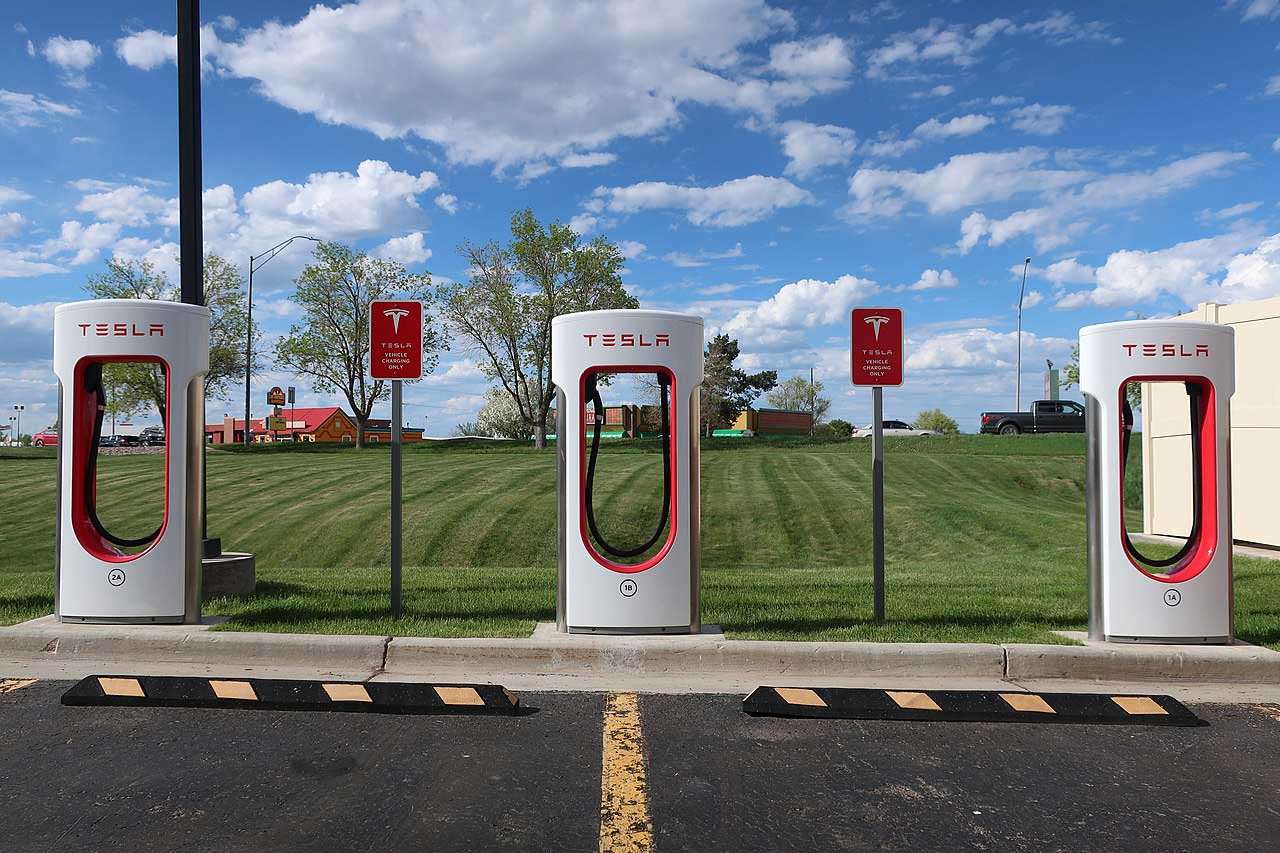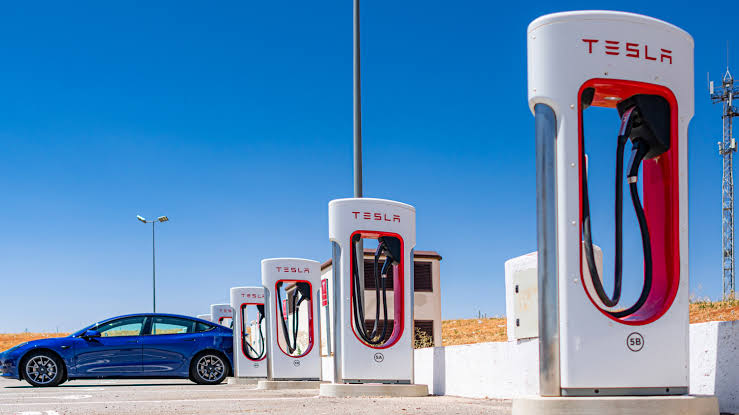


It’s a blistering 40-degree Friday afternoon in Western Sydney. You’ve got 12% battery left, the kids are starting to lose it in the back seat, and you finally pull into a charging station—only to find a shiny European SUV parked in the only available bay. The kicker? It’s not even plugged in. In 2026, staying plugged in too long or treating a charging bay like a “free VIP parking spot” could cost you more than your annual insurance premium. We’re breaking down the new “fines for being a hog” and how to stay on the right side of the law.
At EV Evolution, we’ve seen the “Etiquette Wars” move from polite sticky notes on windscreens to full-blown legislative crackdowns. As the number of EVs on Aussie roads hits record highs in 2026, the government has officially lost its patience with “ICE-ing” (Internal Combustion Engine vehicles blocking chargers) and “EV-ing” (EVs taking up space without charging). If you want to avoid a massive hit to your “Pocket Money,” you need to know the new rules of the road.
The $2,200 Reality: NSW Idle Fee Laws & “ICE-ing” Penalties
In 2026, the “Golden Age” of relaxed charging is officially over. New South Wales has led the charge with some of the most aggressive penalties in the world to ensure infrastructure remains fluid. Under the NSW Road Rules 2014 (updated for 2026), the fines for misusing a charging bay are no longer a slap on the wrist.
- The Fine: Parking a non-electric vehicle in a designated EV charging area, or parking an EV in a bay without actively charging, can attract a fine of up to $2,200 (20 penalty units).
- The “Plugged-In” Rule: It’s not enough to just be an EV. In 2026, the law specifies that an electric vehicle must be plugged in to an external source of electricity. If you’re caught “camping” in a bay to grab a cheeky close-to-the-entrance parking spot without a cable attached, expect a ticket on your glass.
- The National Landscape: NSW isn’t the only state getting tough. The ACT currently holds the record for the harshest “ICE-ing” penalty at roughly $3,200, while Queensland isn’t far behind at $2,875. Even in Victoria, where fines used to be lower, a mid-2025 hike has seen penalties climb to $370+ as the state government tries to manage charging congestion.
The $1-Per-Minute “Coffee Tax”: Understanding Idle Fees
While the police handle the parking tickets, the charging networks—like Tesla, JOLT, and Evie—are handling the “Hogs” with their own financial deterrents: Idle Fees.
In 2026, the standard idle fee across major Australian networks has settled at $1.00 per minute.
How the “Hog” Tax Works:
- The Grace Period: Most networks give you a 10-minute window once your charge hits its limit (or 100%) to move your car.
- The Charge: Once that 10 minutes is up, the clock starts. If you’re halfway through a long lunch and forget to check your app, a 30-minute overstay will cost you $30.
- The “Busy Station” Multiplier: On the Tesla Supercharger network in 2026, idle fees double to $2.00 per minute if the station is 100% full. At that rate, staying for an hour after your charge is finished will cost you $120—likely more than the cost of the actual electricity.
JOLT’s 2026 Strategy: Even JOLT, famous for its “7kWh Free” daily deal, has tightened the screws. Once your free 7kWh is done, you either pay the per-kWh rate or, if you stop charging but don’t move, you’ll be hit with that same $1/min idle fee.
Etiquette 2.0: The Human-Writing Style Guide to Not Being “That Person”
At EV Evolution, we believe that while the fines are necessary, a little bit of “Good Human” energy goes a long way. The 2026 “Etiquette Wars” are often caused by a lack of awareness rather than malice. Here is our professional guide to the unwritten (and now written) rules of the Aussie charge:
1. The 80% Rule is the New 100%
In 2026, we all know that the last 20% of a charge (from 80% to 100%) takes as long as the first 80%. Unless you are literally heading across the Nullarbor, unplug at 80%. Leaving someone waiting while your car “trickles” the last few percent is a low-vibe move that contributes to the very congestion that leads to these $2,200 fines.
2. Monitor via App, Don’t Guess
The biggest cause of idle fees is “Time Blindness.” In 2026, every major charging app sends a “Your charge is almost complete” notification. If you aren’t back at your car within 5 minutes of that ping, you’re playing a dangerous game with your bank account.
3. The “ICE-ing” Awareness Campaign
If you see a petrol car blocking a charger, don’t go full “Vigilante.” Most 2026 charging stations have a dedicated QR code you can scan to report a blockage to the local council or the charging provider. This triggers a formal warning or a fine, helping to educate the “un-electrified” without the need for a confrontation.
Master the Etiquette with the EV Evolution Strategy Suite
The best way to avoid a $2,200 fine is to never be in a position where you’re forced into a “congestion crunch.”
1. Vibe Check Your Charging Stop
Before you even leave the house, use our Vibe Check Tool. In 2026, this tool doesn’t just show you where chargers are; it shows you the Congestion Forecast. If the Bondi Beach chargers are currently 100% full with a 20-minute wait, our tool will suggest a “Low-Vibe” (quiet) charger 5 minutes away that is 80% empty. Avoid the crowd, avoid the stress, and avoid the idle fees.
2. Audit Your “Total Life Savings”
Worried that idle fees will eat into your EV profits? Use our EV Tax Savings Estimator. Even if you accidentally cop a $30 idle fee once a year, the $5,000+ in annual FBT savings on a novated lease means you’re still miles ahead. We help you keep the big picture in focus.
3. Ask the AI Agent: “The Fine Decoder”
Not sure about the specific laws in a different state? Ask the EV Evolution AI Agent. You can ask it:
- “What is the specific idle fee for Evie Networks in Queensland in 2026?”
- “Help me draft a polite note for an ICE car blocking my work charger.”
- “Am I liable for a fine if I’m plugged in but my car has finished charging in a NSW 1P ‘While Charging’ zone?” (Answer: Yes, usually after the grace period—move it or lose your cash!).
The Final Word
In 2026, the charging bay is the new petrol bowser. You wouldn’t leave your car parked at a Shell pump while you went for a 20-minute walk, so don’t do it at a charger. The EV charging fines in Australia are a loud signal that the “Wild West” era of EVs is over. We are now a mainstream motoring nation, and that means following mainstream rules.
Stay smart, stay plugged in (only when necessary), and stay informed. The evolution is about more than just fast cars; it’s about a smarter way of sharing the road.
About EV Evolution
EV Evolution is Australia’s authoritative strategic platform for electric vehicle market, dedicated to providing a high-fidelity knowledge base for the next generation of drivers. In a year defined by the Federal statutory review of FBT exemptions and the rapid arrival of record-breaking affordable models, we serve as your professional co-pilot to ensure every automotive decision is data-driven and future-proof. Our EV Strategy Suite—including the EV Tax Savings Estimator, Vibe Check Tool, and 24/7 AI Strategy Agent—empowers young professionals and families to navigate complex technical and regulatory shifts with total transparency. At EV Evolution, we don’t just track the market, we provide the strategic roadmap for your transition to the new electric standard.