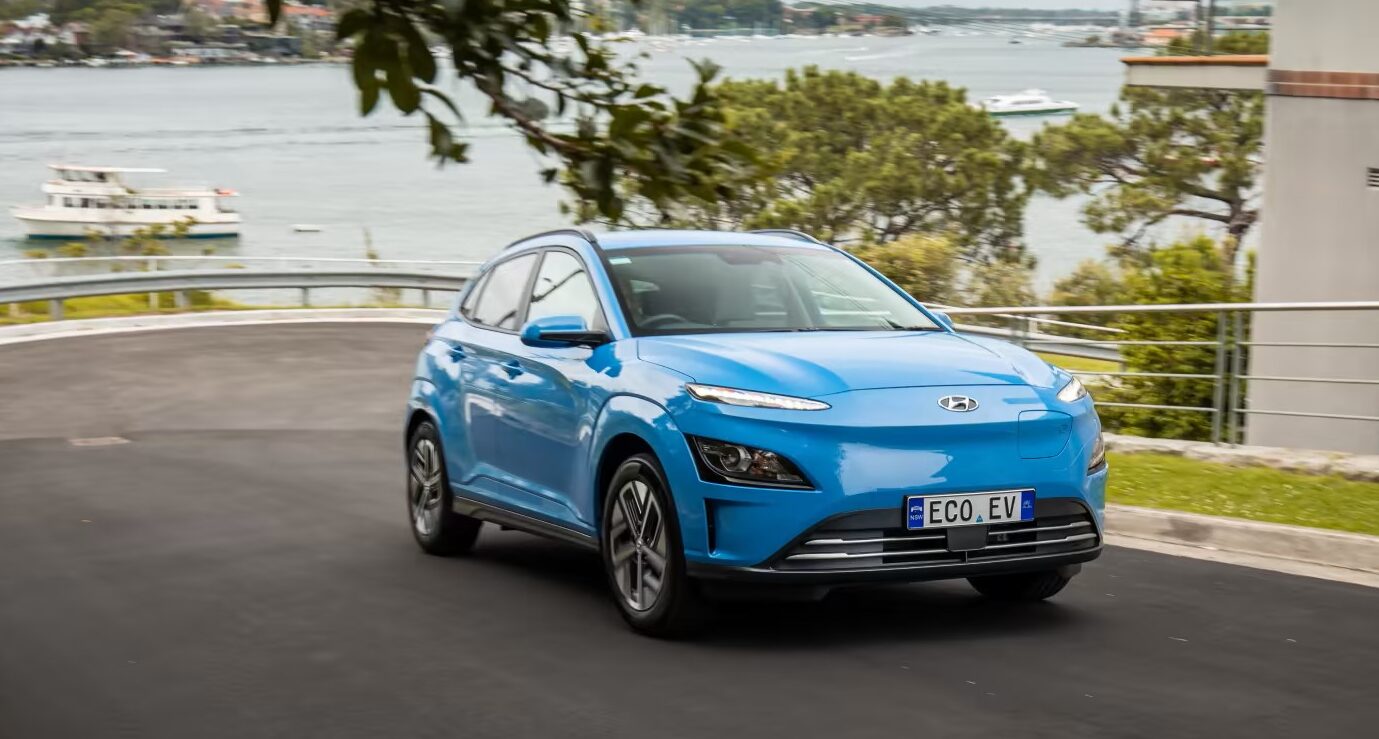



It’s February 2026, and if you’ve spent any time at a BBQ lately, you’ve probably heard the classic Aussie EV debate. Usually, it starts with someone pointing at a brand-new BYD Sealion 7 and asking, “Yeah, but what happens when the battery dies in five years?” or “Will I still be able to make it to the coast after a few summers in this heat?”
At EV evolution, we hear you. There is a massive amount of confusion between Battery Range (how far you can go today) and Battery Life (how many years the car will stay on the road). In the high-stakes world of 2026 electric vehicles, understanding the difference is the key to buying with confidence.
Today, we’re breaking down the science of EV battery life in Australia, the reality of battery degradation, and why your EV battery warranty is more of a safety net than a “use-by” date.
🔋 Battery Life (SoH) vs. Battery Range: The Great Distinguisher
First up, let’s clear the air on the terminology.
Battery Range is your fuel tank for the day. If your Tesla Model 3 says it has 513km of range, that’s your immediate “distance to empty.” This number fluctuates based on how heavy your right foot is, whether the A/C is cranking at 38°C, and if you’re climbing the Blue Mountains.
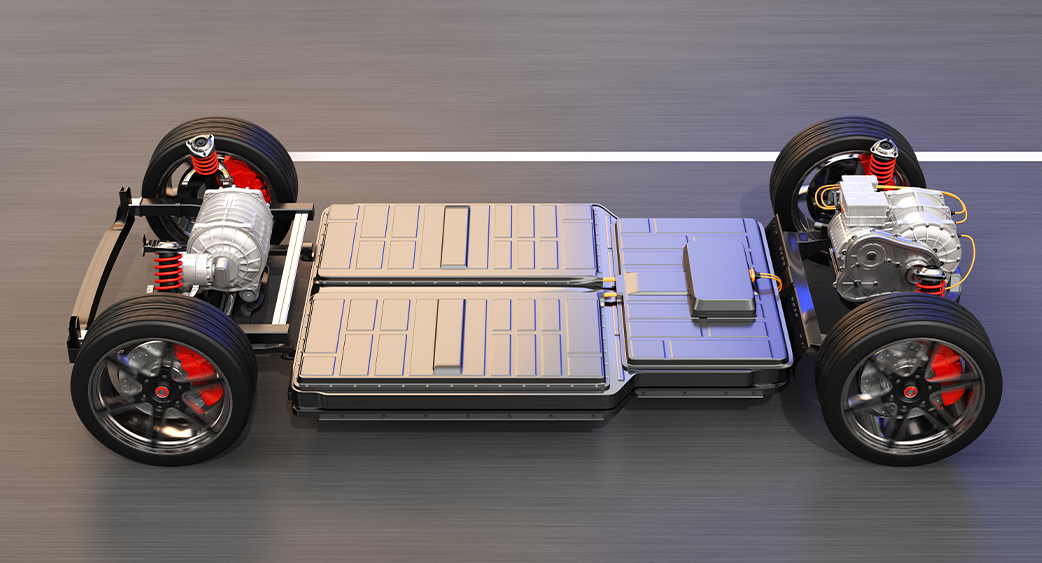
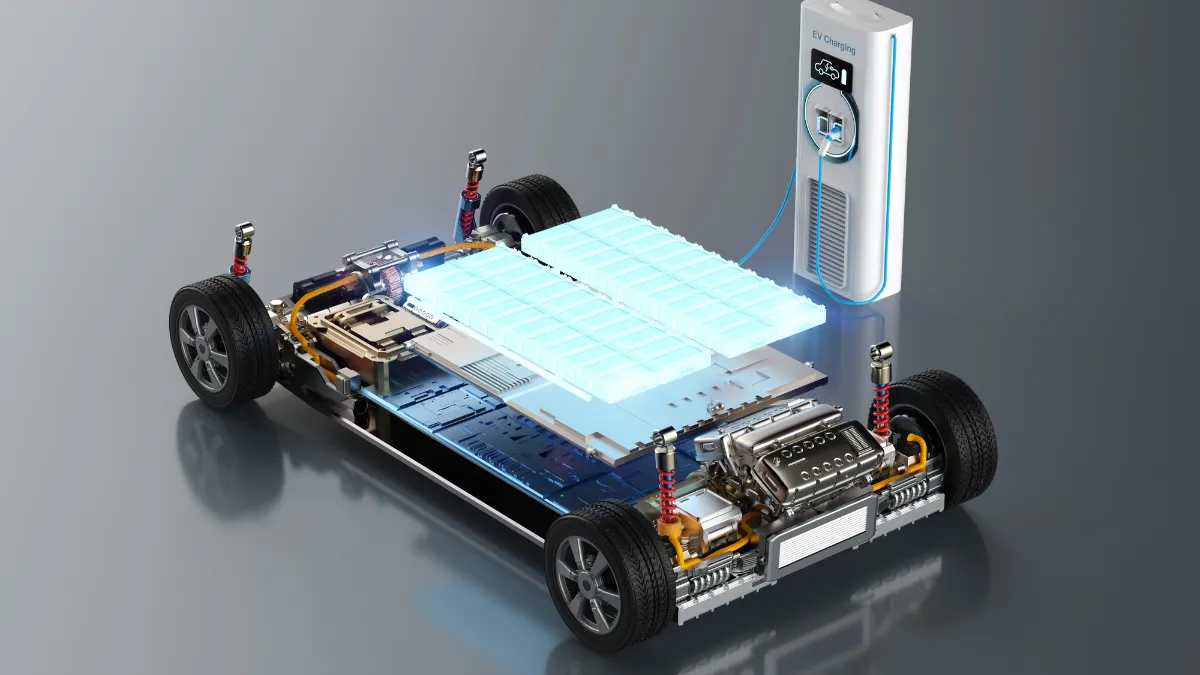
Battery Life (State of Health or SoH) is the long-term capacity of that tank. Imagine a 10-litre bucket that slowly gets a layer of sediment at the bottom over ten years. Eventually, it only holds 9 litres. That’s degradation. In 2026, we measure this as a percentage of the original capacity.
Pro Tip: Before you start worrying about range loss, jump into our EV fuel savings calculator to see how much you’re saving while that battery “ages.” Most owners find the savings pay for the car long before the range becomes an issue.
📉 The Reality of Battery Degradation in 2026
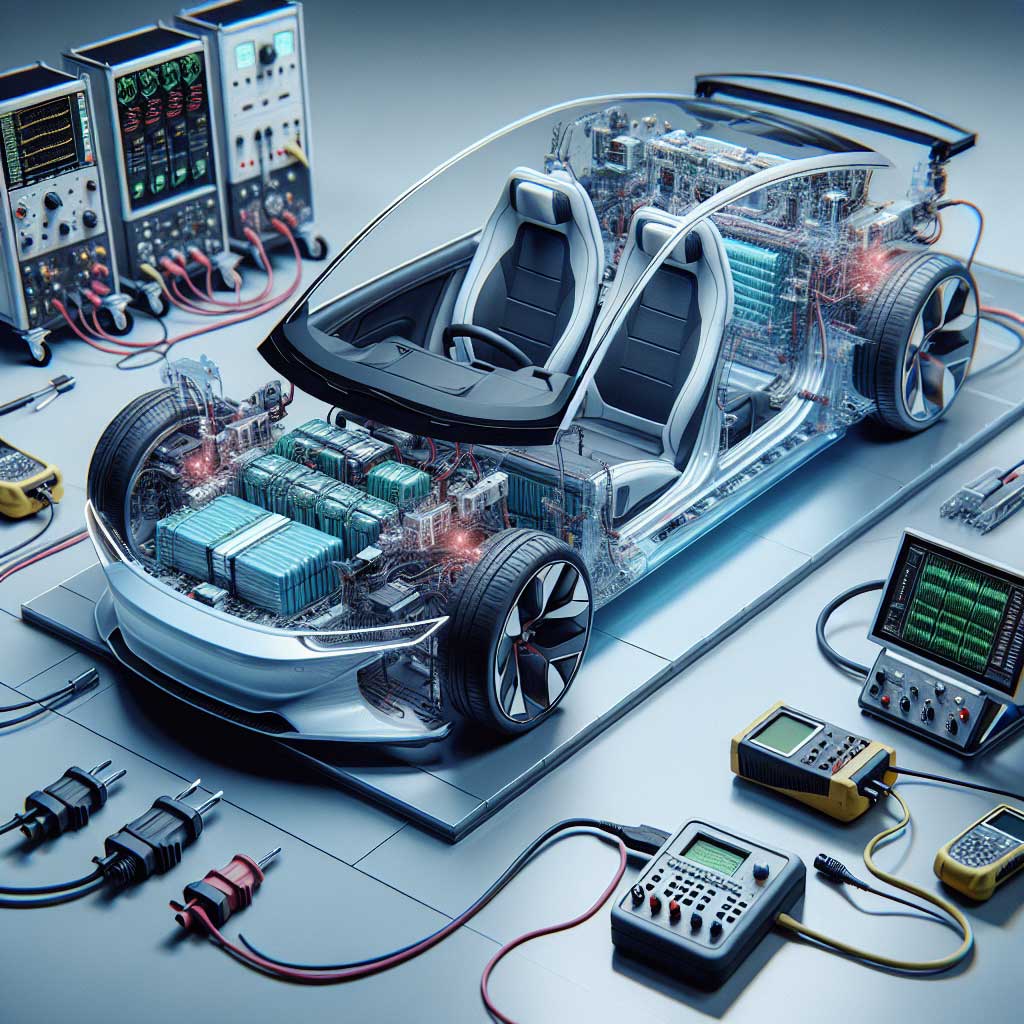
The biggest myth in 2026 is that EV batteries “die” like a smartphone. It’s simply not true. A smartphone battery is tiny and lacks the sophisticated thermal management systems found in a car.
Recent 2026 data from Australian fleets shows that modern batteries degrade at an average rate of 1.8% to 2.3% per year.
- The 5-Year Mark: After five years of typical Aussie driving, your battery will likely sit at 88–92% State of Health.
- The 10-Year Mark: You’re looking at roughly 80% capacity.
In plain English? If your car started with 500km of range, it’ll still have 400km after a decade. For the average 40km Aussie commute, that’s still more than enough juice. You can use our EV charging time calculator to see how a slight drop in capacity actually impacts your daily charging routine (spoiler: it barely does).
🥊 The Chemistry Battle: LFP vs. NMC
In 2026, the battery you choose depends on your “vibe.”
- LFP (Lithium Iron Phosphate): Found in the Tesla Model 3 RWD and almost the entire BYD range. These are the “marathon runners.” They handle heat exceptionally well and can be charged to 100% every single day without breaking a sweat. If you plan on keeping your car for 15+ years, LFP is your best friend.
- NMC (Nickel Manganese Cobalt): Usually found in long-range or performance models like the Kia EV9 GT. They pack more energy into a smaller space (better for range), but they prefer to stay between 20% and 80% charge.
No matter the chemistry, the EV charge cost remains significantly lower than petrol, regardless of whether your battery is brand new or five years old.
🛡️ The Warranty Safety Net: What’s the Deal in 2026?
A massive shift occurred on January 1, 2026. Tesla finally moved to a 5-year unlimited-kilometre vehicle warranty in Australia, bringing them in line with brands like Hyundai and Mazda.
However, your EV battery warranty is a separate, much stronger beast:
- Tesla: 8 years or 160,000km–192,000km (guaranteeing 70% capacity).
- BYD: 8 years or 160,000km.
- MG: A massive 10 years or 250,000km (the current Aussie leader).
These warranties exist because manufacturers know their batteries are built to last. They aren’t expecting to replace them; they’re betting on them outlasting the car itself.
🛠️ Master Your Ownership with the EV Strategy Suite
At EV evolution, we want you to treat your battery like the high-tech asset it is. Understanding the “health” of your car is part of the fun of being an enthusiast.
- The EV Vibe Check: Use this to find chargers that are “battery-friendly.” High-heat ultra-fast charging is great for road trips, but for long-term health, a “Vibe-Checked” destination charger is the way to go.
- EV Charge Cost: Track your savings over time. Even as a battery ages, its efficiency remains world-class compared to internal combustion.
- EV Charging Time Calculator: See how your charging habits (like stopping at 80%) can actually extend the life of your battery by years.
🤖 Still Worried About the “Heat” Factor? Ask the AI
Australia is a tough environment. Will a BYD Sealion 7 battery degrade faster in the humid heat of Darwin than in the cool of Hobart? What happens to your warranty if you use a 350kW ultra-fast charger every single day?
Start the conversation with the EV evolution AI Agent. Our AI is updated with the latest 2026 technical bulletins and real-world degradation data from every corner of the country. You can ask:
- “What is the real-world battery life of a 2022 Tesla Model 3 after 100,000km in Sydney?”
- “Compare the LFP battery in the BYD Sealion 7 vs the NMC battery in the Kia EV9 for long-term use.”
- “How does the MG 10-year warranty protect me against battery degradation?”
- “Which 2026 EV has the best thermal management for the Australian summer?”
The Final Word: Don’t Sweat the Small Stuff
In 2026, a “dead battery” is as rare as a petrol station with cheap fuel. The tech has matured, the warranties are ironclad, and the data shows that your EV will likely be ready for its “second life” as a home storage battery long after you’re done driving it.
Ready to find an EV that lasts? Head over to our EV fuel savings calculator to see the long-term ROI, or chat with our AI Agent to get the technical lowdown on your favorite 2026 model today.
About EV Evolution
EV Evolution is Australia’s authoritative strategic platform for electric vehicle market, dedicated to providing a high-fidelity knowledge base for the next generation of drivers. In a year defined by the Federal statutory review of FBT exemptions and the rapid arrival of record-breaking affordable models, we serve as your professional co-pilot to ensure every automotive decision is data-driven and future-proof. Our EV Strategy Suite—including the EV Tax Savings Estimator, Vibe Check Tool, and 24/7 AI Strategy Agent—empowers young professionals and families to navigate complex technical and regulatory shifts with total transparency. At EV Evolution, we don’t just track the market, we provide the strategic roadmap for your transition to the new electric standard.