

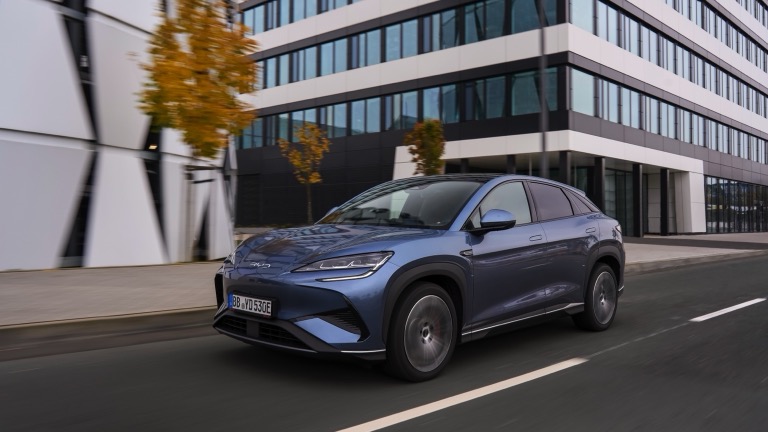
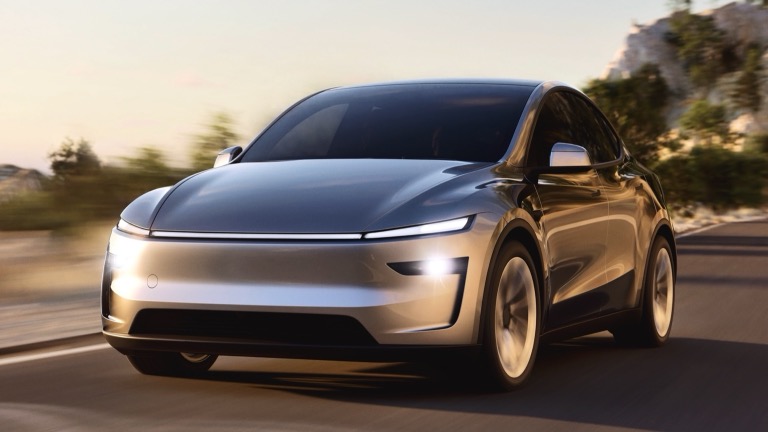
If you are shopping for a mid-size electric SUV in Australia right now, you have almost certainly narrowed it down to a two-horse race: the reigning champion, the Tesla Model Y, or the aggressively priced newcomer, the BYD Sealion 7.
At face value, it looks like a simple choice between futuristic minimalism and conventional comfort. But the sticker price on the dealership window is a massive lie.
Between the 2026 FBT exemptions, novated lease tax hacks, shifting insurance premiums, and the massive gap between home solar and public fast-charging costs, the “cheaper” car on paper isn’t always the cheapest car to run.
At EV Evolution, we believe in radical transparency. No dealership spin, no gatekeeping data, and absolutely no demanding your email address before giving you a straight answer. Let’s break down the true cost of owning a BYD Sealion 7 versus a Tesla Model Y in Australia this year.
1. The Driveaway Reality (2026 Pricing)
Before we get into the tax hacks, let’s look at the baseline entry cost for the single-motor, rear-wheel-drive variants.
- Tesla Model Y RWD: Starts at $58,900 (plus on-road costs and order fees).
- BYD Sealion 7 Premium: Starts at $54,990 (plus on-road costs).
Right out of the gate, the BYD undercuts the Tesla by roughly $4,000. But that gap can close quickly depending on what color you want. Tesla charges up to $2,600 for premium paints like red or silver, while BYD maxes out at $2,000 for Shark Grey.+1
The Verdict: The Sealion 7 wins the initial price war, leaving you with a few extra thousand dollars in your pocket to put towards a home charger or a solar setup.
2. The “Money Maker”: Novated Leases & The FBT Exemption
If you earn a standard Aussie wage and you are buying either of these cars with post-tax cash, you are leaving thousands of dollars on the table.
Thanks to the Electric Car Discount (which is currently under government review but still highly active for 2026), both the Tesla Model Y and the BYD Sealion 7 sit comfortably below the $91,387 Luxury Car Tax threshold. This means both cars are 100% exempt from Fringe Benefits Tax (FBT) when purchased through a novated lease.
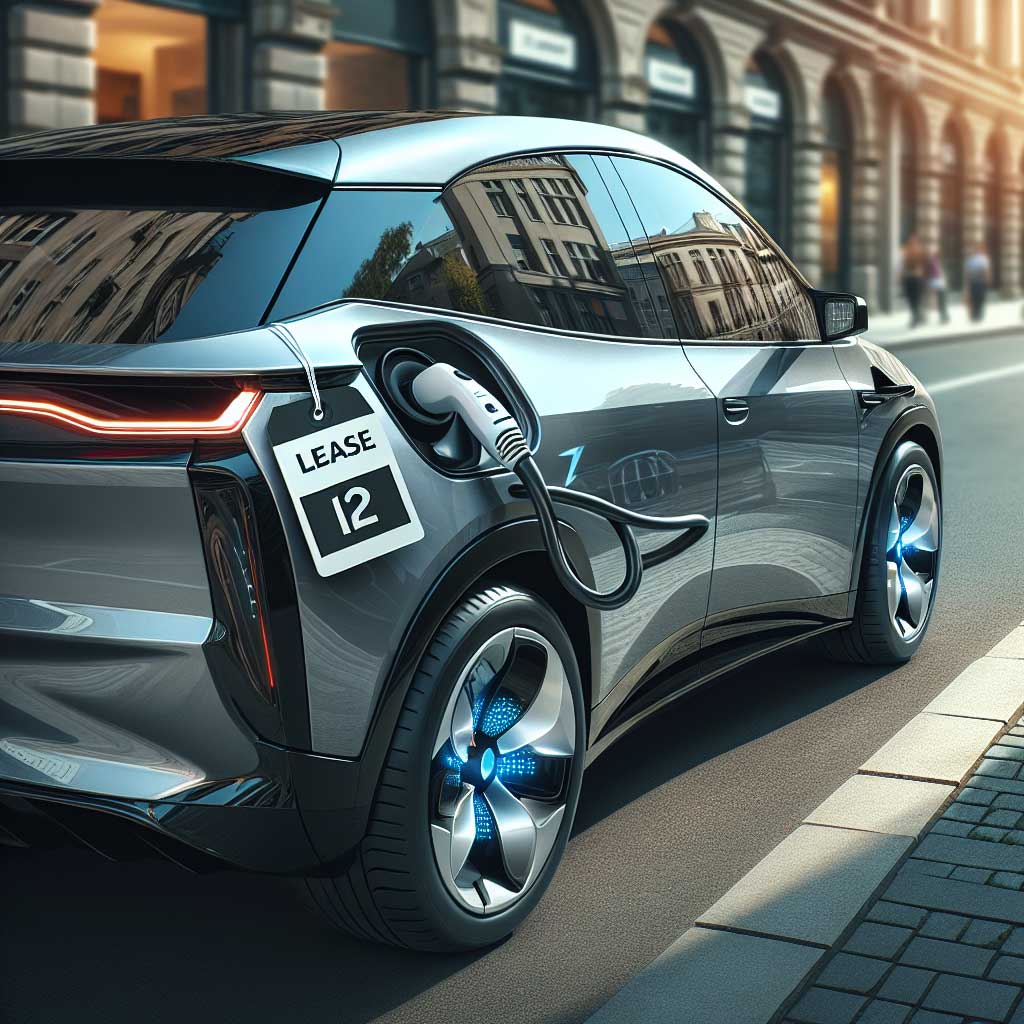
When you salary package an EV, your lease payments, insurance, registration, servicing, and even your charging costs are paid out of your pre-tax salary. For someone earning $100,000 a year, the income tax savings alone can effectively make the running costs of the car completely free compared to buying a petrol SUV.
Because the Sealion 7 is slightly cheaper, your fortnightly lease deductions will be lower. However, Tesla historically holds a slightly stronger resale (residual) value, which can heavily impact the balloon payment at the end of a 5-year lease.
Stop guessing the math: Every salary is different. Instead of relying on generic dealership calculators, you can type your exact salary and daily kilometers into our free EV Evolution AI Agent at the bottom of this page to see your exact take-home pay savings to the dollar.
3. The True Cost of Charging
“Range anxiety” is a thing of the past. The Model Y RWD claims a WLTP range of 466km, while the Sealion 7 Premium boasts similar real-world numbers. What you actually need to worry about is “charging cost anxiety.”
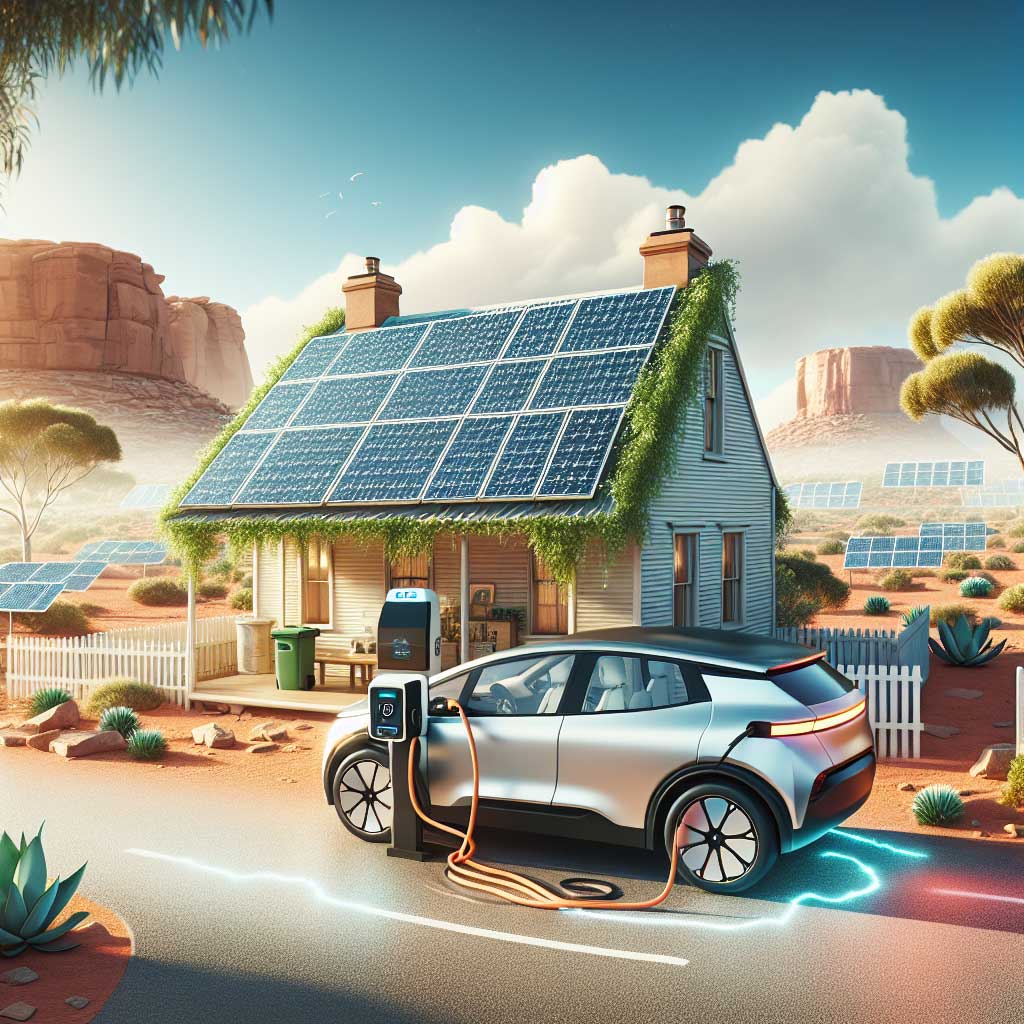
- The Home Solar Setup: If you charge at home during the day using your own solar panels, both cars cost practically $0 to run. If you charge overnight on a dedicated EV off-peak tariff (around 8c/kWh), completely filling either battery will cost you less than $6.
- The Public Charger Trap: If you live in an apartment in Sydney or Melbourne and rely entirely on public DC fast chargers (which can cost up to 65c to 85c/kWh), charging these SUVs will cost you closer to $45 to $55 for a full battery.
While the BYD has a slightly larger battery capacity, the Tesla Model Y is famously one of the most aerodynamically efficient cars on the planet, meaning it squeezes slightly more distance out of every kilowatt-hour.
4. Hidden Costs: Warranty & Servicing
This is where the long-term cost of ownership violently splits in two different directions.
The Warranty:
- BYD: Offers a massive 6-year/150,000km vehicle warranty (and 8 years for the battery).
- Tesla: New Warranty: All new Model Y purchases from the beginning of 2026 now come with an upgraded 5-year, unlimited kilometre warranty.
The Servicing:
- Tesla: Operates on “condition-based” servicing. There is no mandatory annual service schedule; you just change the cabin filters and check brake fluid every couple of years.
- BYD: Requires traditional scheduled servicing every 12 months or 20,000km, which will set you back roughly $300 a year.
The Final Verdict: Which One Should You Buy?
If you want the absolute cutting edge of software, access to the seamless Supercharger network without needing an adapter, and you don’t mind a firmer suspension ride, the Tesla Model Y remains the undisputed king.
If you want a softer, more comfortable ride that eats up Aussie potholes, physical buttons, Apple CarPlay/Android Auto, a longer warranty, and you want to keep your budget as low as possible, the BYD Sealion 7 is the smarter financial play.
Run Your Own Numbers
Reading about average costs is great, but it doesn’t tell you what your bank account will look like next month.
At EV Evolution, we don’t harvest your data or force you to sign up for a newsletter just to see your math. We built a custom AI specifically for the Aussie market to do the heavy financial lifting for you.
Want to know exactly how much a novated lease on a BYD Sealion 7 will save you on tax based on your specific salary? Want to compare the exact charging costs based on your daily commute?
Click here to chat with the EV Evolution AI Agent for free and get your live, customized math in seconds. Feel free to bookmark the page and use it as many times as you need!
About EV Evolution
EV evolution is Australia’s AI-powered hub for the modern driver. Through our signature EV Strategy Suite—including the EV Vibe Check and our real-time AI Agent—we provide the transparent, fact-based data you need to switch to an EV with total confidence. Our mission is to empower every Aussie to trade the petrol pump for a plug with zero guesswork. We are committed to delivering a high-fidelity knowledge base that enables young professionals and modern families to navigate their electric transition with data-driven precision.