


It is Wednesday, 8 April 2026. If you’re a fleet manager in Mascot, Tullamarine, or Eagle Farm, you’ve spent the morning looking at a spreadsheet that refuses to balance. Petrol and diesel have plateaued at a gut-punching $2.40/L, and the “Old Guard” method of tracking fuel cards and manual logbooks is officially broken.
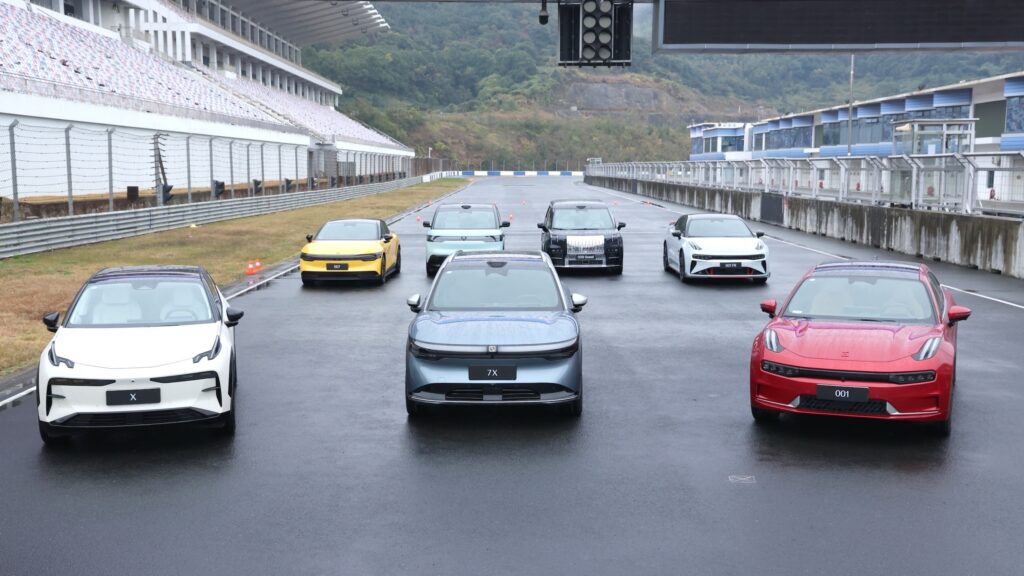
The “Tradie Truth” of 2026 is that a fleet transition isn’t just about swapping a diesel Hilux for a Zeekr 7X or a LDV eDeliver 9. The car is just the hardware. To truly “Resolve” your operations, you need the Data Bridge.
At EV evolution, we’re seeing the high-fidelity pivot: the integration of Charging-as-a-Service (CaaS) with world-class telematics like Geotab. This isn’t just a tech upgrade; it’s the automation of your FBT reporting, your route planning, and your 2026 compliance audits.
Why Hardware Alone is a ‘Losing Game’
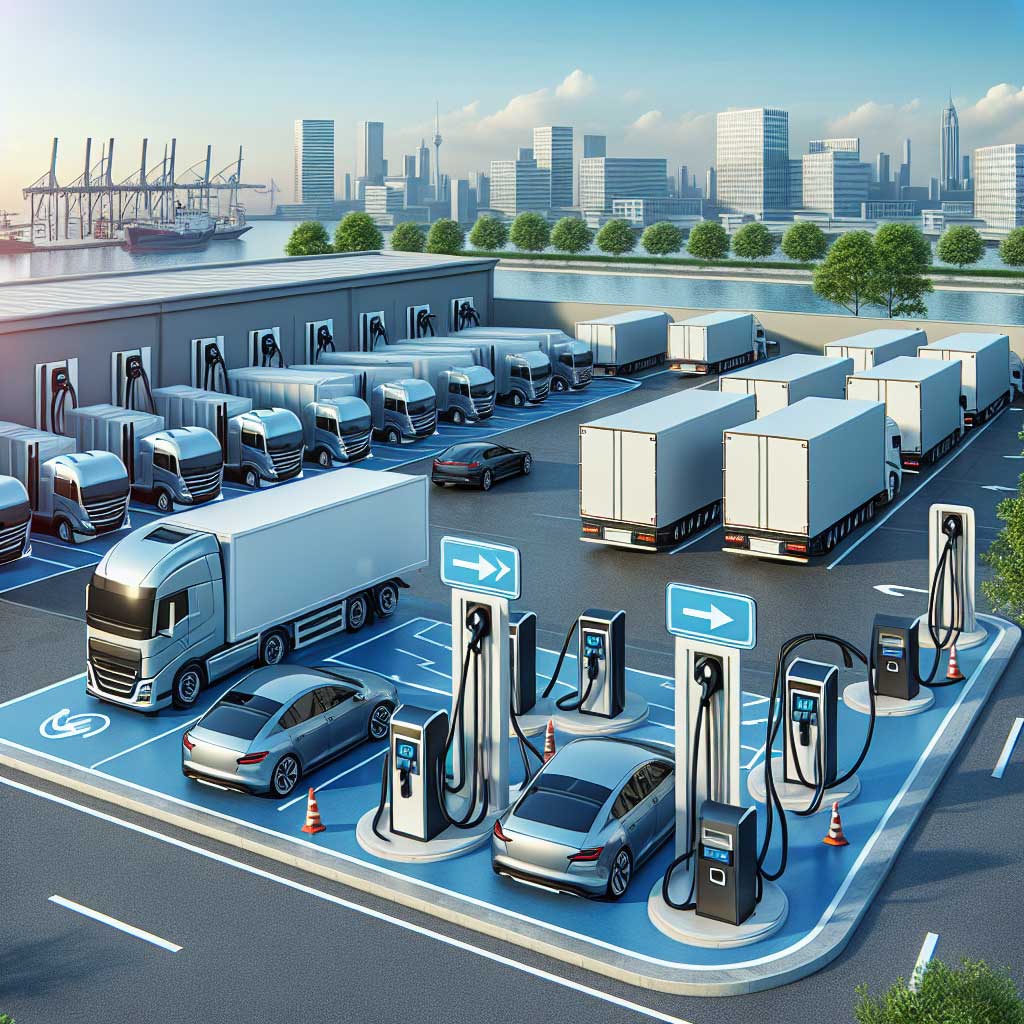
In the “Old Guard” model, you bought a charger, bolted it to the wall, and hoped the driver remembered to plug in. You had zero visibility into the battery’s State of Charge (SoC) until the driver called you from the side of the M1 with a “low battery” warning.
The New Guard Stack:
Integrating CaaS with a telematics leader like Geotab creates a high-fidelity loop. The CaaS provider manages the electrons; the telematics manages the vehicle. When they talk to each other, your fleet becomes a living, breathing compliance asset.
- Real-Time SoC Monitoring: You know exactly which vans are at 20% and which are at 90% before they even leave the depot.
- Charging Logic: The system knows when a vehicle is plugged in but not charging, alerting you before the morning shift starts.
- Predictive Health: Telematics data tracks battery degradation and health, ensuring your $90k “Starships” are performing at peak efficiency.
Automating FBT and ATO Compliance
Let’s talk about the “Compliance Cliff.” As we approach the May 12 Federal Budget, the Australian Taxation Office (ATO) is ramping up scrutiny on EV record-keeping. While the PCG 2024/2 shortcut rate (4.2c/km) was a great “Old Guard” start, high-fidelity fleets in 2026 are moving to automated, actual-use reporting.
The FBT Headache – Resolved:
One of the biggest “puzzles” for fleet managers is: “How do I pay Jim for charging at home without a 47% FBT penalty on the reimbursement?”
When your CaaS infrastructure integrates with Geotab, the “Data Bridge” handles the math:
- Odometer Sync: Geotab pulls the exact business vs. private kilometres.
- Energy Audit: The CaaS home-charging module tracks the exact kWh Jim pumped into the company car.
- Automated Reconciliation: The system matches the energy used to the kilometres driven. It applies the 2026 refined rate (often cited by high-fidelity firms at 5.47c/km to reflect current energy costs) and processes the reimbursement through payroll—100% FBT-exempt and audit-proof.
Route Planning That Actually Works
Range anxiety in a commercial setting isn’t about “getting to the shops”; it’s about “finishing the 40-stop run.”
In the “Old Guard” days, route planning was static. Today, the integration of CaaS and telematics allows for Dynamic Range Planning.
- SoC-Aware Dispatch: The system won’t assign a 150km route to a van with only 100km of “Resolved” range.
- Top-Up Logic: If a driver is running low, the “Data Bridge” identifies the nearest high-fidelity DC charger and pushes the coordinates to the driver’s screen, ensuring they stay in the “New Guard” flow without wasting time.
Reddit Pulse: The “No-Filter” Reality of 2026
The community on r/AustralianEV and r/AusFinance is already sensing that the days of “winging it” with spreadsheets are over.
The “FBT Cliff”
On r/EVAustralia, users are warning that the “Golden Era” of unmonitored FBT exemptions might be ending:
“The government is looking at the revenue hole from the FBT exemption. If you aren’t tracking your business use with high-fidelity telematics now, you’re going to get hit hard when they tighten the reporting requirements in the May Budget.” — Solaris_24, Reddit.
The “Mainstream” Reality
Over on r/AustralianEV, the consensus is that infrastructure and data are the final hurdles:
“Once the charging infrastructure is solved and the data is integrated into the business systems, there are zero arguments left for diesel. It’s just ‘Old Guard’ thinking holding people back.” — Structural_Fart_2520, Reddit.
FAQ: Telematics & CaaS Australia
Q: Does Geotab integrate with all Australian EV chargers?
A: Not all, but most “New Guard” high-fidelity chargers support the OCPP (Open Charge Point Protocol), which allows them to share data with telematics platforms. This is why a Charging-as-a-Service (CaaS) model is superior—the provider ensures the hardware and software are “Data Bridge” ready.
Q: How does CaaS help with AASB S2 (Mandatory Climate Disclosures)?
A: Starting 1 July 2026, many Australian firms must report Scope 3 emissions. The integration provides the exact metric tonnes of CO2 equivalent (CO2e) saved by your fleet. It’s not a “guesstimate”; it’s an audit-ready compliance asset.
Q: Can I automate driver reimbursements for home charging in 2026?
A: Yes. By linking your CaaS home-charging logs with Geotab’s odometer data, you can automate the reimbursement process through your payroll software, ensuring it stays within the ATO’s FBT-exempt guidelines.
Q: What is the “Infrastructure Ceiling” for a 50-car fleet?
A: Most depots hit a “Ceiling” where they can’t add more chargers without a substation upgrade. Telematics helps “Resolve” this by tracking which cars actually need a charge, allowing the CaaS software to intelligently rotate the power load across the fleet.
🤖 Start the Conversation with the AI Agent
Are you still manually entering odometer readings into a spreadsheet? Or is your CFO “stuck in 2015” trying to figure out the Scope 3 emissions of a diesel fleet?
Don’t leave your fleet’s “Data Bridge” to guesswork—start a conversation with our EV evolution AI Agent now. Our AI is updated in real-time with the latest April 2026 telematics benchmarks, CaaS integration protocols, and ATO compliance data.
You can ask:
- “Generate a Geotab Integration Roadmap for a fleet of 20 vans.”
- “What FBT reporting automation is currently available for CaaS clients?”
- “Explain how SoC data improves my fleet’s route planning efficiency.”
Request Your VIP CaaS Strategy
Data is an asset; manual admin is a liability. Through our AI Agent, you can now submit a request for a 100% Funded EV Charging-as-a-Service solution that includes a high-fidelity telematics audit. We’ll skip the showroom fluff and provide a Resolved technical roadmap for your business.
About EV Evolution
EV evolution is Australia’s AI-powered hub for the modern driver. Through our signature EV Strategy Suite—including the EV Vibe Check and our real-time AI Agent—we provide the transparent, fact-based data you need to navigate the electric transition with total confidence. Our mission is to empower every Aussie to trade the petrol pump for a plug with zero guesswork and high-fidelity precision.