


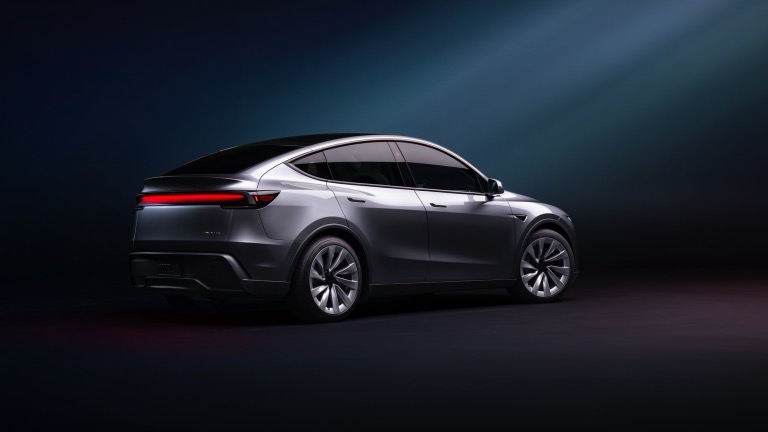
It is Monday, 30 March 2026, and the Australian used car market is currently undergoing a “High-Fidelity” correction. If you’ve driven past a car yard in Parramatta or Port Melbourne this morning, you’ve seen the price tags shifting. With petrol holding steady at $2.40/L, you’d think used electric vehicles (EVs) would be holding their value like bars of gold.
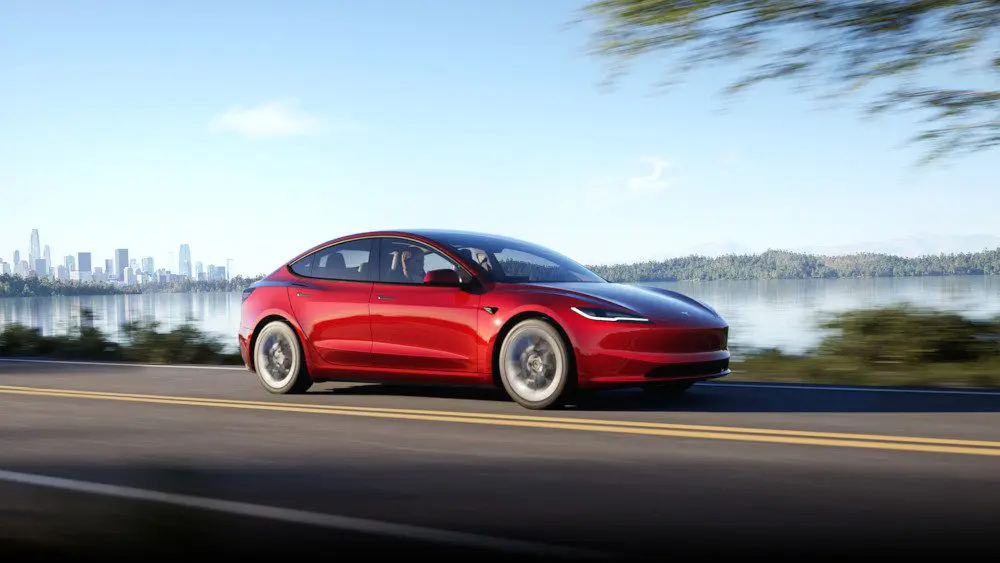
The “Tradie Truth” is a bit more complex. As EV market share in Australia hits a record 12.2%, we are seeing a flood of first-generation models hitting the second-hand market. Recent data from RedBook and Savvy Finance shows that some early-adopter models, like the 2022 Tesla Model Y, have seen their EV resale value Australia dip by as much as 48% in just a few years.
At EV evolution, we want your 2026 purchase to be a Resolved investment for your 2029 wallet. Here are the five silent killers of EV depreciation and how to defend against them.
1. The “Hyper-Charging” Trap (Charging Etiquette)
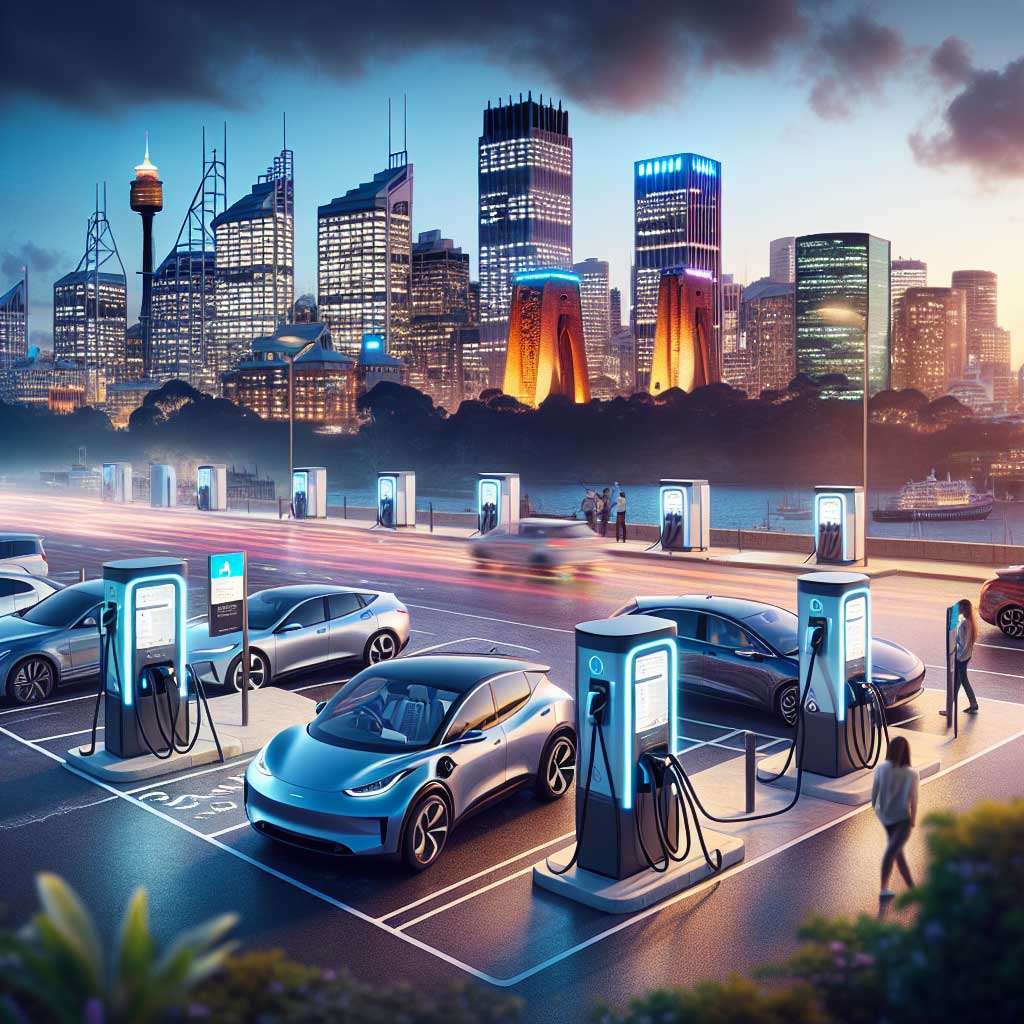
In 2026, a “High-Fidelity” logbook isn’t just about oil changes—it’s about your charging telemetry. While modern Battery Management Systems (BMS) are incredible, the “no-filter” truth is that frequent, high-power DC fast charging (above 100kW) is the single largest stressor on your battery.
Expertise Fact: Research suggests that EVs used almost exclusively on ultra-rapid public chargers can see degradation rates up to twice as fast as those babied on 7kW home AC wallboxes (approx. 3.0% vs 1.5% per year).
When a dealer plugs into your car’s OBDII port in 2029, a “State of Health” (SOH) of 94% vs 88% could be the difference between a $35,000 trade-in and a $28,000 “lowball” offer. To “Resolve” this, treat DC fast charging like a “Sustainability Hack” for road trips only, not a daily habit.
2. The Monochrome Supply Trap (Color Choice)
This is where your 2029 wallet meets the “Vibe Check.” In 2026, nearly 70% of EVs on Aussie roads are White, Black, or Grey. While these are “safe” choices, they are also everywhere. When 400 white Tesla Model Ys hit the used market simultaneously, buyers have all the power to haggle.
Interestingly, niche colors are proving to be a “Depreciation Defense.” According to iSeeCars data, “extroverted” hues like Yellow, Orange, and Green often retain value better because they are rare but in steady demand from buyers who want to stand out from the “Old Guard” monochrome fleet.
- Avoid: Gold or “Dusty” Champagne (The perennial resale killers).
- Target: Deep Blues or unique manufacturer launch colors (e.g., Kia’s Matte Grey or BYD’s “Cosmos Black”) that indicate a premium trim.
3. The 400V Legacy Lock (Technology Cycles)
We’ve said it before: 800V or Bust. In 2026, the arrival of high-fidelity 800V cars like the Zeekr 7X and Kia EV9 has made 400V architecture look like “2015 tech.”
If you are buying a 400V EV today, you are buying into a technology that takes 50 minutes to charge on a road trip, while your neighbor’s 800V car does it in 18. By 2029, second-hand buyers will prioritize charging speed above almost everything else. If your car is “Legacy 400V,” expect a steeper depreciation curve than the 800V “New Guard.”
4. The Brand Price War (Manufacturer Aggression)
The EV depreciation 2026 landscape is being heavily influenced by the manufacturers themselves. When Tesla or BYD slashes the price of a new model by $5,000 overnight, the value of every used one on the road drops by the same amount instantly.
The best retaining electric cars are often those from brands that maintain a stable price list. While Tesla’s aggressive cuts hurt early adopters, brands like Hyundai (Ioniq series) and Polestar have historically shown slightly flatter depreciation curves because they don’t engage in “overnight” price nuking as frequently.
5. The “Mystery Battery” Stigma (Lack of Transparency)
The biggest killer of a trade-in value is uncertainty. If you walk into a dealer in 2029 with no proof of battery health, they will assume the worst to protect their margins.
The “Resolved” strategy is to get an independent Battery Health Audit once a year. Providing a certified SOH report from a third party like Altelium or Aviloo removes the “Old Guard” fear of battery failure and can add thousands to your trade-in by proving your Charging Etiquette was top-tier.
The Reddit Pulse: “Used EV Prices are Crashing”
The community on r/CarsAustralia and r/AustralianEV is currently divided between early adopters feeling the pinch and bargain hunters waiting for the “Great 2027 Sell-Off.”
The Reality of the “Price Drop”
On r/CarsAustralia, user herbse34 highlighted the “stickiness” of the EV shift:
“A proper survey showed that 99% of EV owners stick with EV… but the fact there are massive tax advantages on lease means the market will be flooded in the next few years as they come off lease.”
The “Ripped Off” Vibe Check
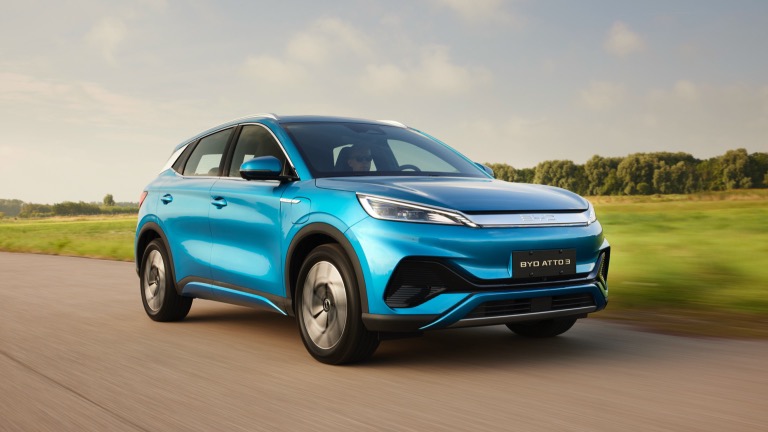
Over on r/EVAustralia, a discussion about a used BYD Atto 3 for $33k sparked warnings:
“No way I would pay that money when you have the far superior EX5 for not much more… existing models are getting cheaper, which means every other model instantly loses resale value.” — ChasingShadowsXii, Reddit.
FAQ: EV Resale Value Australia
Q: Which EV has the best resale value in Australia for 2026?
A: Currently, the MG4 and BYD Atto 3 are performing well in the “Affordable” segment due to high demand. In the premium segment, the Porsche Taycan and Hyundai Ioniq 5 N are holding value better than average because of their “Hero” status and enthusiast demand.
Q: How much does high mileage affect EV resale?
A: Interestingly, high mileage matters less for an EV than a petrol car because there are fewer moving parts to wear out. However, “Cycle Count” (how many times the battery has been charged) is the new metric. A car with 100,000km that was mostly slow-charged at home will often be worth more than a 40,000km car that lived on DC fast chargers.
Q: Will the 2026 May Budget change EV depreciation?
A: There are rumors that the FBT exemption for EVs may be capped or modified. If this happens, it could slow down the rate of new EVs entering the fleet, which might actually bolster the value of existing used EVs as supply tightens.
Q: Is it better to lease or buy to avoid depreciation?
A: In 2026, many Aussies are choosing a Novated Lease as a “Depreciation Defense.” Because you pay for the car with pre-tax dollars and the FBT exemption applies, you are effectively “buying” the car at a 30-40% discount, which acts as a massive buffer against future resale drops.
🤖 Start the Conversation with the AI Agent
Are you worried your 2026 “Dream Car” will be a 2029 “Financial Anchor”? Or maybe you’re hunting for the best retaining electric cars to protect your business’s bottom line?
Don’t leave your trade-in value to guesswork—start a conversation with our EV evolution AI Agent. Our AI is updated in real-time with the latest EV resale value Australia data, 2026 auction results, and “Vibe-Checked” dealer trade-in trends.
You can ask:
- “Calculate the 3-year depreciation for a Tesla Model Y vs. a Kia EV6.”
- “Which EV depreciation 2026 trends should I watch for a small business fleet?”
- “Give me a color-choice audit for the BYD Sealion 7 based on current demand.”
Request Your VIP Test Drive
While we can’t predict the future, we can get you behind the wheel of the most high-fidelity EVs on the market today. Through our AI Agent, you can request a VIP Test Drive for your desired model. We’ll skip the showroom fluff and show you how a Resolved future looks from the driver’s seat.
About EV Evolution
EV evolution is Australia’s AI-powered hub for the modern driver. Through our signature EV Strategy Suite—including the EV Vibe Check and our real-time AI Agent—we provide the transparent, fact-based data you need to navigate the electric transition with total confidence. Our mission is to empower every Aussie to trade the petrol pump for a plug with zero guesswork and high-fidelity precision.