



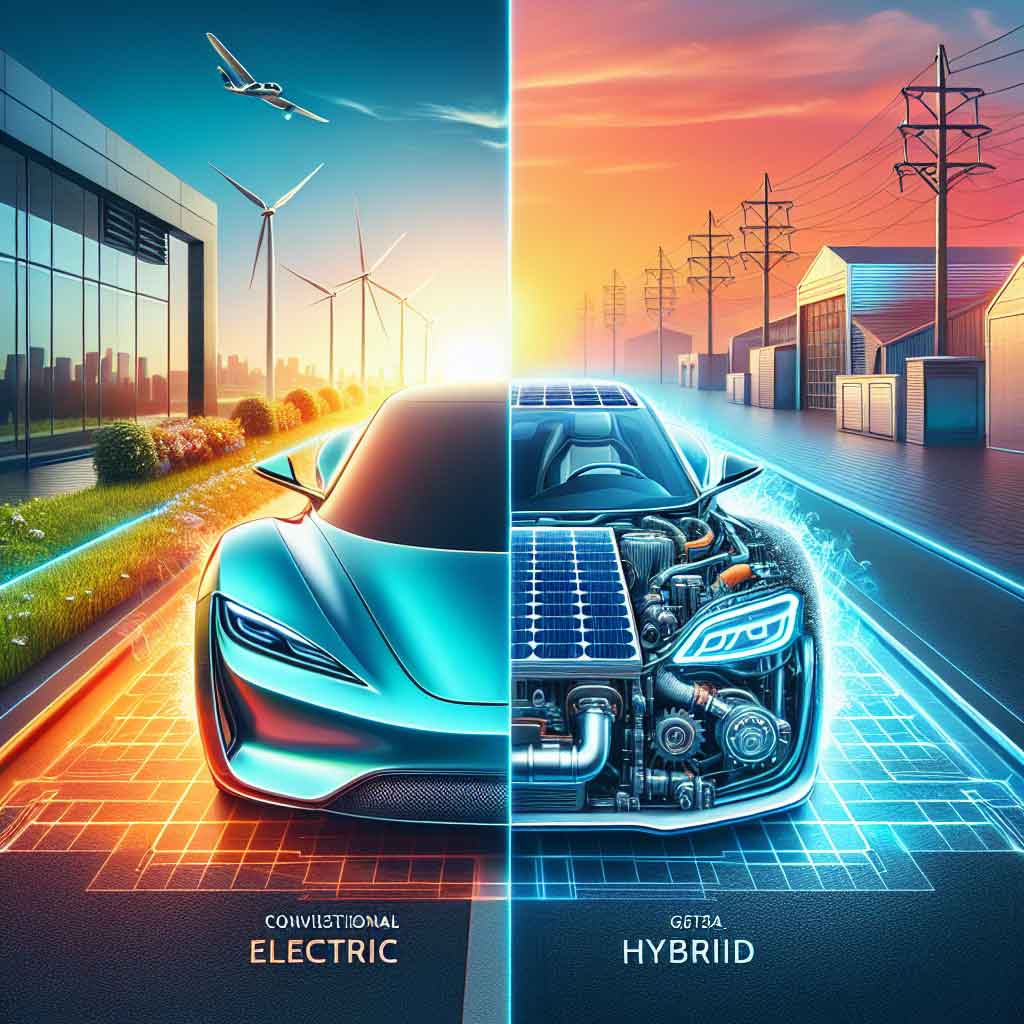
Why 53% of Australians Are Choosing Hybrids Over Full BEVs in 2026
The Hook: It’s 2026. The electric revolution is well underway, but if you look at the sales data, something interesting is happening. The revolution has a very distinct petrol-powered undertone. According to the latest January VFACTS data, 53% of electrified vehicles sold in Australia this month weren’t pure battery electric vehicles (BEVs)—they were hybrids. This begs the massive question dividing barbecues nationwide: Is a Hybrid just a “petrol car with a battery backpack,” clinging to the past? Or is it the smartest, most pragmatic move for regional Aussies navigating the mid-2020s infrastructure gap?
At EV Evolution, we don’t deal in ideology; we deal in data and daily reality. While we are champions of the full electric future, we cannot ignore the massive swing toward the “stepping stone” technology. Today, we’re diving deep into the Hybrid vs Electric car Australia debate to understand why the majority are choosing the middle path, and whether you should join them.
The 2026 Landscape: Defining the Contenders
Before we argue about which is better, let’s clarify what’s on the showroom floor in 2026. The lines have blurred, but the categories remain:
- The Traditional Hybrid (HEV): Think the ubiquitous Toyota RAV4 or Camry. You can’t plug it in. The small battery recoups energy from braking and assists the petrol engine. It’s efficient, but it’s ultimately fossil-fuel-reliant.
- The Plug-In Hybrid (PHEV): The massive mover of 2026. Cars like the Ford Ranger PHEV and the Mitsubishi Outlander offer 60–100km of pure electric driving before a petrol engine kicks in as a generator or driver.
- The Battery Electric Vehicle (BEV): The pure experience. Tesla Model Y, Kia EV9, BYD Sealion 7. No fuel tank, no exhaust, 100% electrons.
Why Hybrids Are Winning the “Popular Vote”
If BEVs are the future, why are 53% of buyers opting for a hybrid right now? It comes down to three very Australian factors: Geography, Towing, and the “Weekend Warrior” mentality.
1. The Regional Reality Gap
Living in Inner-West Sydney or downtown Melbourne with a BEV in 2026 is a dream. The infrastructure is there. But Australia is vast. For the family in Dubbo, Rockhampton, or even outer suburban fringes, the “charging desert” is still a reality.
While the 400kW ultra-fast network has improved the Hume and Pacific highways, regional routes remain patchy. A hybrid offers an unbeatable safety net. You get excellent fuel economy around town, and zero anxiety when you head 500km west of the Great Dividing Range. For many, that peace of mind is priceless.
2. The PHEV “Best of Both Worlds” Flex
The Plug-In Hybrid has become the suburban weapon of choice in 2026, driving significant PHEV fuel savings.
Here is the common scenario: A family buys a Mitsubishi Outlander PHEV. They plug it into a standard wall socket every night. Their daily commute—school drop-offs, work, groceries—is usually under 60km. They do this entirely on cheap, off-peak electricity, using zero petrol Monday to Friday.
Then comes Saturday. They hook up the boat and head to the coast for the weekend, using the petrol engine without a second thought about charging infrastructure. It’s electric living during the week, with internal combustion freedom on the weekend. For many Aussie lifestyles, this is the ultimate hack.
3. The Towing Trauma
We love to tow things. Caravans, boats, horse floats. While electric torque is incredible for towing, the impact on range is severe. A BEV that gets 500km might only get 220km while towing a 2.5t caravan at 100km/h. Until battery density takes another leap (roll on 2027 Solid State!), the diesel or petrol-hybrid powertrain remains the undisputed king of the long-haul tow.
The Counter-Punch: Why BEV is Still the Financial King
So, if hybrids are so versatile, why bother with a full EV at all?
Two words: Fringe Benefits Tax (FBT).
This is where the “stepping stone” can trip you up financially. As of the mid-2025 policy shifts, most Plug-In Hybrids lost their eligibility for the generous FBT exemption that full BEVs still enjoy.
If you are a salary packager or a business buyer, this is massive. A $70,000 Tesla Model Y (BEV) could cost you significantly less out-of-pocket per week than a $60,000 PHEV, simply because the BEV is paid for entirely with pre-tax dollars.
Furthermore, the maintenance reality hasn’t changed. A hybrid still has an engine, oil, spark plugs, and a transmission. A BEV has virtually zero powertrain maintenance. Over five years, the Total Cost of Ownership (TCO) heavily favours the pure EV, provided you don’t need that petrol safety net.
The Verdict: It’s Not a Binary Choice, It’s a Lifestyle Audit
Is the hybrid just a “petrol car with a battery backpack”? In some ways, yes. It’s transition technology. It’s the trainer wheels for electrification.
But for 53% of Australians in 2026, those trainer wheels are necessary. If you live regionally, tow heavy loads regularly, or simply cannot charge at home, a hybrid is not a cop-out—it’s the smartest, most pragmatic decision you can make right now.
However, if you are an urban dweller looking to maximize your financial “Tech Flex” and minimize your maintenance, skipping the stepping stone and leaping straight to a BEV is still the superior long-term play.
Don’t Guess. Use the Data.
The debate isn’t about which technology is “better” in a vacuum; it’s about which one fits your life in 2026. Don’t listen to “Old Mate’s” outdated advice at the pub.
Use the EV Evolution Strategy Suite to settle the math.
Stop wondering and start planning. Ask the EV Evolution AI Agent right now:
“Based on my postcode in regional Victoria and my 40km daily commute, is a Hybrid or a Full EV more efficient for me?”
The AI will analyze your local charging infrastructure, your estimated fuel spend, and your tax profile to give you a definitive answer.
The evolution is happening fast. The market changes every month. Keep coming back to EV Evolution for the latest search trends, tax updates, and real-world reviews to ensure your next car is a future-proof investment.
About EV Evolution
EV Evolution is Australia’s authoritative strategic platform for electric vehicle market, dedicated to providing a high-fidelity knowledge base for the next generation of drivers. In a year defined by the Federal statutory review of FBT exemptions and the rapid arrival of record-breaking affordable models, we serve as your professional co-pilot to ensure every automotive decision is data-driven and future-proof. Our EV Strategy Suite—including the EV Tax Savings Estimator, Vibe Check Tool, and 24/7 AI Strategy Agent—empowers young professionals and families to navigate complex technical and regulatory shifts with total transparency. At EV Evolution, we don’t just track the market, we provide the strategic roadmap for your transition to the new electric standard.
