



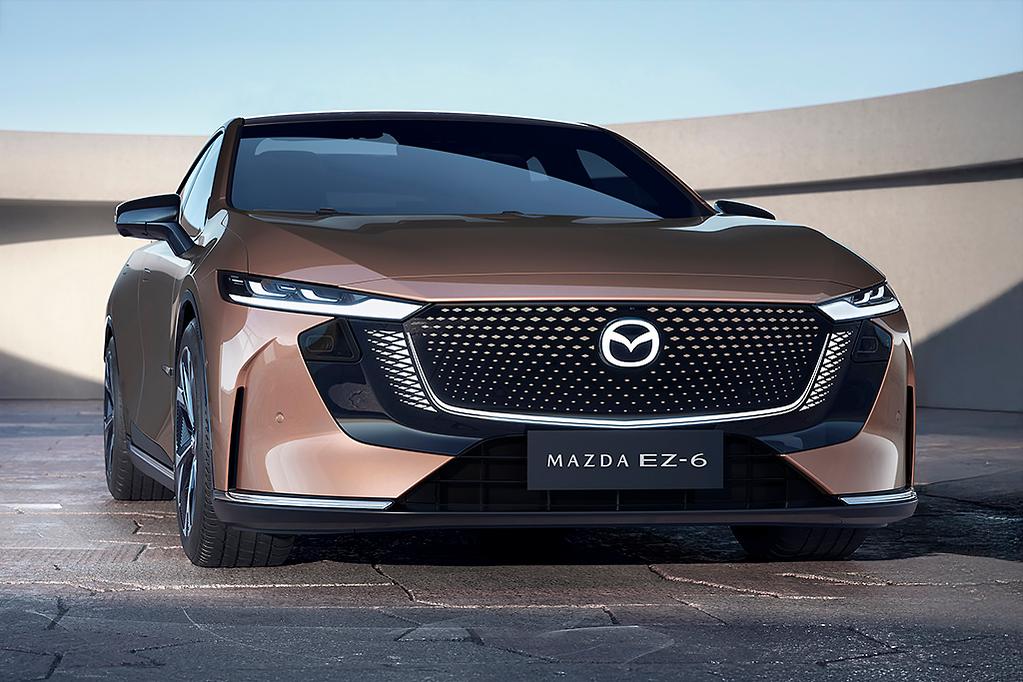
Key takeaway: After research and comparison, what matters most is translating information into a clear, practical plan that suits your driving patterns, home setup and budget. This article adapts the core four-step checklist for Australian conditions and updates it with the latest market and infrastructure developments to help you decide with confidence.
Introduction
Choosing an electric vehicle is no longer a niche decision – it’s mainstream, increasingly practical and often the most economical long-term choice. But the transition still requires careful assessment: purchase cost versus lifetime savings, home charging versus public charging, and vehicle suitability for Australian conditions (heat, long distances and towing needs). Below is a pragmatic, Australia-focused action plan to move you from research to ownership
- Budget and incentives: calculate the true cost of ownership
The headline price is just the start. To understand value, work through a realistic Total Cost of Ownership (TCO) over five to seven years.
What to include:
- Purchase price: new versus used market dynamics. The used EV market has matured, providing more affordable options; check battery health reports and warranty transferability.
- Government incentives: federal and state incentives differ and change regularly. Across Australia, incentives can include stamp duty reductions/exemptions, registration discounts, point-of-sale rebates or interest-rate benefits on green loans. Always check current state and territory programs before purchase.
- Running costs: electricity is typically cheaper per kilometre than petrol. Factor in off-peak tariffs, potential solar generation and future electricity price expectations.
- Maintenance savings: fewer moving parts mean lower routine servicing costs, though tyre and brake wear patterns differ because of instant torque and regenerative braking.
- Finance and leasing: green finance products and novated leases remain attractive for many buyers. Compare terms carefully.
- Residual value: resale is improving as consumer confidence and second-hand demand grow. Brands with proven battery longevity tend to hold value better.
Action: Build a simple spreadsheet comparing five-year TCO for your EV shortlist and an equivalent petrol/diesel vehicle. Include incentives, installation of home charging, electricity costs and expected depreciation.
- Daily range needs and route planning
Range anxiety persists in conversation, but data shows most Australians’ daily driving is well within EV capability. Focus on typical use rather than worst-case scenarios.
Practical guidance:
- Measure your real usage: track one to two weeks of driving to capture commute, errands and occasional long days. Use the longest single-day distance as a key metric.
- Apply a safety margin: aim for a vehicle with advertised range at least 1.5× your longest single day’s driving to avoid frequent charging.
- Charging speed versus battery size: for trips beyond daily needs, a car with a fast charging curve (high sustained kW rate) is often more useful than a much larger battery. Public DC fast chargers are expanding and a good charging profile shortens stops.
- Thermal management: Australian summers can be harsh. Prefer vehicles with active battery thermal management (liquid-cooled packs) to maintain range and charging speed in hot conditions.
- Towing and payload: towing significantly reduces range. If you tow a trailer, boat or caravan, model the expected range under load and consider vehicles designed for towing.
Action: Note your longest round-trip and weekly total. Choose a model with range and charging characteristics that match those figures.
- Home charging and energy strategy
Home charging is the convenience advantage of EV ownership. The right setup depends on your property, power supply and energy goals.
Options and considerations:
- Household supply: most Australian homes are single-phase 230 V; many older homes will support 7-7.4 kW AC charging. Three-phase supplies allow faster AC charging (11-22 kW) but are less common.
- Wallbox (Level 2) chargers: recommended for most owners. Typical single-phase units deliver 7 kW; installation costs depend on electrician access, switchboard capacity and cabling. Smart chargers enable scheduled charging, tariff optimisation and load management.
- Standard power point (portable charger): can be used temporarily but is slow and not recommended as a long-term primary charging method.
- Public charging networks: Australia now has multiple national and regional fast-charging providers (for example, Chargefox, Evie Networks and Tesla Superchargers), plus petrol retailers rolling out chargers. Coverage continues to expand along highways and between cities.
- Solar and battery integration: combining rooftop solar and home battery storage with EV charging can dramatically lower running costs and reduce grid demand during peak times. Time-of-use tariffs and smart charging allow you to charge when electricity is cheapest or most sustainable.
- Future-proofing: check whether your house needs switchboard upgrades, spare capacity for future higher-power chargers, or a solar-ready setup.
Action: Get quotes from certified electricians who specialise in EV installations and ask for an assessment that includes potential switchboard upgrades and options for solar integration. Factor these costs into your TCO.
- Test drives and final vetting
Numbers matter, but the driving experience determines long-term satisfaction. Test drives should be more than a brief spin around a dealership.
What to test:
- Real-world performance: acceleration, regenerative braking behaviour (one-pedal driving), noise insulation and ride comfort.
- Charging usability: location of the charging port, how easy the connector is to use, and the in-car charging settings.
- Infotainment and connectivity: navigation accuracy, charging route planning, over-the-air update capability and telematics.
- Practicality: boot space, roof load limits, interior room and rear-seat comfort. Check access with child seats or mobility aids if relevant.
- Warranty and battery guarantees: a standard benchmark is an eight-year battery warranty or similar kilometre protection; ask for exact terms and any transferability on sale.
- After-sales support: dealer servicing capacity, roadside assistance for EVs and availability of replacement parts.
Action: Schedule extended test drives that replicate your daily commute and at least one type of longer drive you do often. Discuss battery health checks for used EVs and request any available charging data from demo cars.
Conclusion
Buying an EV in Australia today is a decision shaped by practical benefits: lower running costs, a quieter and often more enjoyable drive, and growing access to charging infrastructure. By applying a structured approach – calculating true costs including incentives, matching range to real-world needs, installing a sensible home charging solution, and conducting thorough test drives – you minimise risk and maximise satisfaction. Take the time to model costs, get professional quotes for home charging, and prioritize vehicles with robust battery thermal management and strong warranty terms. When you move forward with that clarity, you’re not just buying a car – you’re joining an accelerating transition in mobility.
FAQs
Do Australian states still offer EV incentives and how do I find them?
Incentives vary by state and change over time. Common measures include stamp duty concessions, registration discounts and point-of-sale rebates. Check your state or territory government transport and environment websites for current programs and eligibility criteria, and confirm whether incentives apply to new or used EVs.
How much will it cost to install a home wallbox in Australia?
Installation costs depend on charger power, distance from the switchboard and any required upgrades. Typical single-phase wallbox installations commonly range from modest to several thousand dollars when upgrades are required. Obtain at least two quotes from accredited electricians and ensure the installer is familiar with local regulations and EV standards.
Can I rely on public charging for long trips around Australia?
Public charging networks in Australia have expanded significantly along major corridors. Plan long trips using apps and the vehicle’s navigation to identify DC fast chargers (50 kW, 150 kW and higher). Allow for occasional slower chargers in remote areas and factor in detours. For long remote journeys, carry contingency plans and consider overnight stops where reliable charging is available.
What should I look for when buying a used EV?
Ask for a battery health report, service history and details of any battery replacements or repairs. Check warranty transferability, mileage, how the vehicle was charged (lots of fast charging can accelerate degradation if the battery lacks good thermal management) and whether the car has been in a flood or salt-damaged environment.
Are electric vehicles safe in hot Australian conditions?
Most modern EVs are designed with thermal management systems that protect battery health and charging performance in heat. When comparing models, prioritise vehicles with active cooling systems (liquid cooling) and good manufacturer data on performance in hot climates. Regular servicing and avoiding constant extreme temperature exposures will help longevity.
About EV Evolution
EV Evolution is the leading online platform dedicated to Australian electric vehicle owners and enthusiasts. We foster a vibrant community, delivering essential EV news and insights, and enhancing user engagement through our innovative, AI-powered chatbot for dynamic discussions. Our mission is to empower Australian electric vehicle owners and enthusiasts by fostering a vibrant, AI-driven online community that connects, informs, and advances the nation’s electric vehicle landscape.
