


If you’ve been keeping an eye on the car market lately, you’ve probably noticed something’s shifted. Walk past a used car lot in Sydney or scroll through Marketplace in Perth, and you’re no longer just seeing rows of white Hiluxes and thrashed Corollas. Instead, the “Great EV Flood” of 2026 has officially begun.
At EV Evolution, we’ve been waiting for this moment. For years, the main barrier to going electric was the “luxury tax” of buying new. But as we kick off 2026, we’ve hit the sweet spot. Thousands of Aussies who jumped onto 4-year novated leases back in 2022—spurred on by the original FBT exemption—are now handing back their keys.
The result? The market is currently flooded with 2022-era Tesla Model 3s and MG ZS EVs. For the budget-conscious buyer, it’s an absolute goldmine. But buying a used EV isn’t quite the same as checking the oil on an old Commodore. Here is your guide to being second-hand savvy in the 2026 market.
Why 2022 Was the “Magic Year”
To understand why there’s such a bargain to be had right now, you have to look back at the 2022 calendar. That was the year the Federal Government’s Electric Car Discount really took off. It made leasing an EV cheaper than a petrol car for the first time.
Now, four years later, those leases are ending. We are seeing a massive influx of “one-owner, full-service history” electric cars hitting the “buying used EV Australia” market. These aren’t just high-mileage beaters; they are mostly suburban family cars or city commuters that have been kept in pretty nick to avoid end-of-lease fees.
The Second-Hand Tesla Price: What Should You Pay?
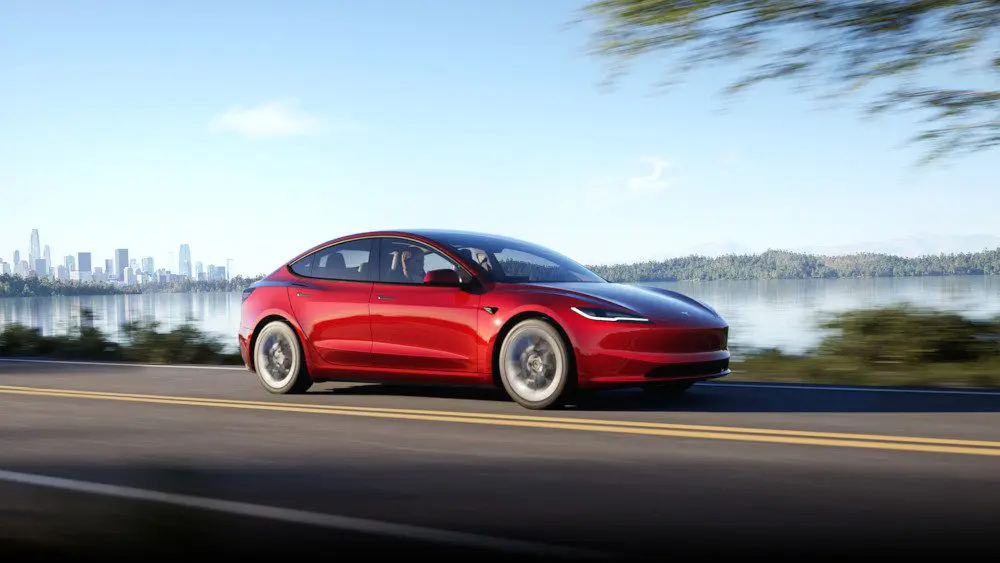
The Tesla Model 3 remains the gold standard for used EVs, mostly because Tesla’s software keeps the older models feeling fresh. In 2022, a base Model 3 RWD would have set you back about $65,000.
As of early 2026, a well-kept 2022 Model 3 with roughly 60,000km on the clock is typically sitting in the $32,000 to $35,000 range. If you find one under $30k, it’s either got high mileage (think ex-Uber) or a “repaired write-off” history, so keep your wits about you.
For those who need more space, the Model Y—which only really started delivering in volume in late 2022—is also starting to show up. Expect to pay a premium of about $5,000 to $8,000 over the Model 3 for the extra boot space and that higher seating position Aussies love.
The “Battery Health” Bogeyman
The number one question we get at EV Evolution is: “But what if the battery is stuffed?”
It’s a fair question, but in 2026, the data is on our side. Most 2022-era EVs (especially the Teslas and MGs) use LFP (Lithium Iron Phosphate) batteries. These things are tanks. Unlike your phone battery that dies after two years, LFP batteries actually like being charged to 100% and can handle thousands of cycles before showing significant wear.
However, you still need an EV battery health check. You wouldn’t buy a petrol car without checking the engine, right?
- Tesla: You can actually run a health test yourself via the “Service Mode” on the screen. It takes 24 hours and drains/recharges the battery to give you a definitive percentage.
- MG and others: You might need a professional “SoH” (State of Health) report. In 2026, most mobile inspectors (like RedBook or specialist EV mechanics) offer a plug-in diagnostic that gives you a certificate of health.
Curious about the numbers? Before you go to a viewing, get your benchmarks right. Start a conversation with our EV Evolution AI chatbot and try this prompt: “Ask our AI: What is a ‘good’ battery health percentage for a 4-year-old Model 3?”
What Else to Check (It’s Not Just the Battery)
Since there’s no oily bits to worry about, your “pre-purchase inspection” looks a bit different. Here’s the 2026 checklist:
- Tyre Wear: EVs are heavy and have instant torque. A “lead-foot” previous owner can fry a set of tyres in 20,000km. Check the inner edges—if they’re bald, factor $1,200+ for a fresh set of EV-specific rubber into your offer.
- Suspension Creaks: Heavy cars put a lot of stress on bushings and control arms. Take it over a couple of speed bumps. If it sounds like a haunted house, those control arms might need replacing (a common 2022 Tesla quirk).
- Charging Port: Look for any scorching or melted plastic around the pins. It’s rare, but a faulty home charger can cause heat damage.
- The Screens: Make sure there’s no “yellowing” around the edges of the infotainment screen or dead pixels. In an EV, the screen is your dashboard; if it goes, you’re flying blind.
The Warranty Safety Net
Here’s the best part about buying a 4-year-old EV in Australia: You are almost certainly still covered.
- Tesla provides an 8-year/160,000km warranty on the battery and drive unit.
- MG offered a 7-year warranty on the ZS EV back in 2022.
- BYD generally covers the “traction battery” for 8 years.
This means even if you buy a second-hand car today, you’ve got a safety net until 2030. That’s a lot of peace of mind for a $25,000 car.
Don’t Forget the “Standard” Stuff
Just because it’s high-tech doesn’t mean the basics don’t apply. Always run a PPSR check (it only costs a few bucks). You want to make sure there’s no finance owing from that original lease and that the car hasn’t been a “repairable write-off” from a hail storm (a big issue in QLD and NSW lately).
Also, check the charging cables. A new Type 2 to Type 2 cable (for public chargers) or a “granny cable” (for home 10-amp sockets) will cost you $300-$600 to replace if the seller “forgot” to include them in the boot.
Final Verdict: Is it Worth It?
In 2026, the answer is a resounding yes. Buying a used EV is no longer a gamble; it’s just smart math. You’re letting the first owner take the massive depreciation hit while you reap the rewards of $0 petrol bills and virtually no servicing costs.
The EV Evolution brand is built on the idea that electric transport should be for everyone, not just the folks in the penthouse. This used market is exactly how we get there.
Still nervous about pulling the trigger?
Don’t guess—get the data. Whether you’re standing in a driveway looking at a white MG or scrolling through ads late at night, our AI is ready to help you spot a lemon from a legend.
[Start a conversation with the EV Evolution AI chatbot right now.]
Just ask: “Ask our AI: What is a ‘good’ battery health percentage for a 4-year-old Model 3?” or “What should I pay for a 2022 MG ZS EV with 80k on the clock?”
About EV Evolution
EV Evolution is the leading online platform dedicated to Australian electric vehicle owners and enthusiasts. We foster a vibrant community, delivering essential EV news and insights, and enhancing user engagement through our innovative, AI-powered chatbot for dynamic discussions. Our mission is to empower Australian electric vehicle owners and enthusiasts by fostering a vibrant, AI-driven online community that connects, informs, and advances the nation’s electric vehicle landscape.
