


If you’ve spent any time in a pub or a BBQ pit lately, you’ve likely heard the “Depreciation Bomb” theory. It’s the one where someone’s cousin’s mate bought a $70,000 EV in 2022 and found out it was worth the price of a second-hand sandwich in 2025.
As we hit February 2026, the Australian used car market has finally matured enough to give us some cold, hard data. And while the early years were indeed a rollercoaster, the “Resale Reality” of 2026 is far more nuanced than the headlines suggest.
As your EV Evolution Strategic Co-Pilot, We’ve spent the last month auditing auction results from Pickles to AutoGrab to find the truth. Whether you’re looking to trade in your first-gen Atto 3 or you’re hunting for a second-hand bargain, here is the state of the nation on EV resale value.
1. The “New Odometer”: Battery Health is Everything
In the petrol era, we looked at the odometer. In 2026, we look at the State of Health (SoH).
The biggest shift in the used EV market over the last 12 months has been the rise of the Verified Battery Certificate. A car with 100,000km on the clock but a 96% SoH certificate is now out-selling cars with half the mileage and no data.
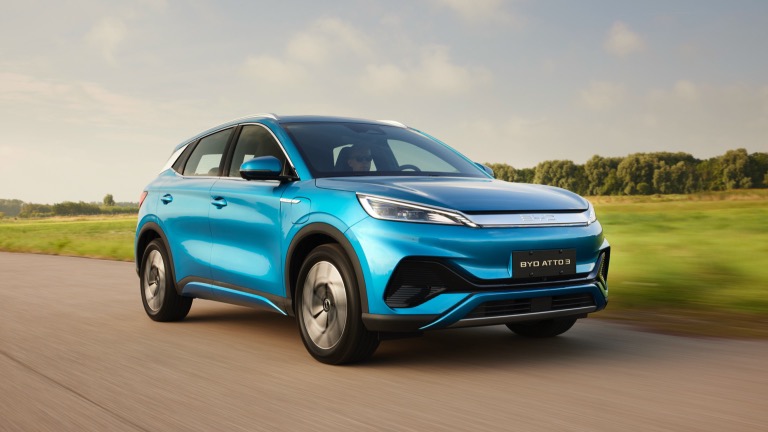
- The Winner: LFP (Lithium Iron Phosphate) batteries. Because chemistries like those found in the Geely EX5 and BYD Atto 3 are rated for thousands of cycles, they are holding their value significantly better than older NMC (Nickel Manganese Cobalt) packs.
- The Strategic Move: If you’re selling, pay the $150 for a professional battery diagnostic. It’s the difference between a “lowball” offer and a premium sale.
2. The “BYD Floor”: How Budget Kings Affect the Market
The arrival of the BYD Atto 1 at $23,990 and the Atto 2 at $31,990 has created a “price ceiling” for the used market.
In 2024, you could sell a used Nissan Leaf for $25k. In 2026, why would anyone buy a 4-year-old Leaf with a degraded battery when they can get a brand-new Atto 1 with a 6-year warranty for the same price?
- The Impact: This has “crushed” the value of first-generation EVs (Leaf, original Ioniq, early MG ZS EVs). If you own one of these, your best strategy is to drive it “into the ground” as a suburban runabout rather than trying to flip it in a competitive market.
3. Winners & Losers: The 2026 Leaderboard
Based on current resale data for 3-year-old vehicles (2023 models sold in 2026):
| Model | Value Retention (3 Years) | Why? |
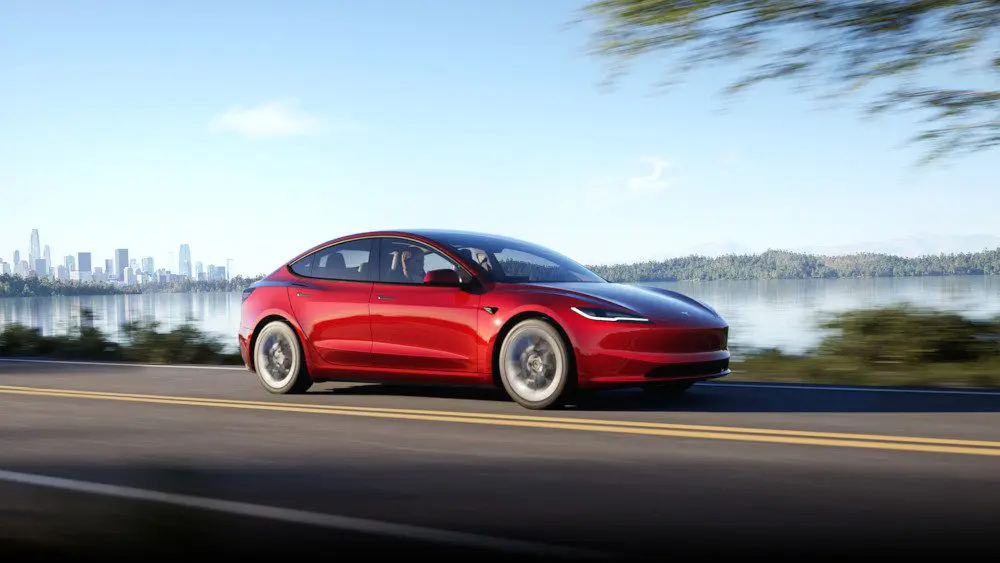
| Tesla Model Y | ~68% | Massive brand pull and the best software ecosystem. |
| BYD Atto 3 | ~62% | High demand for “proven” Chinese value; LFP battery confidence. |
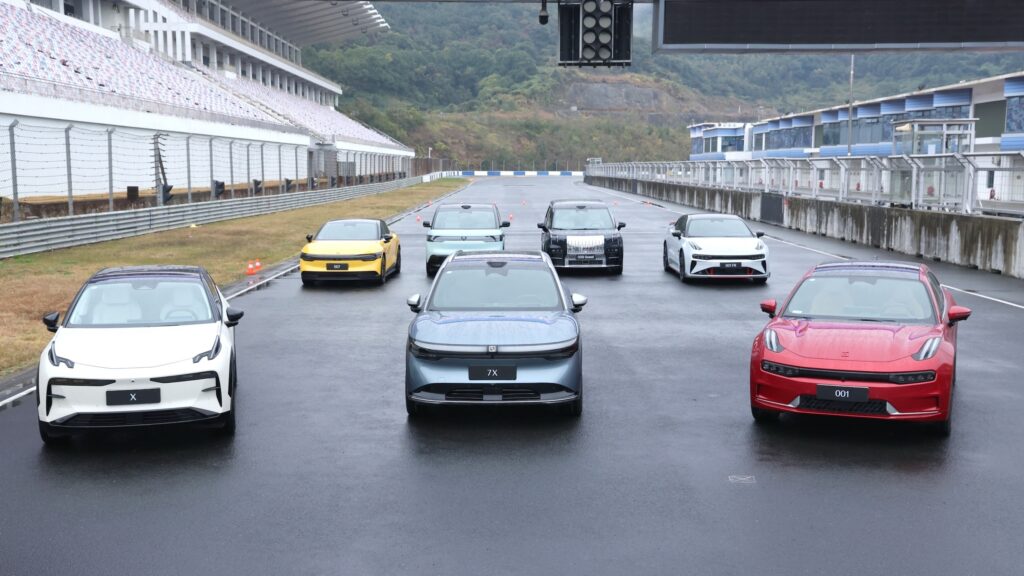
| Geely EX5 (New) | Projected ~65% | High tech-specs and 7-year warranty are “future-proof” markers. |
| MG ZS EV (Gen 1) | ~45% | Outdated tech and slow charging compared to the new MG4/MGS5. |
| Premium Euro EVs | ~40-50% | Rapid tech obsolescence; high “out of warranty” repair fears. |
4. The Tesla “Softening”
For years, Tesla was the “Toyota Corolla” of resale—bulletproof value. But in 2026, the dominance is softening. Tesla’s aggressive new-car price cuts in late 2025 have “reset” the used market. If you bought a Model 3 for $65k and Tesla drops the new price to $54k, your used value drops overnight.
- The Reality: Teslas are still the easiest EVs to sell privately, but the “insane” resale premiums of the pandemic years are gone.
5. The “Second Life” Opportunity (Why the 2nd Owner Wins)
Here is the professional journalist’s “Secret Hack”: Used EVs are currently the greatest bargain in Australian motoring.
A 3-year-old EV that has suffered 40% depreciation is an absolute “steal” for a young family. Why? Because the running costs remain 80% lower than a petrol car, but the upfront cost is now parity with a used RAV4.
- The Math: If you buy a used EV for $30,000, and save $2,500 a year on fuel/servicing, the car effectively pays for itself faster than any other asset.
Mastering the Trade-In: The Final Blueprint
We have spent the last 14 days navigating the “July Tax Cliff,” the “Apartment Anxiety,” and the “Super Hybrid” bridge. It all leads to this moment: Long-term ownership strategy.
In 2026, an EV is not a “buy and flip” asset. It is a 10-year utility tool. If you buy right—selecting LFP batteries, under-the-LCT-threshold pricing, and brands with 7+ year warranties—you aren’t just buying a car. You are buying a decade of predictable, low-cost mobility.
We have consolidated all these lessons into our [Final EV Blueprint]. It’s a one-page strategic checklist that covers:
- Which brands have the best “Warranty Transfer” policies.
- How to time your trade-in before the next “Battery Shift.”
- The 5 documents you need to get a “Premium” price for your used EV.
Ready to see what your current car is worth in the 2026 market? Ask our AI Strategy Agent: “Audit my resale value” and provide your VIN or Model. It will cross-reference the latest auction data to give you a ‘Real-World’ valuation, not a dealer lowball.
About EV Evolution
EV Evolution is Australia’s authoritative strategic platform for electric vehicle market, dedicated to providing a high-fidelity knowledge base for the next generation of drivers. In a year defined by the Federal statutory review of FBT exemptions and the rapid arrival of record-breaking affordable models, we serve as your professional co-pilot to ensure every automotive decision is data-driven and future-proof. Our EV Strategy Suite—including the EV Tax Savings Estimator, Vibe Check Tool, and 24/7 AI Strategy Agent—empowers young professionals and families to navigate complex technical and regulatory shifts with total transparency. At EV Evolution, we don’t just track the market, we provide the strategic roadmap for your transition to the new electric standard