



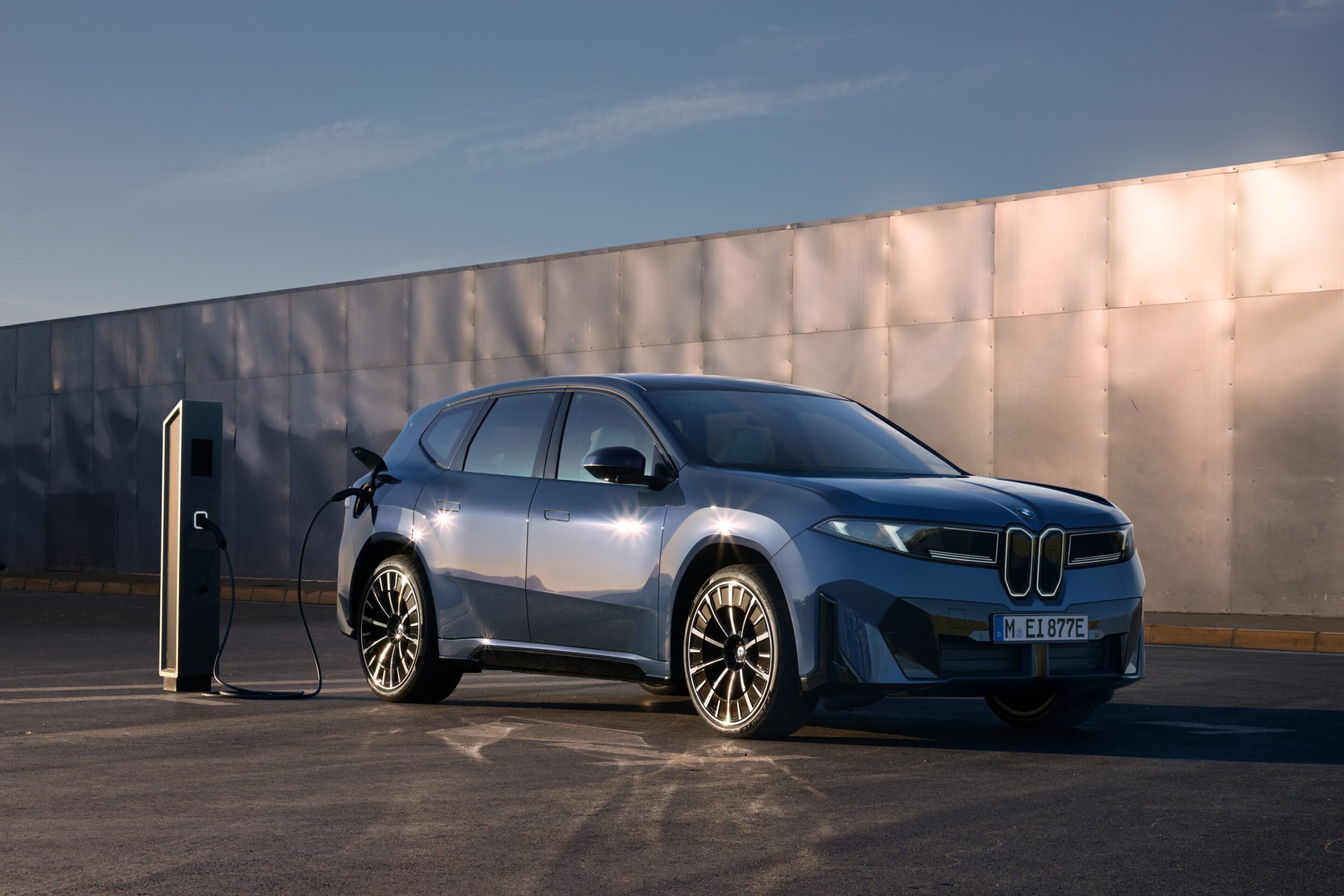
The electric vehicle (EV) landscape is evolving faster than ever, but the shift from 400-volt to 800-volt architecture marks the industry’s most significant technological leap since the introduction of the modern lithium-ion battery. This shift is not merely about incremental gains; it is a foundational reset that enables previously unthinkable levels of efficiency, range, and performance.
Leading this charge into the next generation of electric luxury are two titans with distinct goals: BMW, with its efficiency-focused Neue Klasse iX3, promising liberation from range anxiety, and Genesis, with its high-octane Magma performance line, promising track-focused exhilaration. Together, they illustrate how 800V technology is redefining what a flagship luxury EV can be.
Part 1: Deep Dive into the 800V Architecture
Before dissecting the vehicles themselves, it is crucial to understand why 800-volt technology is the industry’s new benchmark. In basic terms, an 800V system operates at roughly double the voltage of a standard 400V EV.
The physics behind this upgrade delivers three core, interconnected benefits:
- Lightning-Fast Charging: Power transfer (measured in kilowatts, kW) is the product of voltage and current (V x A = W). By doubling the voltage while keeping the current load similar, automakers can achieve massively higher charging rates (up to 400 kW). This dramatically shrinks charging stops from the 30-40 minute range down to just 15-20 minutes, bringing them closer to internal combustion engine (ICE) refueling times.
- Enhanced Efficiency: The higher voltage allows for lower current draw to maintain the same power output. Lower current means reduced heat generation in the cables and components. Less heat means less energy wasted, boosting the vehicle’s overall operational efficiency and real-world range.
- Lighter, Sleeker Packaging: Lower current demands permit the use of thinner, lighter copper wiring throughout the vehicle. In modern EVs where wiring harnesses can weigh hundreds of kilograms, this reduction in mass directly contributes to better handling, efficiency, and range—a key luxury metric.
The 800V system, therefore, isn’t just a faster charger; it’s a complete system optimization, paving the way for the incredible claims made by both BMW and Genesis.
Part 2: BMW’s Endurance Vision: The iX3’s 800km Promise
BMW’s Neue Klasse (New Class) platform is the cornerstone of its electric future. The 2026 iX3, the first vehicle built on this dedicated architecture, throws down a gauntlet to the entire luxury EV market, primarily centered on its monumental range potential.
The headline figure—an estimated 805 km (500 miles) of range on the WLTP cycle—is achieved through a holistic technological overhaul anchored by the 800V system:
- Gen6 Cylindrical Cells: The Neue Klasse utilizes newly developed high-voltage batteries with innovative cylindrical cells, replacing the prismatic cells used in BMW’s current EV lineup. These new cells boast a reported 20% increase in volumetric energy density. This allows BMW to package a substantial 108 kWh usable battery capacity while maintaining competitive weight and chassis integration.
- 400 kW Charging Apex: The 800V backbone ensures that when the massive battery does need replenishment, the stop is fleeting. The iX3 is engineered to support an astonishing 400 kW DC fast charging rate. This capability translates directly to real-world convenience, with BMW claiming the ability to add over 350 km of range in just 10 minutes under optimal conditions. This charging performance is nearly double that of the brand’s previous generation, effectively neutralizing the long-distance travel drawbacks associated with older EV technology.
- The Digital Revolution: Beyond the powertrain, the Neue Klasse utilizes a sophisticated electronic architecture managed by four “superbrains,” including the central “Heart of Joy” computer. This system is reportedly up to twenty times faster than previous units, integrating every aspect of driving dynamics, safety, and energy management to maximize efficiency and tailor the classic BMW driving experience for the electric age. This level of software-defined control is crucial for precisely managing the power flows and thermal needs of the high-voltage system.
The BMW iX3 is thus positioned as the ultimate EV for the long haul, using 800V technology to prioritize range, efficiency, and ultra-rapid convenience, redefining the luxury mobility experience as one entirely free of compromise.
Part 3: Genesis Magma: Track-Focused Performance and Power Delivery
Where BMW seeks range, Genesis, through its nascent Magma performance division, chases power and track capability. Magma is designed to be the Korean luxury brand’s answer to BMW’s M and Mercedes-AMG, and it is launching directly into the 800V arena.
The debut production model, the GV60 Magma, leverages its 800V architecture to deliver sustained, repeatable high-performance, an area where older EV platforms can struggle due to thermal limitations.
- Sustained Power Management: Performance EVs, particularly those subjected to repeated accelerations or track lapping, generate enormous amounts of heat. The 800V system’s inherently lower current draw, combined with Magma’s significantly upgraded cooling systems, allows the motors and battery to operate at peak efficiency for longer. The focus shifts from a single, blistering 0-100 km/h run (which the GV60 Magma achieves in a supercar-rivaling 3.4 seconds with its 640+ horsepower Boost mode) to delivering consistent performance lap after lap.
- E-GMP’s High-Voltage Foundation: Built on the Hyundai Group’s Electric Global Modular Platform (E-GMP), the Magma models feature the same core 800V architecture that has already proven its mettle in high-performance siblings. This ensures rapid power delivery to the dual-motor all-wheel-drive system and supports competitive charging times (10-80% in about 18 minutes).
- Aero and Dynamics: The Magma philosophy is highly focused on physical enhancements that complement the 800V power. The vehicles feature wider stances, aggressive aerodynamic packages (large spoilers, fins, and diffusers), upgraded brakes, and bespoke chassis tuning. These elements are necessary to contain and control the immense electrical power flowing through the 800V powertrain, transforming the GV60 from a luxurious crossover into a genuine track weapon.
Genesis Magma demonstrates that 800V architecture is indispensable for luxury brands seeking to deliver performance that rivals, or exceeds, traditional combustion-engined supercars, all while maintaining the necessary thermal stability for aggressive driving.
Conclusion: The Luxury Tech Divide
The revolution is here, and it’s running at 800 volts. The BMW iX3 and Genesis Magma perfectly encapsulate the dual nature of next-generation luxury EV technology:
The BMW iX3 leverages 800V and Gen6 cells to set a new global standard for range and efficiency, promising to make range anxiety an obsolete term for the luxury SUV buyer.
The Genesis Magma harnesses the same voltage to deliver track-focused, sustained performance and exceptional driver engagement, signaling that electric power is now the prerequisite for high-octane luxury. Both brands have used this architectural leap to reshape the market, delivering vehicles that are not just electrified, but fundamentally superior to their predecessors. The 800V revolution has cemented its place as the key to the future of high-end automotive technology.
Ready to Charge into the Future?
If you are curious about the real-world impact of these technologies, the next step is a direct comparison.
Ask the EV evolution AI chatbot for a detailed 800V vs. 400V Charging Speed comparison across key models (Porsche Taycan vs. Tesla).
About EV Evolution
EV Evolution is the leading online platform dedicated to Australian electric vehicle owners and enthusiasts. We foster a vibrant community, delivering essential EV news and insights, and enhancing user engagement through our innovative, AI-powered chatbot for dynamic discussions. Our mission is to empower Australian electric vehicle owners and enthusiasts by fostering a vibrant, AI-driven online community that connects, informs, and advances the nation’s electric vehicle landscape.
