

In our last post, we broke down how shifting to an off-peak overnight energy plan makes charging an EV in your driveway as cheap as a cup of coffee. That alone makes the novated lease switch a massive financial win.
But since we are talking about home charging, it is time to introduce the ultimate Australian cheat code.
Australia has the highest rooftop solar penetration in the world. We love generating our own power. But the rules of the energy grid have changed drastically in 2026. If you are still trying to make money by exporting your solar back to the grid, you are playing a losing game.
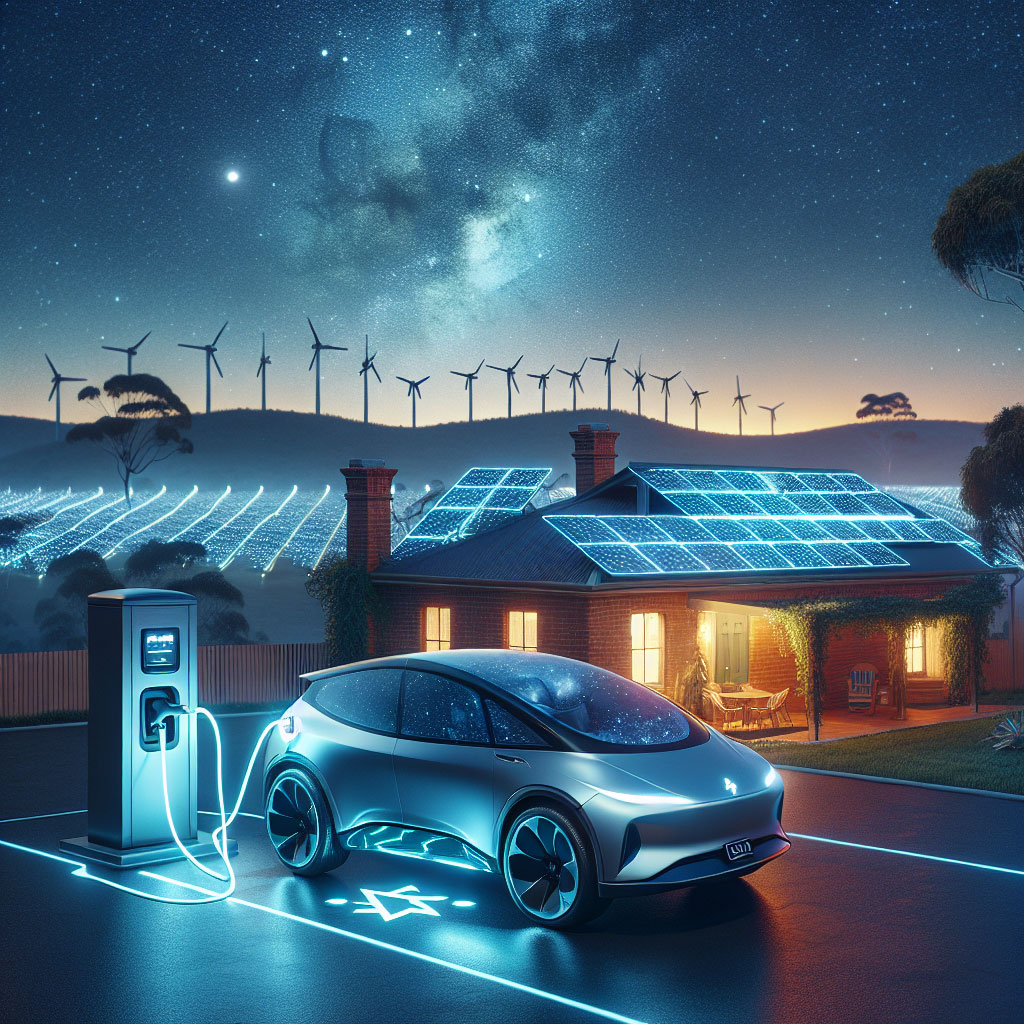
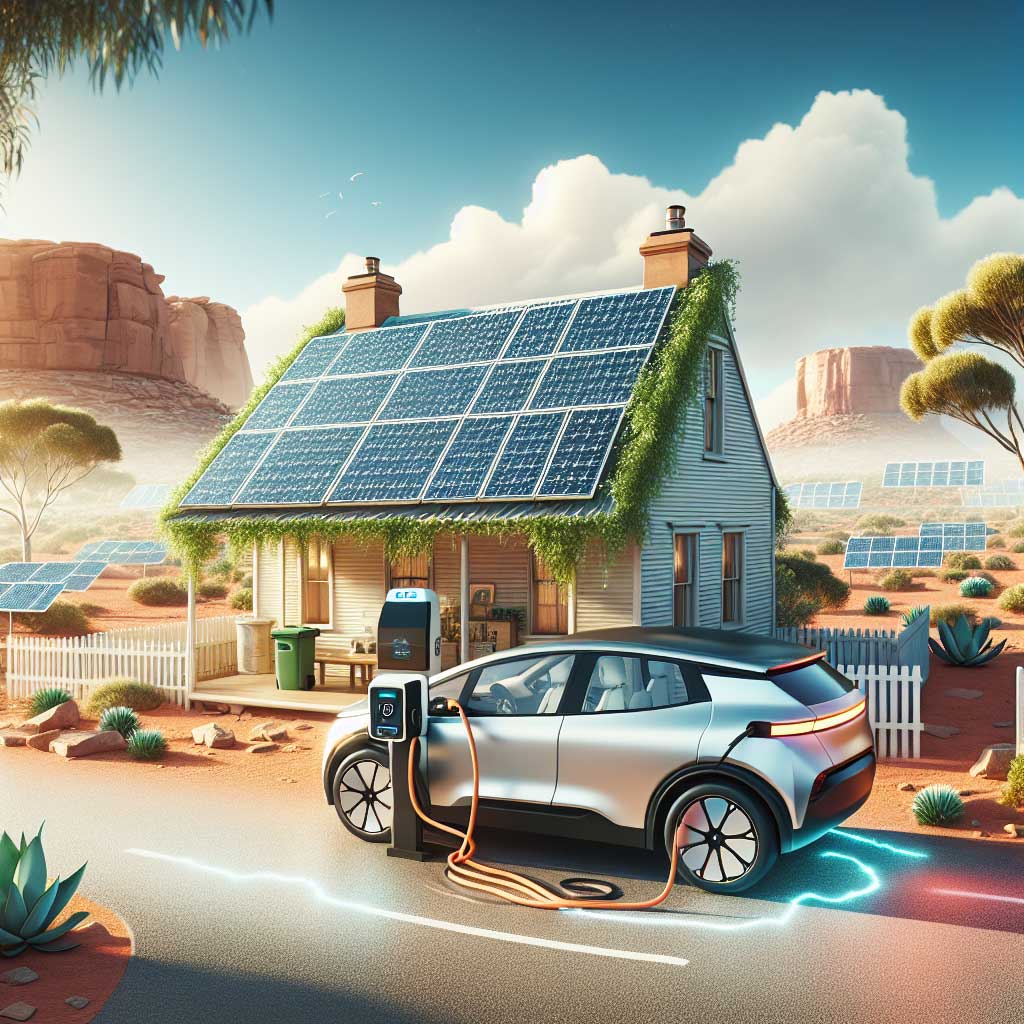
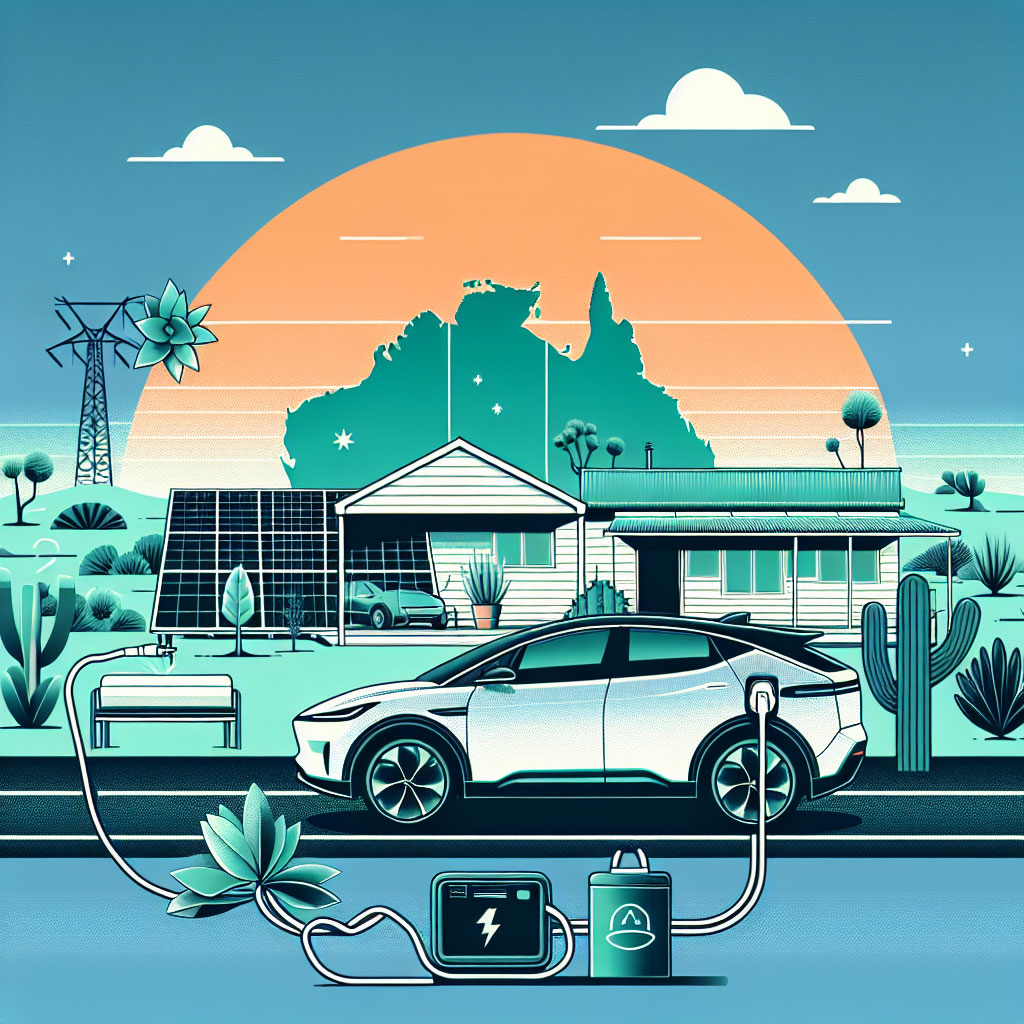
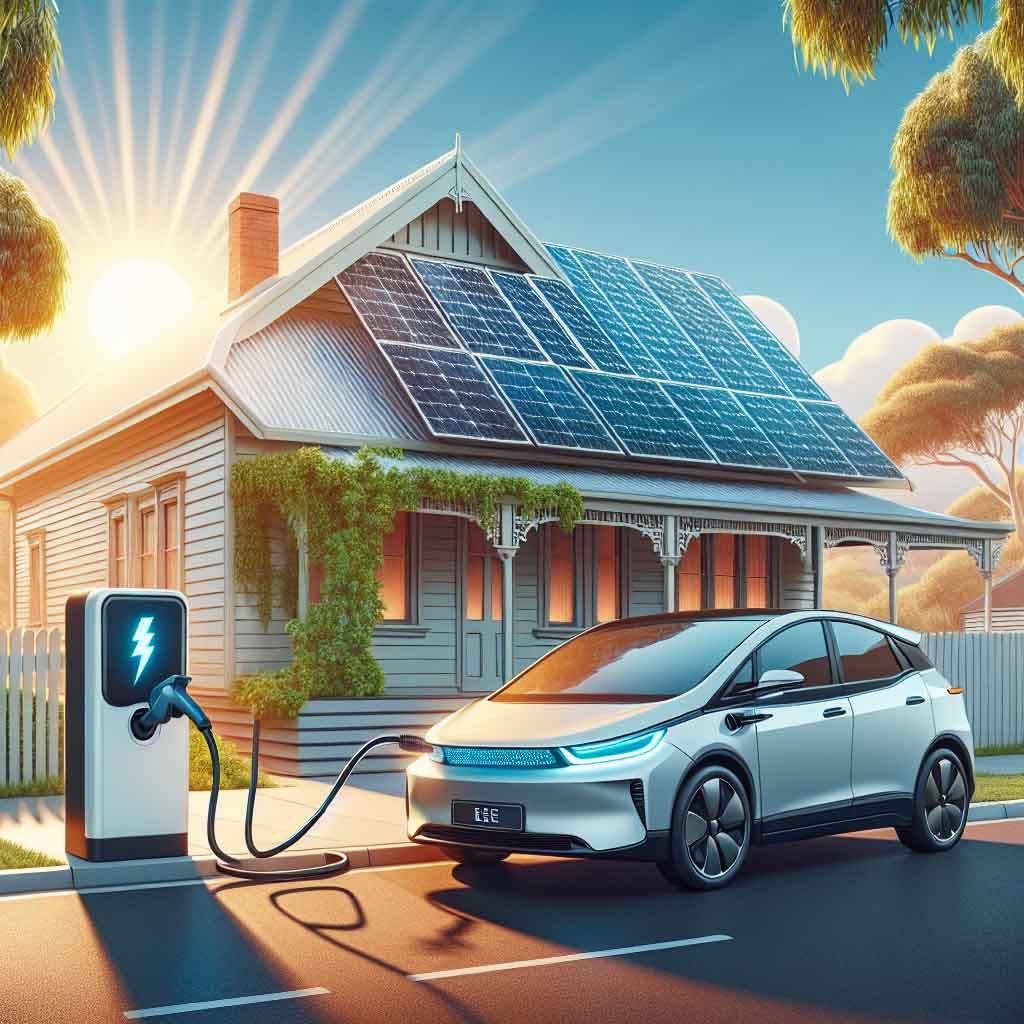
At EV Evolution, we help drivers maximize their financial return. Today, we are explaining the “Aussie Solar Sync”—why the absolute best use of your rooftop panels is dumping that energy straight into an EV, achieving zero cost EV charging, and quite literally driving on sunshine.
📉 The 2026 Reality: The Disappearing Feed-in Tariff
Let’s address the elephant in the room. A decade ago, energy retailers were paying early solar adopters up to 60c per kilowatt-hour (kWh) for their excess energy.
Today in 2026, those premium Feed-in Tariffs (FiTs) are dead and buried. Because millions of Aussie homes are flooding the grid with solar energy in the middle of the day, that electricity is essentially worthless to the retailers. Depending on your state and provider, standard FiTs have plummeted to 3c, 2c, or in some daytime windows, exactly 0c.
If you are exporting 20kWh of solar to the grid on a sunny afternoon, you might make a measly 80 cents. But if you intercept that same 20kWh of energy and put it into an electric vehicle, you are avoiding buying the equivalent amount of petrol—saving yourself roughly $40 to $50 a week.
☀️ The “Aussie Solar Sync”: Enter the EV Smart Charger
So, how do you actually make sure your car only charges when the sun is shining, rather than accidentally draining power from the expensive grid?
You need an EV smart charger (like a Zappi or Fronius Wattpilot) or smart charging software (like Charge HQ).
Charging EV with solar panels Australia relies on dynamic syncing. A smart charger monitors your house’s energy consumption in real-time. If your solar panels are generating 5kW, but your fridge and TV are only using 1kW, the smart charger takes that excess 4kW and smoothly funnels it directly into your car.
If a cloud passes over the sun and your solar generation drops, the charger instantly throttles down the power going to the car so you don’t accidentally pull from the grid. You are capturing 100% free, green energy.
🧽 What if I work during the day? (The Solar Sponge)
This is the most common question we get: “I commute to work every day. My car isn’t in the driveway when the sun is shining. How do I win?”
Enter the brilliant 2026 invention: solar sponge tariffs.
Because the main electricity grid is so overloaded with cheap solar power between 10:00 am and 3:00 pm, major retailers (like OVO Energy, AGL, and EnergyAustralia) have introduced “sponge” rates to encourage people to soak up the excess power.
Even if you don’t have solar panels on your own roof, you can switch to a solar sponge tariff and charge your car on the weekends (or if you work from home a few days a week) for as low as 3c to 8c per kWh during the middle of the day. You are utilizing your neighbour’s excess solar to fuel your car for pennies.
🗣️ The Aussie Reddit Verdict: The Ultimate “Revenge”
The frustration regarding dropping FiTs is incredibly prevalent, but savvy EV owners are using their cars to flip the script.
In a highly active 2026 debate on r/AusFinance regarding slashed solar Feed-In Tariffs, users discussed the “rug pull” of dropping export rates. The community consensus quickly shifted to load-shifting and EV adoption as the ultimate solution. One top commenter broke it down:
“One thing you can do to offset your decreasing feed-in tariff is to try and load shift all your energy consumption to daytime hours… In future this will be great for EV owners as well, because they’ll be able to just dump all their excess solar into their car instead of selling it back to the grid. You’ll save a lot more money in usage costs than you would make exporting it.”
In the same thread, another driver highlighted how they utilize the new tariffs to their advantage without exporting a cent:
“There are many tariffs that do reflect the surplus of solar on the grid – e.g. the so-called solar-sponge midday rates. I am on an ‘EV saver’ rate where 0900-1500 my rate is 8.2c per kWh… it is an okay trade off if you can reduce your peak hour usage.”
The message from the community is clear: don’t sell your solar for pennies. Drive on it for free.
🤖 The “Direct Duel”: Let’s Do the Math
When you combine the massive FBT novated lease savings with the ability to literally generate your own vehicle fuel on your roof, keeping a traditional petrol car becomes an expensive luxury.
Curious how much you’d save compared to your current petrol bill? Let our AI run the Direct Duel. Type ‘Compare my [Current Car] doing 15,000km a year to an EV charged on solar’ and watch the math unfold.