


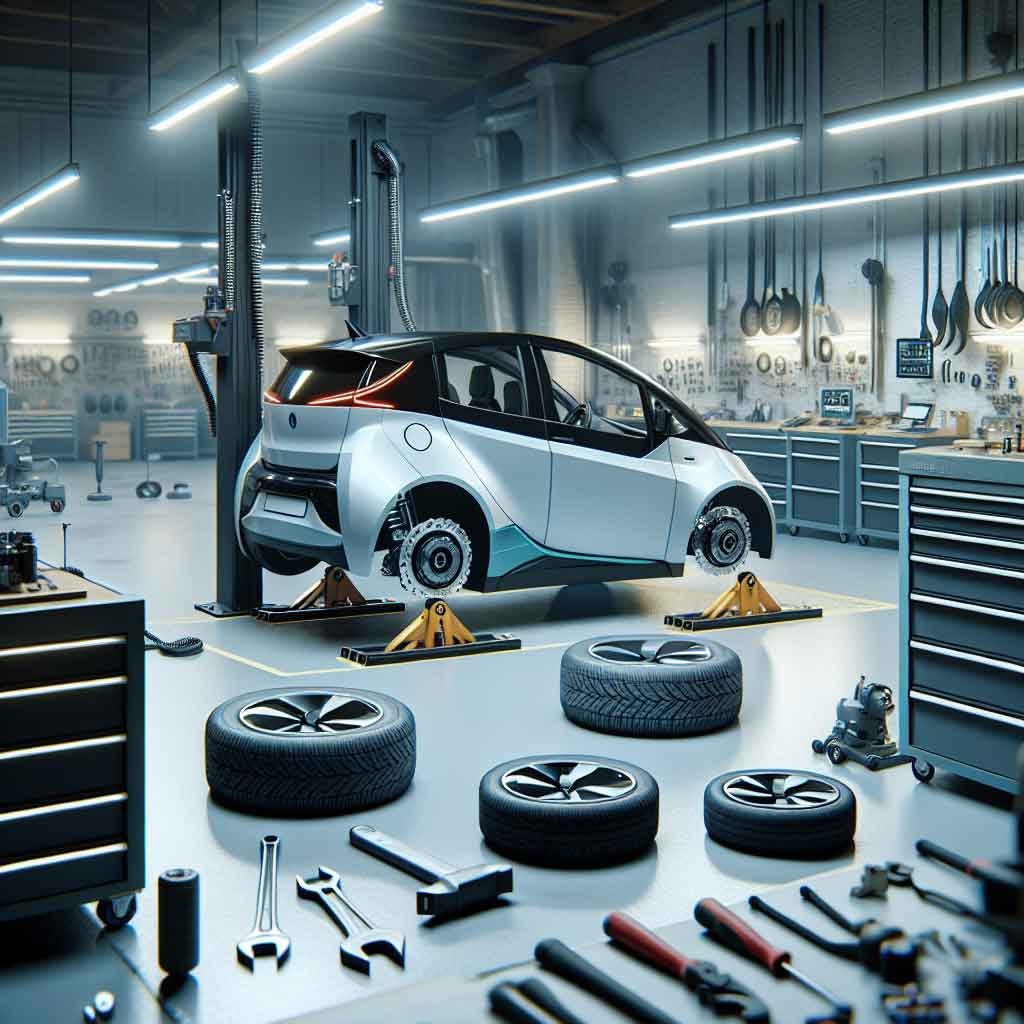
It is Tuesday, 24 March 2026, and the “Tradie Truth” across Australian workshops is undergoing a high-voltage identity crisis. If you’ve walked past your local mechanic recently, you might have noticed fewer oily rags and more diagnostic tablets. With petrol prices currently punishing the wallet at $2.40/L and the national EV market share hitting a record 12.2%, the way we maintain our cars has fundamentally shifted.
At EV evolution, we don’t just watch the cars; we watch the components. The transition from internal combustion to electric isn’t just a fuel switch—it’s a mechanical purge. In 2026, the concept of a “service” has been “Resolved” from a complex oily surgery to a high-fidelity digital health check.
The Truth: Why You’ll Never Buy a Fan Belt Again
For nearly a century, the serpentine belt (or fan belt) has been the unsung hero—and frequent villain—of the Australian engine bay. It squeals when it’s wet, cracks when it’s hot, and when it snaps on a remote “Outback Mission,” your power steering, alternator, and water pump die instantly.
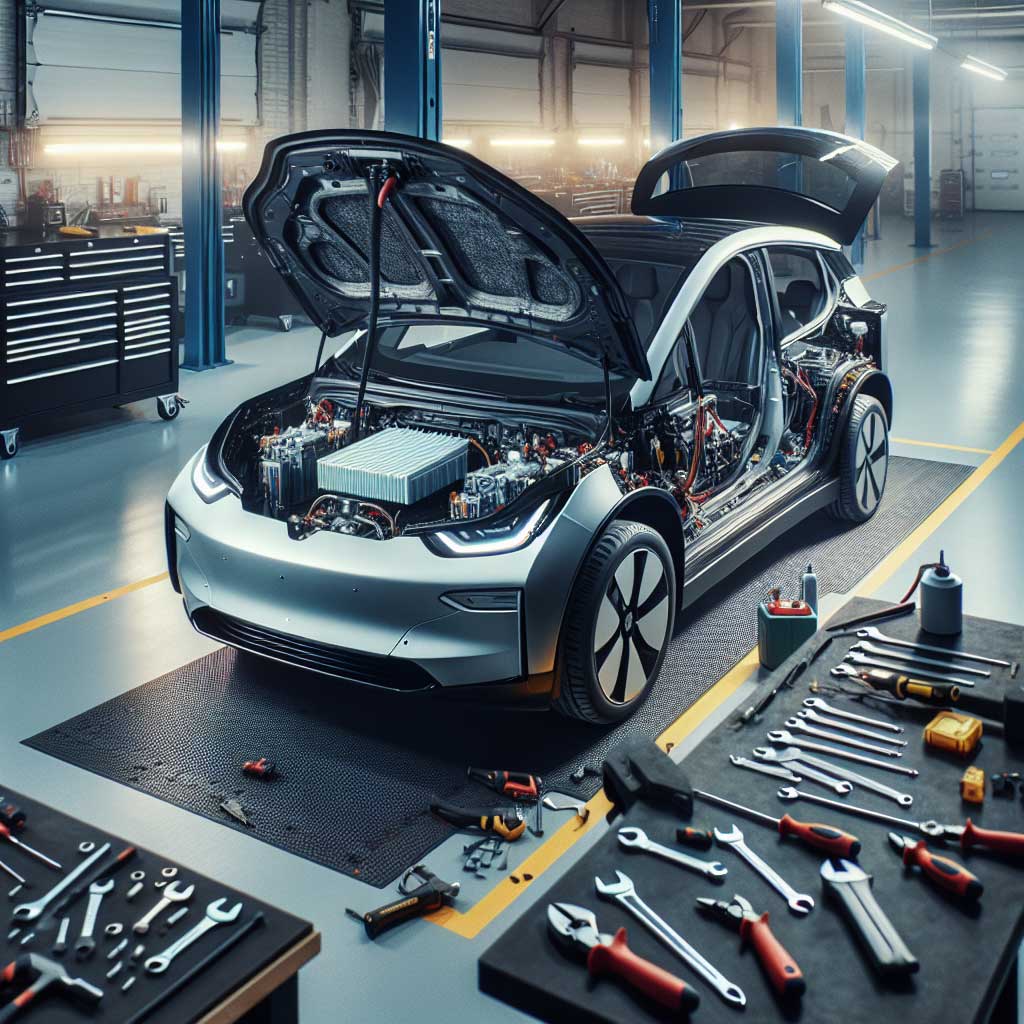
In the EV evolution, the fan belt is dead. Why? Because an EV powertrain has roughly 20 moving parts, compared to the 2,000+ found in a traditional internal combustion engine (ICE).
The High-Fidelity Breakdown of what you’ve deleted:
- No Fan Belts/Timing Belts: Electric motors are self-contained. There are no peripheral pulleys needing a rubber tether to stay alive.
- No Spark Plugs or Coils: No more “misfires” or $800 ignition system overhauls.
- No Oil Filters or Sumps: You will never again have to worry about an oil leak on your pristine driveway or a $250 “oil and filter” change every six months.
- No Exhaust System: Forget about rusted mufflers or failed oxygen sensors.
As noted on r/AustralianEV, the sentiment among new owners is one of pure relief. One user recently shared: “I’ve had my EV for three years now. My total maintenance cost? $129 for a two-year cabin filter swap and a software update. That’s it. No oily mess, no ‘unexpected’ repairs.”
Electric Car Service Intervals: The 2026 Landscape
In 2026, EV reliability is no longer a question—it’s a benchmark. However, not all manufacturers treat “service-free” the same way. The “New Guard” brands have split into two camps regarding electric car service intervals.
The “On-Demand” Camp (Tesla)
Tesla remains the high-fidelity leader in minimal maintenance. For a Tesla Model Y Juniper, there is no set annual service requirement to maintain your warranty.
- Intervals: “As needed.” The car’s AI monitors its own health and alerts you via the app.
- Reality: You’ll typically look at a cabin filter every 2 years, a HEPA filter every 3 years, and a brake fluid health check at the 4-year mark.
The “Fixed Schedule” Camp (BYD, Kia, Toyota)
Brands coming from a traditional background often stick to familiar schedules to keep their dealer networks (the “Old Guard”) supported.
- BYD Sealion 7: 12 months or 20,000 km.
- Kia EV9: Offered with prepaid plans (e.g., $706 for 3 years or $1,351 for 5 years).
- Toyota bZ4X: 12 months / 15,000 km at a capped $180 per visit.
While these intervals feel like a relic, they often include critical “high-fidelity” checks of the high-voltage battery casing and thermal management systems, which are vital for long-term EV reliability in the harsh Australian heat.
EV Maintenance Costs Australia: The Tyre Caveat
We promised Candor, so here is the “No-Filter” truth: while you save on oil, you will spend more on rubber. Data from early 2026 indicates that EV tyres wear 15% to 30% faster than ICE equivalents.
Why? It’s a combination of Weight (the battery pack) and Instant Torque. When you floor it at the lights in a BYD Sealion 7, you are putting massive stress on the tread. Furthermore, specialized EV tyres (like the Michelin Pilot Sport EV) are designed for low rolling resistance and noise reduction, often costing $350–$450 per corner.
Expertise Tip: To maximize your EV ROI Australia, rotate your tyres every 10,000km religiously. It’s the single most important “mechanical” task left in the 2026 car ownership experience.
Real-World Buzz: Reddit’s “Service-Free” Reality
The conversation on r/AustralianEV suggests that Aussies are “panic buying” EVs not just for the fuel savings, but to escape the rising cost of mechanical labour.
“With the cost of living crisis, I can’t afford a $1,200 ‘major service’ on my old SUV anymore. I’m picking up an EV today because the lease is $150/week—less than my old petrol bill—and I know my only ‘maintenance’ for the next three years is basically wiper fluid.” — FoodIsTastyInMyMouth, Reddit.
However, some users on r/EVAustralia are wary of the “New Guard” tech, specifically around long-term software support for brands like Chery or Jaecoo. This is where E-E-A-T matters: stick to brands with a proven Australian track record if long-term software reliability is your priority.
EV Fuel Savings Calculator: The 5-Year Math
When you stack EV maintenance costs Australia against a petrol equivalent, the gap is “Resolved.”
- ICE (e.g., Hyundai Kona): ~$2,760 in servicing over 5 years.
- EV (e.g., BYD Atto 3): ~$1,590 in servicing over 5 years.
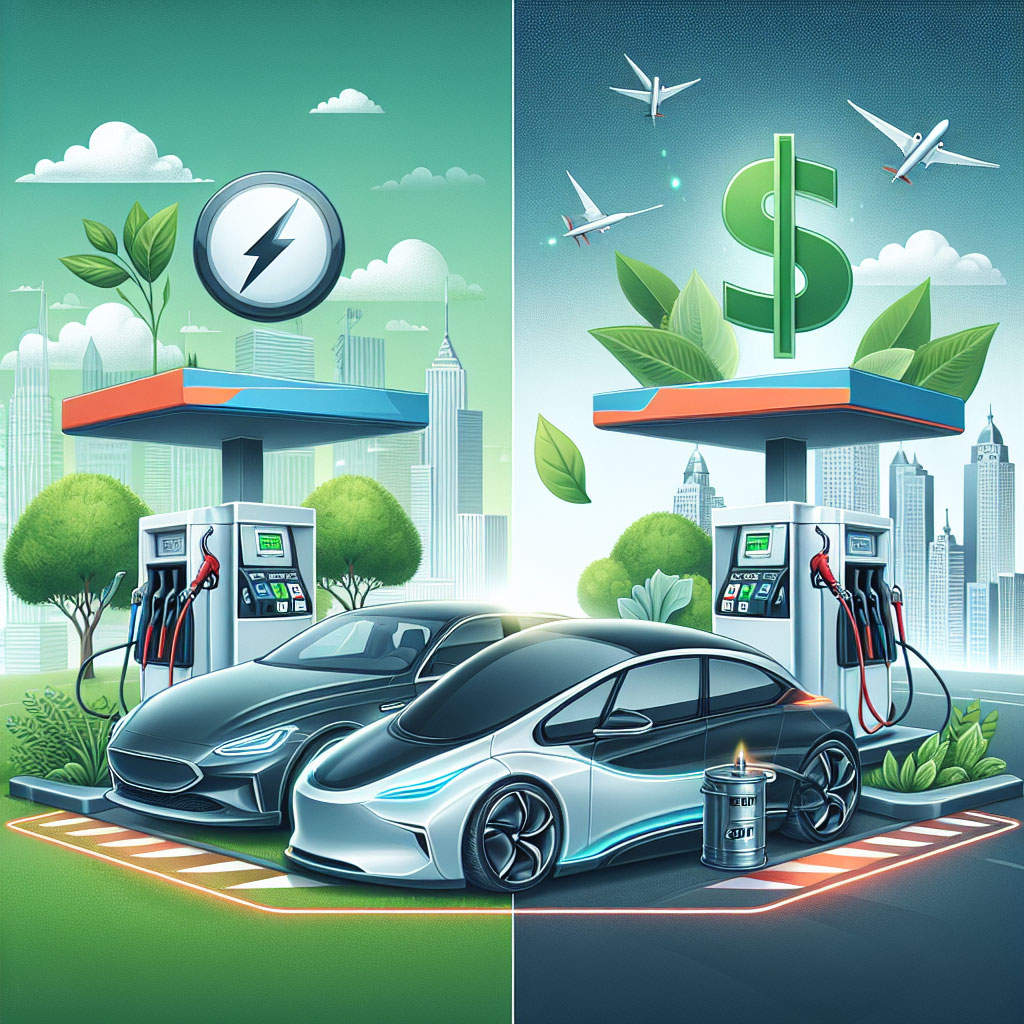
- Net Saving: $1,170 in the workshop, plus an average of $6,200 in fuel savings (based on $2.40/L).
Total 5-year benefit? Over $7,300 back in your pocket.
FAQ: People Also Ask
Q: Do EVs need specialized mechanics in Sydney and Melbourne?
A: In 2026, most major urban centres have “EV-Certified” workshops. While you don’t need a traditional mechanic for an oil change, you do need technicians trained in high-voltage safety for anything involving the drivetrain or battery.
Q: How long does an EV battery actually last in Australia?
A: Most 2026 models come with an 8-year / 160,000km warranty that guarantees at least 70% capacity. Real-world data shows many Tesla and BYD batteries are still at 90% health after 200,000km, making them more reliable than many ICE gearboxes.
Q; What happens if my EV breaks down in regional NSW?
A: Manufacturers like Tesla now offer 5 years of 24/7 roadside assistance in Australia, including “Flat Tyre Support” where tow operators carry loaner wheels to get you back on the road instantly.
Q: Is it true that EV brakes last longer?
A: Yes. Thanks to Regenerative Braking, the electric motor does 90% of the slowing down. It’s not uncommon for an EV to reach 100,000km on its original set of brake pads, a massive “Sustainability Hack” for your wallet.
🤖 Start Your Evolution with the AI Agent
Are you still worried about “hidden” costs or whether the Tesla Model Y Juniper or Kia EV9 is truly “service-free”?
Don’t leave your 15,000km mission to guesswork—start a conversation with our EV evolution AI Agent now. Our AI is updated in real-time with the latest EV maintenance costs Australia data, workshop reviews, and the “no-filter” truth from the threads. You can ask:
- “Compare the 7-year service costs of a Kia EV9 vs a Tesla Model Y.”
- “Which best electric car 2026 has the longest service intervals?”
- “Calculate my Total Cost of Ownership if I switch to an EV this year.”
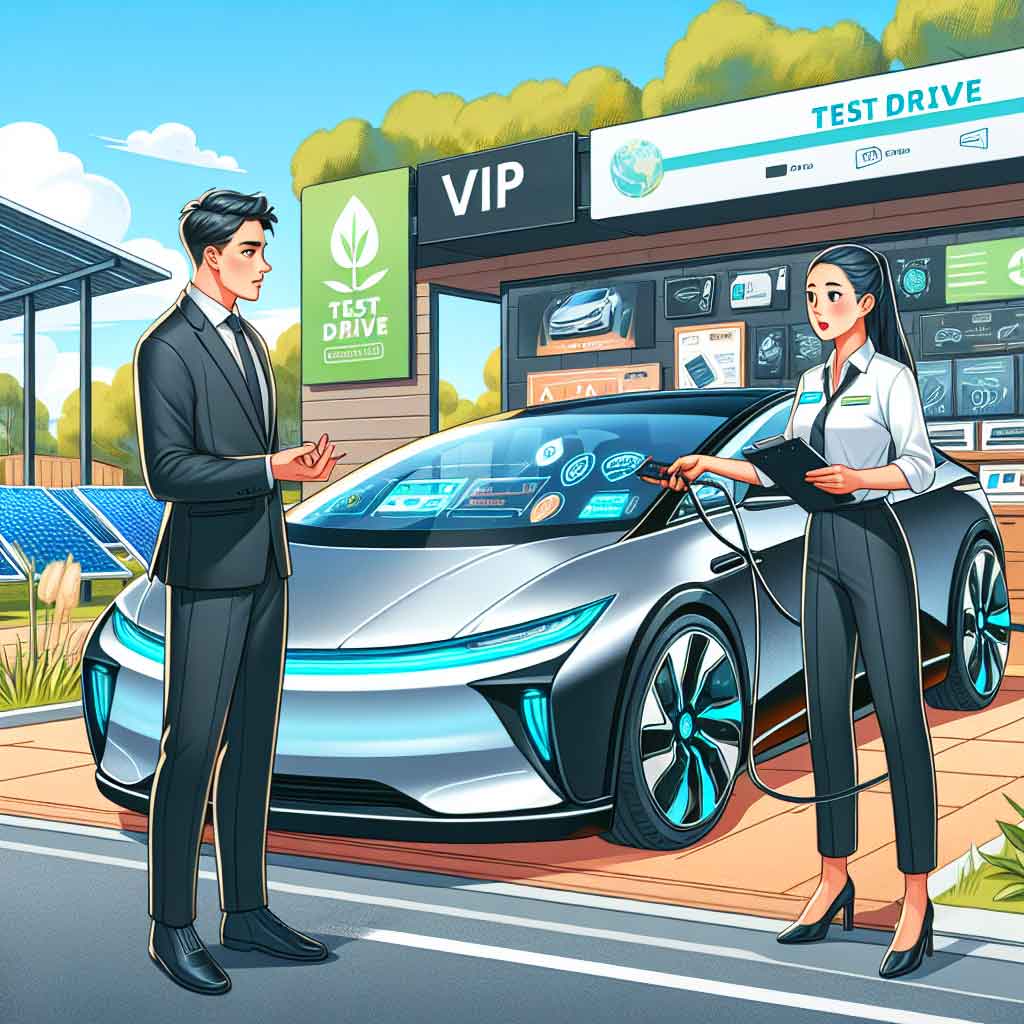
- “I’m ready for a maintenance-free life—request a VIP Test Drive for a 2026 model.”
Request Your VIP Test Drive
Reading about “Service-Free” is one thing—feeling the silent, high-fidelity precision of a car that doesn’t need an oil change is another. Through our AI Agent, you can request a VIP Test Drive. We’ll skip the showroom fluff and get you behind the wheel of a Resolved future.
About EV Evolution
EV evolution is Australia’s AI-powered hub for the modern driver. Through our signature EV Strategy Suite—including the EV Vibe Check and our real-time AI Agent—we provide the transparent, fact-based data you need to navigate the electric transition with total confidence. Our mission is to empower every Aussie to trade the petrol pump for a plug with zero guesswork and high-fidelity precision.