



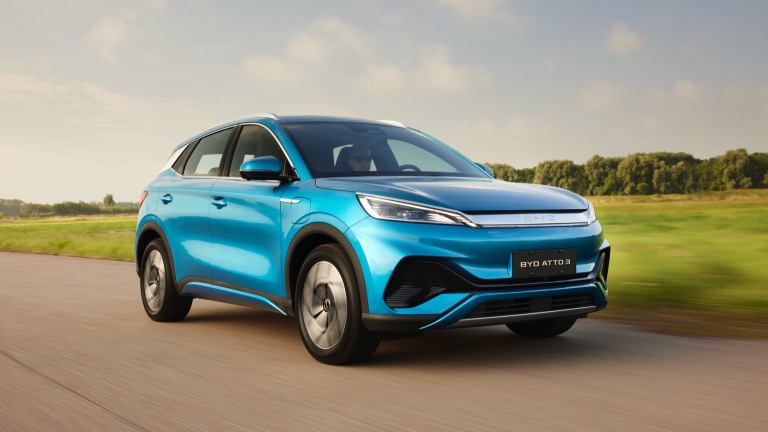
When we bought a BYD Atto 3 Extended Range 12 months ago, it was a deliberate experiment: could an affordable, Chinese-built electric vehicle really shoulder the day-to-day and the unexpected that comes with regional Australian life? No press-car polish, no concierge charging – just real driving from a property an hour out of a regional centre, frequent 100-110 km/h open-road runs, and the occasional unsealed track to the farm gate.
Twelve months, several interstate trips and countless corrugated roads later, here’s a clear-eyed, practical assessment for Australians considering an Atto 3 outside the capital-city bubble.
Real-world range: what to expect on long runs
BYD’s Extended Range Atto 3 carries a WLTP claim of up to 420 km – an attractive headline for the price. In everyday suburban use, especially with plenty of regenerative braking, you can approach those numbers. But regional driving is a different animal.
Our numbers from a year of mixed driving:
- City / suburban stop-start: roughly 380-410 km.
- Steady 100 km/h highway driving: around 350-370 km.
- Sustained 110 km/h (common on regional highways): closer to 300-330 km.
That 300-330 km figure is the practical limiter for many regional trips. It means planning your route around available fast chargers or accepting longer charging buffers between stops. The Atto 3’s LFP (Blade) chemistry is worth highlighting: LFP batteries are durable, show slower degradation and tolerate regular 100 per cent top-ups far better than many NMC packs. For regional drivers this offers psychological comfort – topping to full overnight at home is a sensible habit, giving you maximum buffer for the next day.
Charging in the regions: the infrastructure reality
Long-distance EV driving in Australia is increasingly viable, but it remains infrastructure-dependent. Regional fast chargers are proliferating, led by networks such as Chargefox and evie, local council initiatives, and private operators. That said, you’re still far more likely to encounter 50-150 kW chargers outside major corridors than the 350 kW ultra-rapids you might see on the busiest routes.
The BYD Atto 3’s DC charging behaviour matters here. It will typically peak at around 80 kW under ideal conditions, so plugging into a 150 kW unit won’t speed things up past the car’s ceiling. Practical charging experience:
- Home charging: about 90% of our charging happens overnight on a single-phase home unit. It’s cheap, reliable and usually all you need for day-to-day driving.
- Road-trip stops: a 20-80% battery top-up typically takes 35-40 minutes in real settings – long enough to grab coffee and stretch your legs, but plan for it. Expect longer if the charger is lower-powered or if the battery is already warm or cold.
- App juggling: you’ll likely use multiple apps (Chargefox, evie, PlugShare plus others) to find and activate chargers. In-car mapping is improving, but we still rely heavily on Apple CarPlay / Android Auto for navigation and separate charging apps for reliability.
On the ground: rough roads, ride comfort and noise
The Atto 3 is fundamentally a comfort-focused compact SUV, not a hardcore off-roader. Still, it surprised us on typical regional surfaces.
On sealed regional highways the Atto 3 is composed and predictable. The electric powertrain’s instant torque is genuinely useful for overtaking on country roads, making short, safe bursts to pass slower heavy vehicles. Road noise on coarse-chip regional asphalt is noticeable – you feel the value gap compared with pricier rivals. A tyre upgrade to a premium all-season or touring tyre makes a measurable difference in both noise and grip, and many owners report improvements after swapping the factory fitment.
On unsealed roads the Atto 3 is more capable than you might expect. Ground clearance and suspension tune soak up corrugations and gravel better than we assumed; for most farmers and lifestyle-block owners it will be fine. But there are limitations: rocky tracks with deep ruts, muddy climbs and sustained off-road work push beyond the crossover’s remit.
The single biggest regional shortfall is the lack of a factory spare wheel. The supplied tyre repair kit is adequate for minor punctures in town but of limited use if a sidewall is sliced 50-100 km from help. If you live or drive in remote areas, fit a full-size spare (and a way to carry it), plus a portable compressor, puncture repair tools and a decent mobile phone battery pack.
Cabin life: tech, comfort and software maturity
After a year the interior still impresses for value. The 15.6-inch rotating touchscreen is a practical feature and remains clear and responsive; the seats are comfortable for long stints on the highway. The panoramic roof keeps the cabin feeling airy on long days of driving
Software remains BYD’s mixed bag. Over-the-air updates have addressed many early quirks, but the built-in navigation and charging point integration are still behind the best systems in premium rivals. In practice we use Apple CarPlay / Android Auto for routing and third-party apps for charger reliability. Expect the software to get better with time, but plan to rely on phones for critical trip planning today.
Practical ownership considerations
- Servicing and dealer network: BYD’s dealer footprint expanded rapidly through 2022-24, improving access to warranty work and diagnostics. If you live very remotely, factor in occasional longer trips to service centres.
- Battery health: LFP chemistry is inherently robust; you can safely use DC charging and top to 100% without the same degradation fears as other chemistries. Still, avoid habitual high-rate charging as a matter of general battery care.
- Towing and payload: the Atto 3 isn’t designed for heavy towing. If you need to tow trailers or boats routinely, check BYD’s official towing rating for your spec and consider a vehicle built for that purpose.
- Roadside assistance and insurance: if you’re in the regions, make sure your roadside assistance covers EV-specific recovery and charging options. Memberships like NRMA (NSW), RACQ (Qld), RACV (Vic) and equivalent state clubs can make a real difference.
Verdict: is the Atto 3 a viable regional commuter?
Yes – with caveats. For buyers outside major cities who value low running costs, a comfortable ride, and strong value for money, the BYD Atto 3 is one of the most compelling choices in its price bracket. It handles regional sealed and unsealed roads better than many expected, and its LFP battery brings long-term peace of mind.
However, plan carefully. Real-world highway range is closer to 300 km at sustained speeds, charging infrastructure in more remote areas still requires route planning and multiple apps, and a lack of a full-size spare is a real issue for isolated drivers. For most regional owners, sensible upgrades (spare wheel, better tyres, portable compressor) and disciplined route planning transform the Atto 3 from “possible” to “practical.”
Conclusion
The BYD Atto 3 is not a cure-all for regional motoring, but it is a credible and cost-effective step into electric driving outside the big cities. Its strengths – solid efficiency, a robust LFP battery and a comfortable package – pair well with the reality that most regional EV driving is done from home, where overnight charging makes the whole system work. If you’re prepared to fit a spare, plan charging stops and accept a modest highway range penalty at higher speeds, the Atto 3 is a pragmatic and forward-looking choice for Australians living and working beyond the urban sprawl
Frequently asked questions
How far will the BYD Atto 3 actually go on a full charge in regional driving?
Expect about 300-330 km at sustained 110 km/h; 350-370 km at a steady 100 km/h; and around 380-410 km in mixed urban/suburban use. Variables include tyre choice, load, air conditioning use and ambient temperature.
How long does a typical DC charging stop take on regional chargers?
Real-world 20-80% top-ups commonly take 35-40 minutes on regional chargers, depending on charger power and battery temperature. Because the Atto 3 typically peaks around ~80 kW, plugging into higher-rated chargers won’t always shorten that time.
Is the Atto 3 suitable for unsealed and farm tracks?
For most light unsealed roads and access tracks, yes – the Atto 3 handles corrugations and gravel reasonably well. It’s not a 4×4 and will struggle with very rough, rocky or muddy conditions. Fit a spare tyre if you frequently use remote tracks.
Should I worry about battery degradation?
Less than with many other chemistries. The Atto 3’s LFP (Blade) battery is more tolerant of frequent full charging and has shown slower degradation in real-world usage. Still, sensible charging habits help longevity.
What accessories should regional owners prioritise?
Full-size spare wheel, portable tyre inflator, puncture repair kit (as backup), quality tyres suited to your roads, and a reliable phone mount and power bank. Also ensure you have a few charging apps downloaded and a membership or credits for the networks you’ll use.
If I live regionally, is the Atto 3 the best EV choice?
It’s one of the best value propositions for regional buyers, but the “best” choice depends on needs: if you tow heavily or need true off-road capability, consider a vehicle designed for that. For everyday regional commuting, light rural use and intercity trips with planning, the Atto 3 is a strong, affordable option.
About EV Evolution
EV Evolution is the leading online platform dedicated to Australian electric vehicle owners and enthusiasts. We foster a vibrant community, delivering essential EV news and insights, and enhancing user engagement through our innovative, AI-powered chatbot for dynamic discussions. Our mission is to empower Australian electric vehicle owners and enthusiasts by fostering a vibrant, AI-driven online community that connects, informs, and advances the nation’s electric vehicle landscape.
