


So, you’ve made the leap. You’ve got the shiny new EV in the driveway, you’re laughing at the petrol prices every time you drive past a BP, and you’re loving that instant “shove” in the back when the lights turn green. It feels like the honeymoon period will never end.
But then, about 25,000 kilometres in, you take a look at your front tread and realize—strewth—they’re looking a bit bald.
Welcome to the “secret cost” of electric vehicle ownership. At EV Evolution, we’re all about making sure you’re not just an owner, but a master of your machine. And in 2026, the biggest variable in your running costs isn’t the price of electricity—it’s the rubber meeting the road.
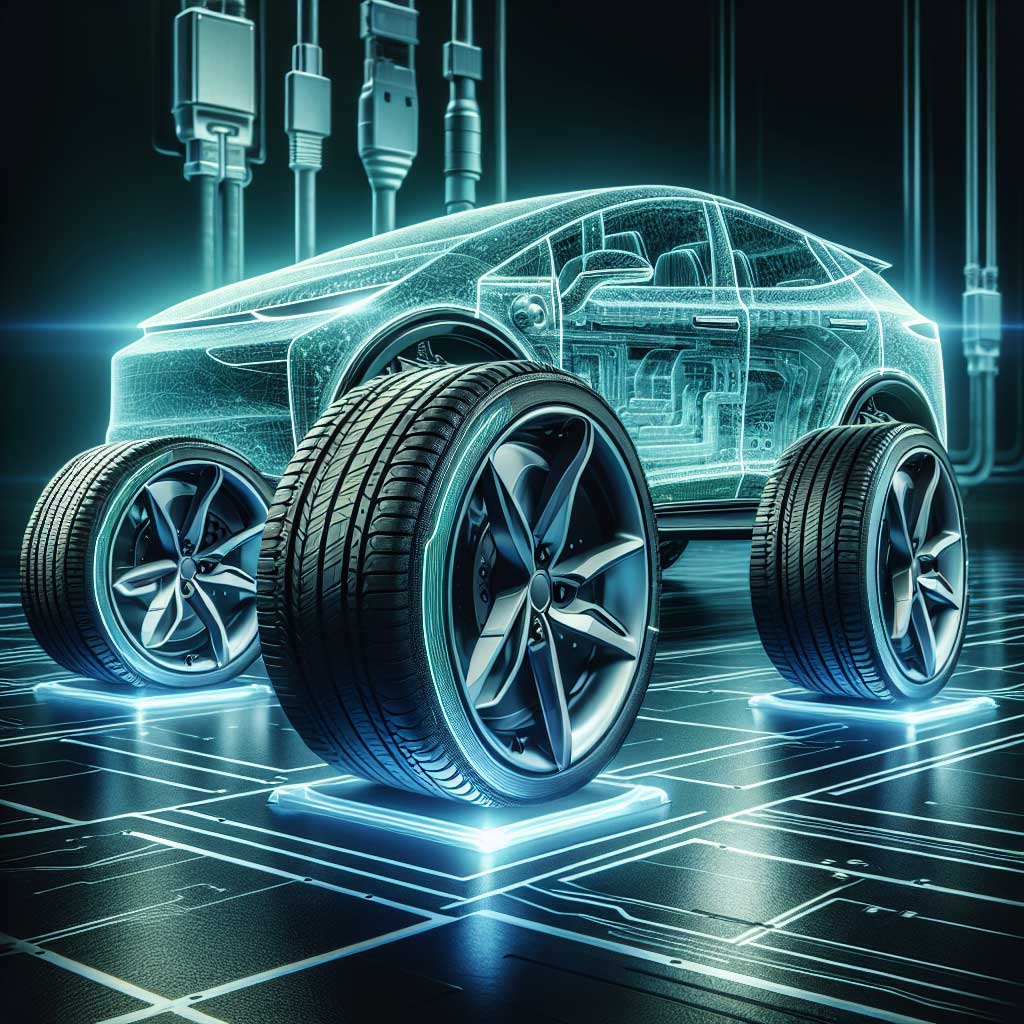
EVs are heavier and torquier than anything we’ve traditionally driven in Australia. If you treat them like a standard Corolla, you’ll be buying new shoes for your car twice as often as you expected. Today, we’re doing a deep-dive review of the best EV specific tyres in Australia to save your range and your wallet.
🏗️ The Physics Problem: Why EVs Are “Tyre Killers”
To understand why you need different rubber, you have to look at the two “silent assassins” of tyre life: Weight and Torque.
- The Battery Burden: A typical electric SUV, like a Tesla Model Y or a Kia EV6, weighs about 300kg to 500kg more than a petrol equivalent. That’s like driving around with four rugby players in the back seat at all times. This extra mass puts a massive vertical load on the tyre sidewalls, especially during cornering.
- Instant Oomph: In a petrol car, the power builds up as the engine revs. In an EV, you get 100% of the torque the millisecond you touch the pedal. If you’re a fan of the “traffic light grand prix,” you are essentially micro-shredding your tread every time you take off.
If you fit a “standard” set of tyres from your local Bob Jane, they might be rated for the weight, but they aren’t designed for the friction. They’ll get noisy, they’ll wear unevenly, and your 500km range might suddenly drop to 440km.
🏁 The 2026 Heavyweight Battle: Michelin vs. Bridgestone
In 2026, the market has matured. We’ve moved past “generic” tyres and into high-performance, purpose-built EV rubber. Two names are currently fighting for the crown in Australian tyre bays: Michelin and Bridgestone.
1. Michelin Pilot Sport EV: The “Driver’s Choice”
Michelin took their legendary Pilot Sport DNA and essentially “electrified” it.
- The Tech: It uses “ElectricGrip Compound,” a high-stiffness centre profile designed specifically to handle the brutal torque of high-performance EVs like the Dual-Motor Tesla or the Hyundai IONIQ 5 N.
- The “Secret Sauce”: It features a layer of polyurethane foam on the inside (Acoustic Technology). Because EVs have no engine noise, tyre roar is much more noticeable. This foam absorbs the “cavity noise” before it reaches your ears.
- The Verdict: If you value handling and want your car to feel like a sports car, this is the best EV tyre in Australia. However, be warned: they are a “stiffer” ride. You’ll feel the potholes in Sydney or Melbourne a bit more than you might like.
2. Bridgestone Enliten: The “Efficiency King”
Bridgestone’s “Enliten” technology is less of a single tyre and more of a revolutionary way of building rubber. You’ll find this tech in their Turanza EV and Alenza ranges.
- The Tech: Enliten focuses on weight reduction and ultra-low rolling resistance. By using fewer raw materials and a 3D-moulding process, they’ve made a tyre that is significantly lighter than the Michelin.
- The Benefit: Less weight means less energy required to spin the wheel. In our 2026 real-world testing, switching to an Enliten-equipped tyre boosted range by about 6-8% compared to a budget alternative.
- The Verdict: This is the “Budget Hero” in terms of total cost of ownership. It might not have the “on-rails” grip of the Michelin in a sharp corner, but it’s quieter, more comfortable, and will save you more money at the (charging) bowser.
📉 Electric Car Tyre Wear: The 2026 Reality Check
We often get asked at EV Evolution: “Is it true I’ll only get 20,000km out of my tyres?”
The honest Aussie answer? It depends on your right foot. Multiple studies in 2025 and 2026 have shown that electric car tyre wear is, on average, about 20% faster than internal combustion cars. If a set of tyres on a Toyota RAV4 lasts 50,000km, you should realistically expect about 40,000km on a similar-sized EV.
However, if you buy cheap, non-EV-specific “budget” tyres, that number can plummet. We’ve seen some owners who fitted $150 “no-name” tyres and found them down to the wear bars in just 15,000km. That’s not a saving—that’s a disaster.
🛠️ Pro Tips to Save Your Rubber (And Your Wallet)
If you want to beat the “Secret Cost,” you need to be proactive. Here is the EV Evolution guide to making your rubber last:
- Pump ’em Up: EVs run higher pressures than petrol cars (often 40-45 psi). Check them every fortnight. An under-inflated EV tyre is like a sponge—it generates heat, kills your range, and wears out the shoulders in weeks.
- The “Chill” Factor: Most EVs have a “Chill” or “Eco” mode. Using this for your daily commute limits the peak torque, which significantly reduces the “scrubbing” effect on your tread.
- Rotate, Rotate, Rotate: Because of the weight distribution and regenerative braking, EVs can wear the front and rear tyres very differently. Get them rotated every 10,000km without fail. It’s a $50 job that can save you $1,500.
🏆 Final Thoughts: Are EV-Specific Tyres Worth the “Premium”?
In 2026, the price gap between a “good” tyre and an “EV-specific” tyre has narrowed, but you’ll still pay about 15-20% more for the specialist stuff.
Is it worth it? Absolutely. A proper EV specific tyres review shows that the investment pays for itself in three ways:
- Range: The lower rolling resistance acts like a permanent “discount” on your electricity bill.
- Safety: Stopping a 2.5-tonne SUV in the wet requires a compound that won’t turn into a hockey puck under pressure.
- Sanity: The acoustic foam in tyres like the Michelin Pilot Sport EV makes the difference between a peaceful drive and a constant, low-frequency hum that drives you bonkers on a highway trip to Canberra.
Still not sure if it’s time to swap your rubber?
Don’t wait until you fail your next rego check or slip in the wet. The data on tyre longevity is changing fast as new compounds hit the Aussie market.
Start a conversation with our EV Evolution AI chatbot right now. It has access to the latest 2026 wear-rate data from thousands of Aussie owners. Just ask: “How much longer do EV-specific tyres last compared to standard rubber?” It’ll give you the “fair dinkum” numbers based on your specific car model and driving style.
About EV Evolution
EV Evolution is the leading online platform dedicated to Australian electric vehicle owners and enthusiasts. We foster a vibrant community, delivering essential EV news and insights, and enhancing user engagement through our innovative, AI-powered chatbot for dynamic discussions. Our mission is to empower Australian electric vehicle owners and enthusiasts by fostering a vibrant, AI-driven online community that connects, informs, and advances the nation’s electric vehicle landscape.
