


We love electric vehicles. We live and breathe them. The silence, the tech, the feeling of never visiting a petrol station again—it’s addictive. But at EV Evolution, we believe that an informed owner is a happy owner. And being informed means talking about the stuff the glossy brochures usually skip.
You already know you’re going to save a fortune on fuel. You know you’ll never pay for an oil change, a timing belt, or a set of spark plugs ever again. But money still leaves your wallet in an EV, just in different ways.
Specifically? Rubber and Risk.
If you are switching from a trusty Toyota RAV4 or Mazda CX-5 to a Tesla Model Y or BYD Atto 3, you need to be prepared for the two “hidden” costs that can catch new owners off guard: tyres and insurance.
1. The Rubber Reality: Why EVs “Eat” Tyres
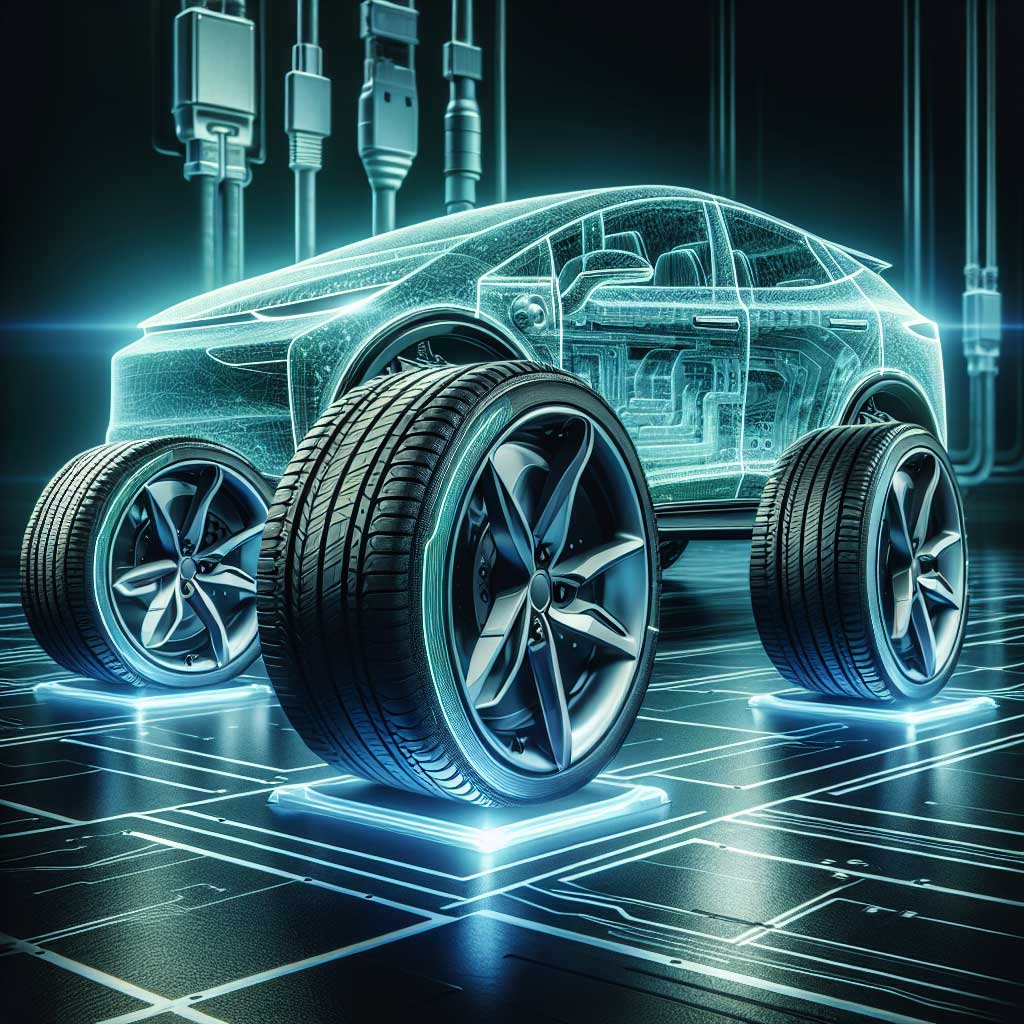
There is a myth that EVs are “maintenance-free.” While that is true for the engine, it is definitely not true for the wheels. In fact, industry data suggests Australian EV drivers might be replacing their tyres 20% to 50% sooner than they did in their petrol cars.
Why? It comes down to physics.
The Weight Penalty
Batteries are heavy. A Tesla Model Y weighs nearly 2,000kg. A comparable petrol SUV might weigh 1,500kg. That is an extra 500kg—effectively a grand piano—that your tyres have to carry around every single day. That extra load grinds the tread down faster, especially during cornering.
The Torque Factor
This is the fun part, but it costs you. In a petrol car, power builds up slowly. In an EV, you get 100% of your torque instantly.
Every time you take off from a traffic light—even if you aren’t trying to race—the electric motor delivers a micro-skid of power to the road. It feels fantastic, but it acts like sandpaper on your tyre tread.
The “EV Tax” on Tyre Prices
You can’t just slap cheap rubber on an EV. You generally need specialized tyres (often marked with “TO” for Tesla Original, or “EV” markings). These tyres have:
- Higher Load Ratings: Reinforced sidewalls to handle the battery weight.
- Acoustic Foam: A layer of foam inside the tyre to dampen road noise (because without an engine, tyre roar is much louder).
- Low Rolling Resistance: To maximize your range.
The Cost Difference:
In 2025, a premium 19-inch tyre for a Tesla Model Y (like a Michelin Pilot Sport EV or Hankook ion) can easily cost $450 – $550 per corner.
Compare that to a standard 17-inch or 18-inch tyre for a Toyota RAV4, which might cost $250 – $350.
The Takeaway: You might be spending $2,000 on a set of tyres every 30,000 – 40,000km, rather than every 50,000 – 60,000km.
2. The Insurance Sting
The second surprise often comes when the renewal notice lands in your inbox.
According to recent 2024-2025 data from Australian comparison sites, insuring an electric vehicle can cost anywhere from 20% to 60% more than a comparable petrol car.
For example, while a typical comprehensive policy for a petrol mid-size SUV might hover around $1,500 – $1,800 per year, a Tesla Model Y or Kia EV6 owner in a similar demographic often looks at premiums between $2,500 and $3,200.
Why is it so pricey?
It isn’t because EVs are more dangerous (they are actually some of the safest cars on the road). It’s about the repair ecosystem:
- Parts are imported: Most EV parts have to be shipped from overseas, leading to longer rental car periods while you wait.
- Specialised Labour: Not every panel beater can fix an EV. High-voltage systems require certified technicians, and there is currently a skills shortage in Australia. That expertise commands a higher hourly rate.
- Write-off Risk: If a battery pack is even slightly damaged in a crash, insurers often have to write off the entire car because battery repair standards are so strict.
EV Evolution Angle: Is It Still Worth It?
Absolutely.
We aren’t telling you this to scare you off. We’re telling you this so you can budget accurately.
Here is the “EV Evolution Angle”: You have to look at the Total Cost of Ownership (TCO), not just individual bills.
Yes, you might pay an extra $1,000 a year on insurance and tyres combined.
BUT:
- You are likely saving $2,000 – $3,000 a year on fuel (depending on your mileage and solar charging).
- You are saving $300 – $500 a year on general servicing (no oil, filters, transmission fluids).
The math still wins in favour of the EV, but the nature of the spending shifts. You stop paying the petrol station weekly, and instead, you pay the tyre shop and the insurer annually.
How to Mitigate the Costs
- Drive Smoothly: Resist the urge to floor it at every green light. Your tyres will thank you.
- Check Pressures Monthly: Heavy EVs are very sensitive to tyre pressure. Under-inflation destroys EV tyres rapidly.
- Shop Around for Insurance: Some Australian insurers (like NRMA, AAMI, and specialized EV insurers) are starting to adjust their algorithms as they get more data. Loyalty doesn’t pay—get new quotes every year.
🤖 Want the Real Numbers? Just Ask.
General advice is great, but your bank account needs specifics.
Are you wondering exactly how much a set of tyres will cost for the specific EV you are looking at? Or maybe you want to know which insurer is currently offering the best EV deals in your state?
Stop guessing and start chatting.
Our EV Evolution AI-Powered Chatbot has access to the latest Australian pricing data. It can run a direct comparison for you in seconds.
Try asking the AI this right now:
“What is the estimated tyre replacement cost for a Tesla Model Y vs. a Toyota RAV4 in Australia?”
“Who are the best insurers for electric vehicles in NSW right now?”
Click the chat icon in the bottom corner to get the honest, up-to-date numbers you need to buy with confidence.
Knowledge is power. Drive smarter.
About EV Evolution
EV Evolution is the leading online platform dedicated to Australian electric vehicle owners and enthusiasts. We foster a vibrant community, delivering essential EV news and insights, and enhancing user engagement through our innovative, AI-powered chatbot for dynamic discussions. Our mission is to empower Australian electric vehicle owners and enthusiasts by fostering a vibrant, AI-driven online community that connects, informs, and advances the nation’s electric vehicle landscape.